
Prevent Your Basement from Flooding This Thunderstorm Season
How to Prevent Your Basement from Flooding This Thunderstorm Season
-Holbrook, NY
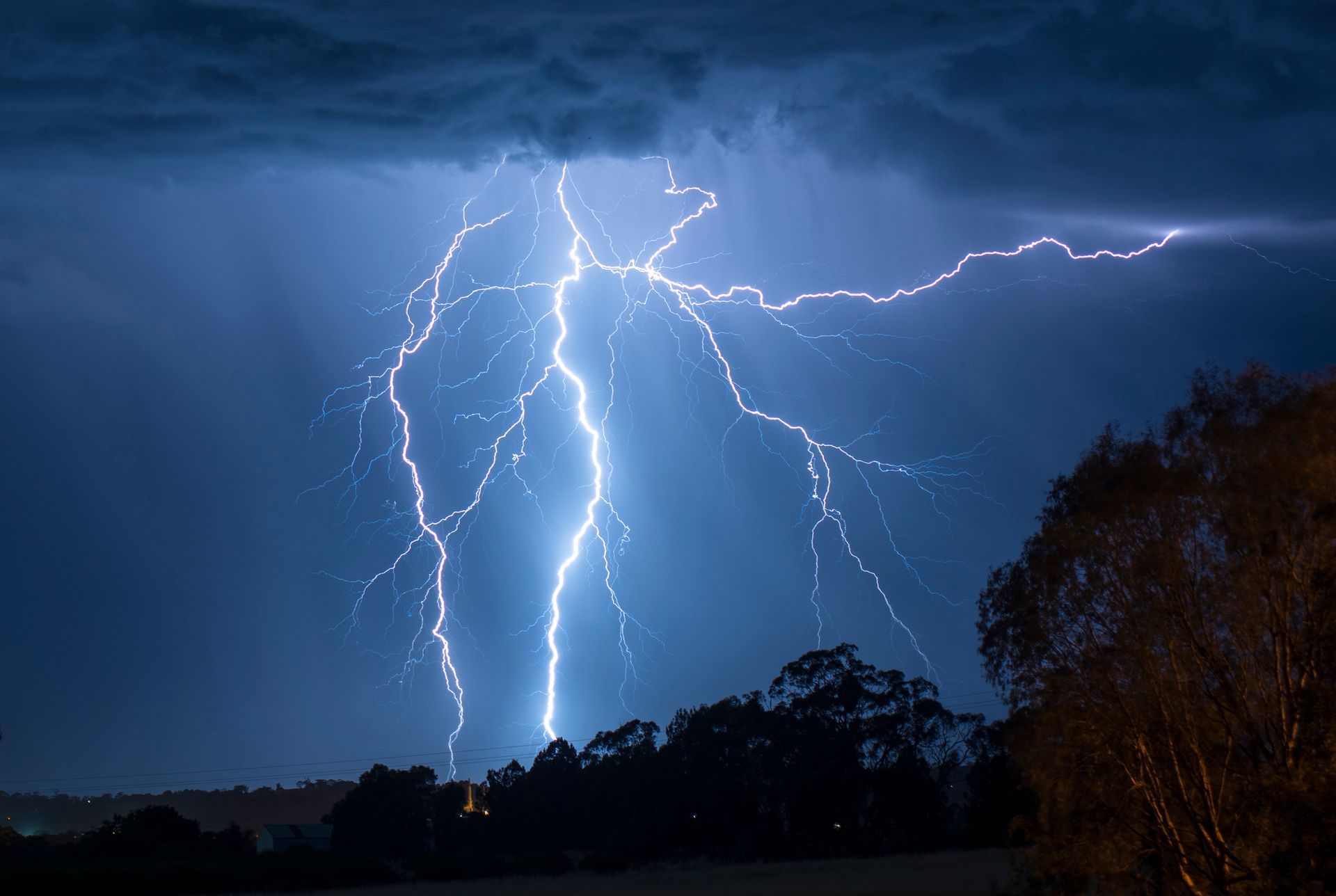
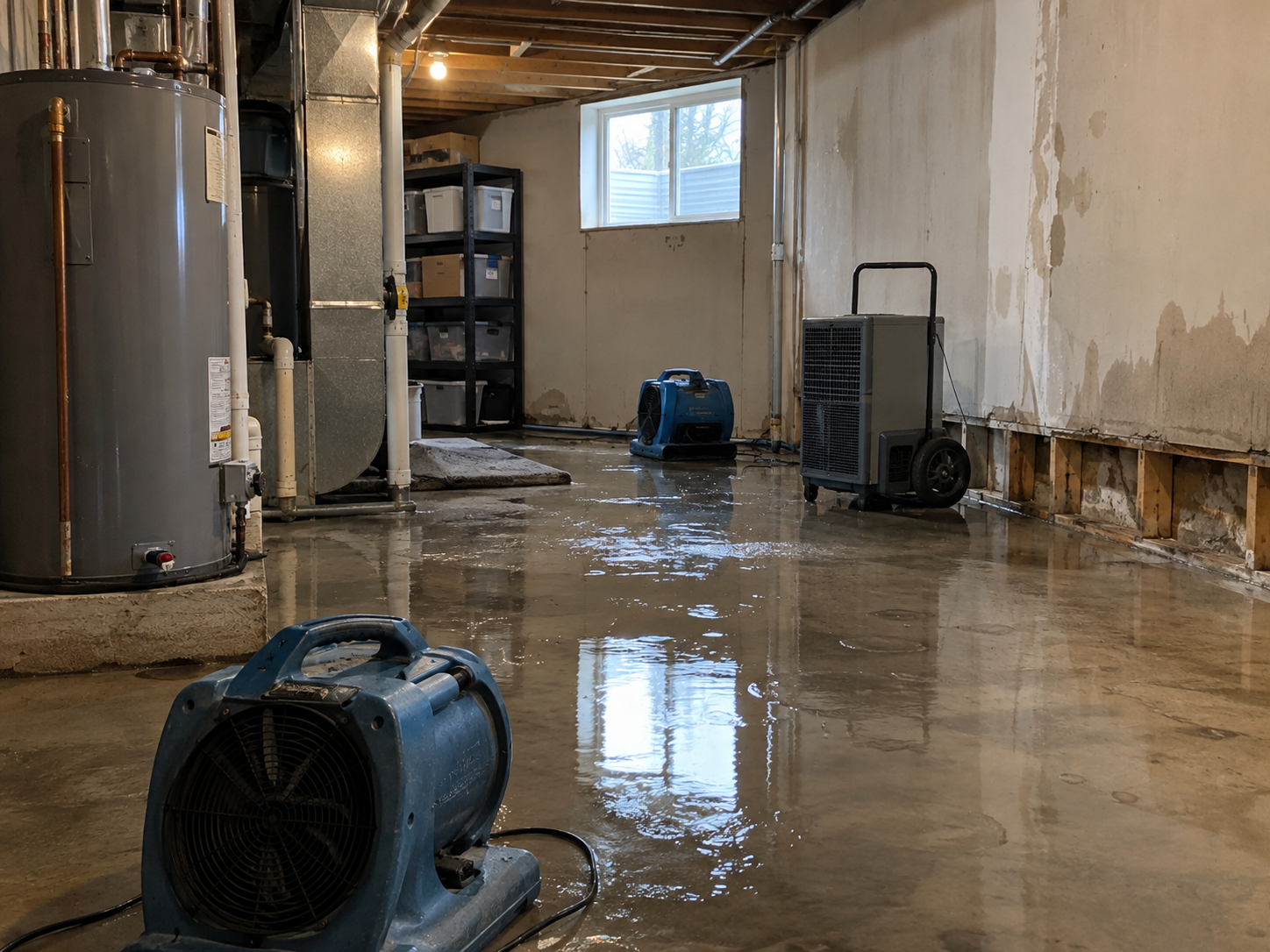
Thunderstorm season is upon us, bringing with it the potential for heavy rains and flash floods. One of the most vulnerable areas of your home during this time is the basement. Flooding in the basement can cause extensive damage to your property and belongings, and it can be costly to repair. However, with the right precautions, you can significantly reduce the risk of basement flooding. Here are some essential tips to help you keep your basement dry this thunderstorm season.
1. Maintain Your Gutters and Downspouts
Clogged gutters and downspouts are a common cause of basement flooding. When they are blocked, rainwater can overflow and pool around your home’s foundation. To prevent this:
- Clean Gutters Regularly: Remove leaves, twigs, and other debris from your gutters at least twice a year, especially before the storm season.
- Check Downspouts: Ensure that downspouts are directing water at least 6 feet away from your home’s foundation. Consider using downspout extensions if necessary.
- Install Gutter Guards: Gutter guards can help keep debris out of your gutters, reducing the frequency of cleanings.
2. Inspect and Repair Foundation Cracks
Even small cracks in your home’s foundation can allow water to seep into your basement during heavy rains. Regular inspection and timely repairs are crucial:
- Inspect Foundation: Look for visible cracks or signs of water seepage in your basement walls and floor.
- Seal Cracks: Use a high-quality sealant or hydraulic cement to fill any cracks you find.
- Consult Professionals: For larger or more severe cracks, consider hiring a professional to assess and repair the damage.
3. Install a Sump Pump
A sump pump is a critical tool for preventing basement flooding. It works by automatically pumping out water that accumulates in a sump basin, usually located in the basement:
- Install a Sump Pump: If you don’t already have one, consider installing a sump pump, especially if your basement is prone to flooding.
- Regular Maintenance: Test your sump pump regularly to ensure it’s working correctly. Clean the sump basin and remove any debris that could clog the pump.
- Battery Backup: Invest in a battery backup system to ensure your sump pump operates during power outages.
4. Ensure Proper Landscaping
Your yard’s landscaping can significantly impact how water drains around your home. Proper grading and drainage systems can help keep water away from your foundation:
- Grade Your Yard: Ensure that the ground slopes away from your home’s foundation. A slope of at least 6 inches over the first 10 feet is recommended.
- Install French Drains: French drains can help redirect water away from your home. These underground pipes collect and channel water away from your foundation.
- Plant Water-Absorbing Plants: Plants with deep roots can help absorb excess water and improve drainage.
5. Waterproof Your Basement
Basement waterproofing can provide an additional layer of protection against flooding:
- Apply Waterproof Coatings: Use waterproof paint or sealants on your basement walls and floor to create a barrier against water infiltration.
- Install Interior Drainage Systems: Interior drainage systems can help manage water that seeps into your basement. These systems typically include a channel along the perimeter of the basement that directs water to a sump pump.
6. Maintain Your Plumbing System
Faulty plumbing can contribute to basement flooding, especially during heavy rains when the system is under stress:
- Check for Leaks: Inspect your plumbing system for leaks and repair any issues promptly.
- Install Backwater Valves: Backwater valves can prevent sewage from backing up into your basement during heavy rains.
- Regular Maintenance: Schedule regular maintenance for your plumbing system to ensure it’s in good working condition.
Preventing basement flooding during thunderstorm season requires a combination of regular maintenance, proper drainage, and proactive measures. By following these tips, you can protect your home from water damage and avoid the costly repairs associated with basement flooding. If you need assistance with basement waterproofing or flood prevention, don’t hesitate to contact our experienced team. We’re here to help you keep your home safe and dry, no matter the weather.
Stay prepared and stay dry this thunderstorm season with Elite Restoration and Construction!