Hidden Water Damage in New Hampshire Homes
Hidden Water Damage in New Hampshire Homes: Signs You Need Water Damage Restoration (Not Just Cleanup)
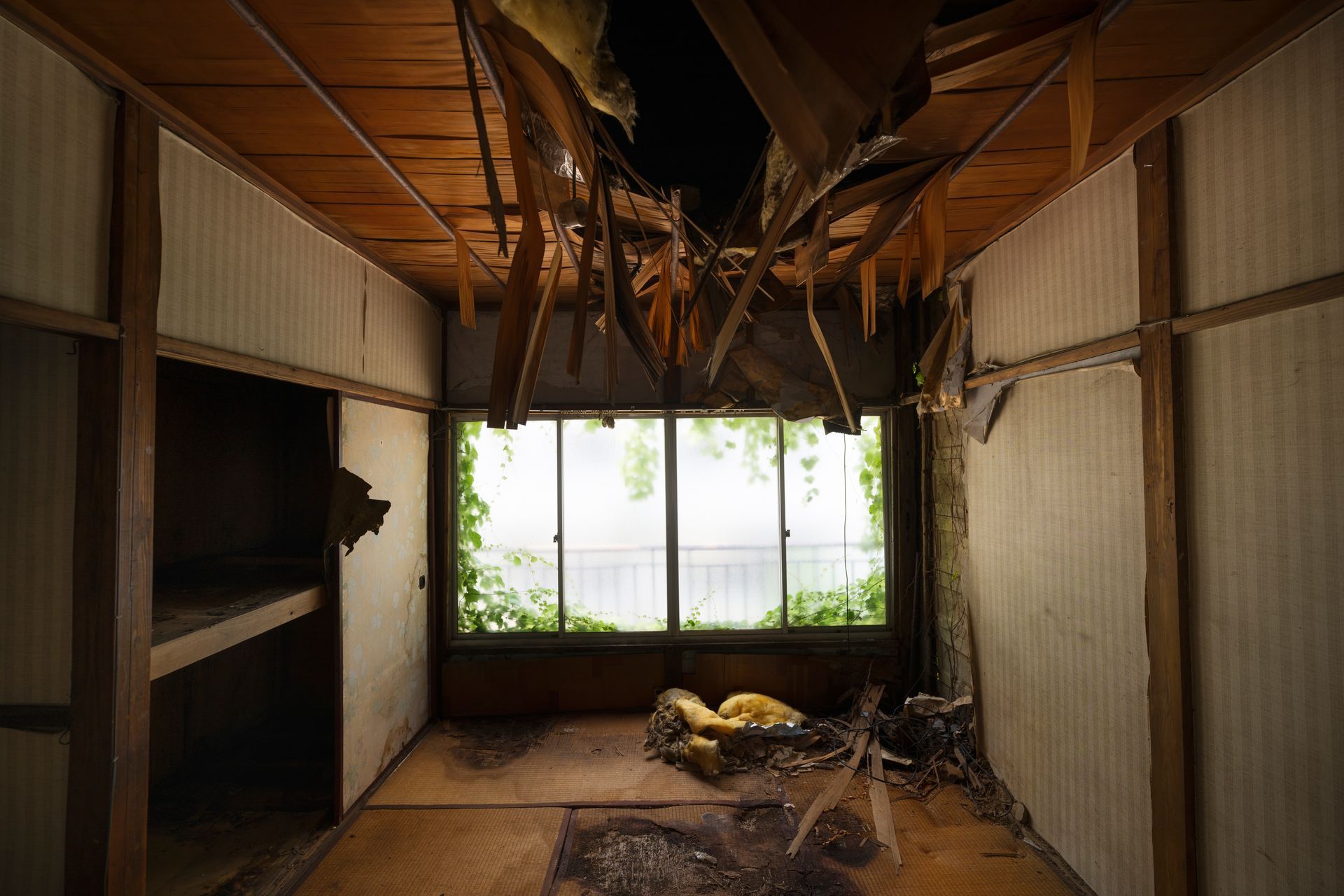
Not all water damage looks like a flooded room. Some of the most expensive losses start quietly—behind a wall, under flooring, or inside a ceiling cavity—until you notice staining, warped materials, or a musty smell that won’t go away. That’s why water damage restoration isn’t just “cleanup.” It’s the process of locating hidden moisture and drying the structure completely.
If you suspect water damage in your New Hampshire home, here’s what to look for and what a professional restoration team should do next.
9 warning signs of hidden water damage
If you notice any of these, moisture may be trapped inside the structure:
- Musty odor that returns after cleaning
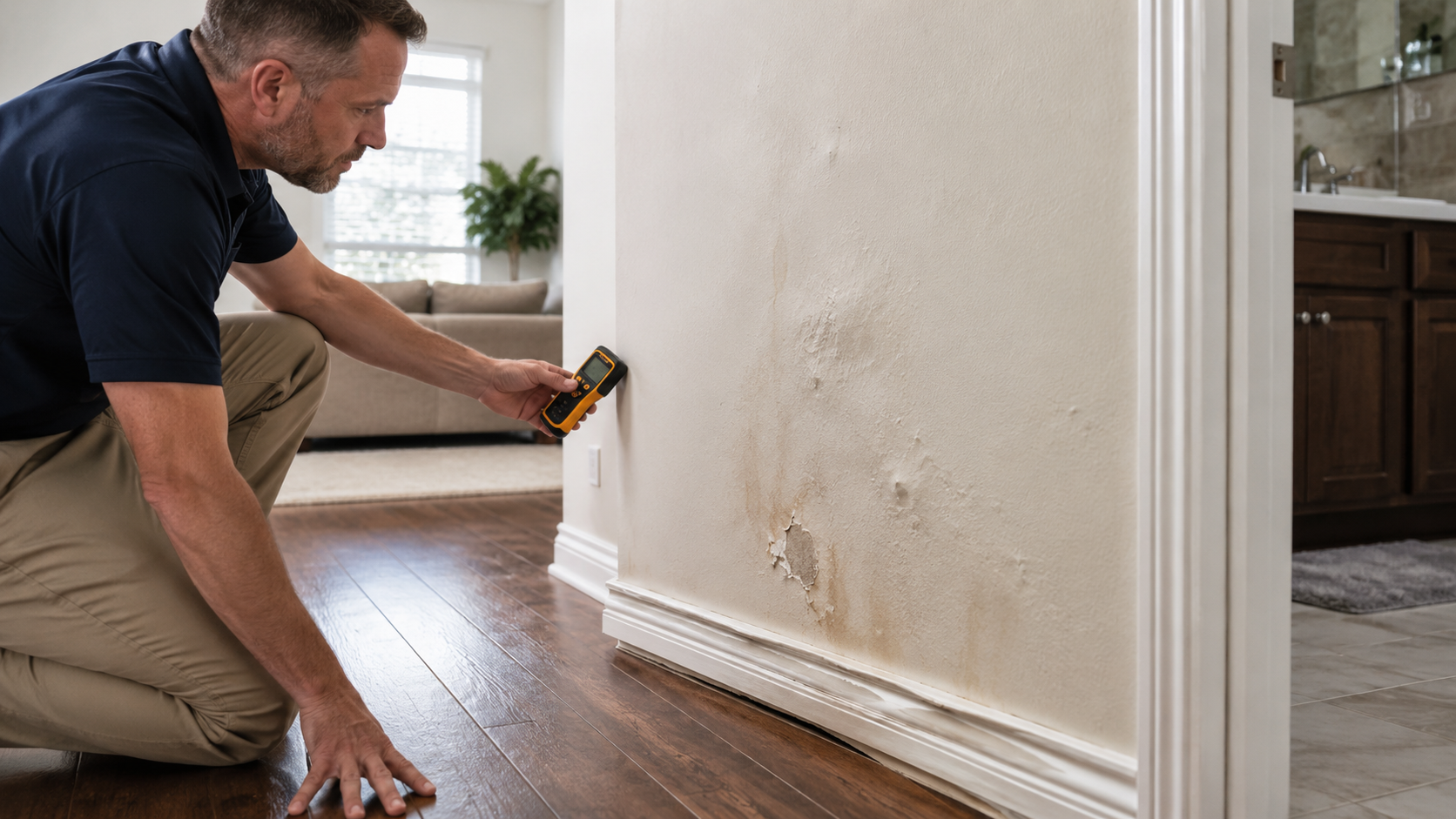
- Bubbling paint or peeling drywall tape
- Baseboards swelling or pulling away
- Warped, cupping, or buckling floors
- Soft spots underfoot (especially near bathrooms or kitchens)
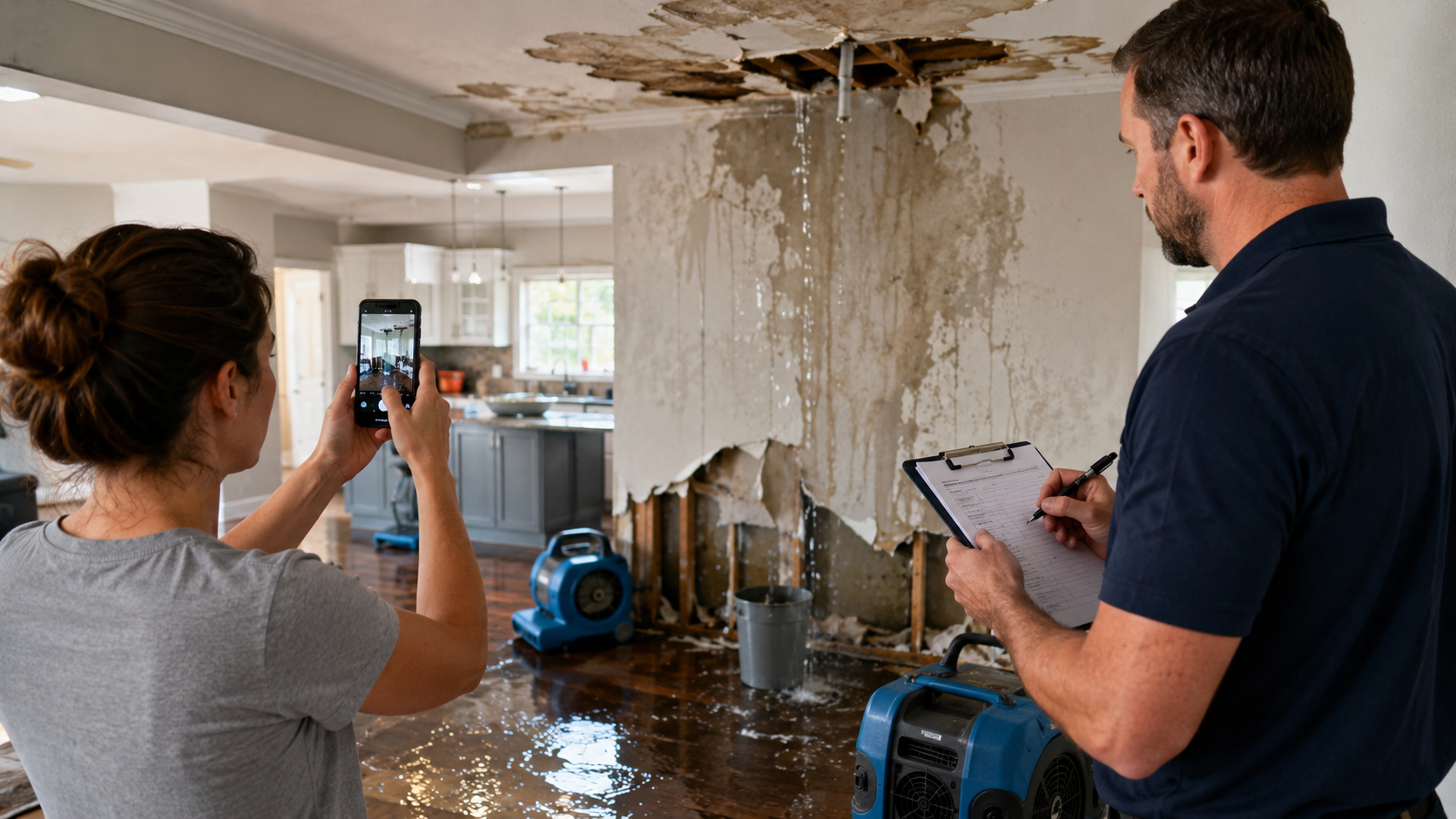
- Ceiling stains that darken after rain
- A room that feels unusually humid
- Rust-colored marks bleeding through paint
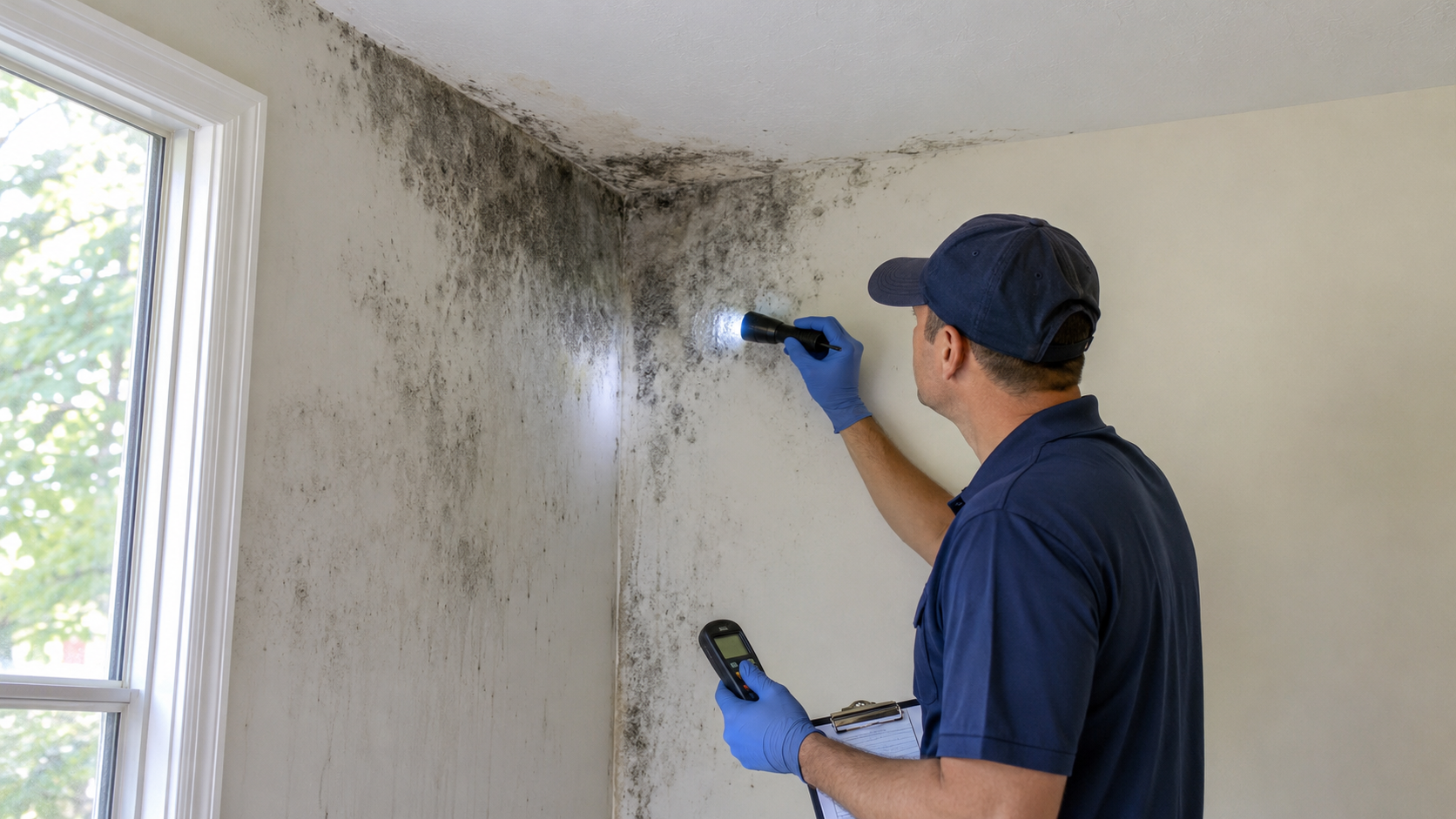
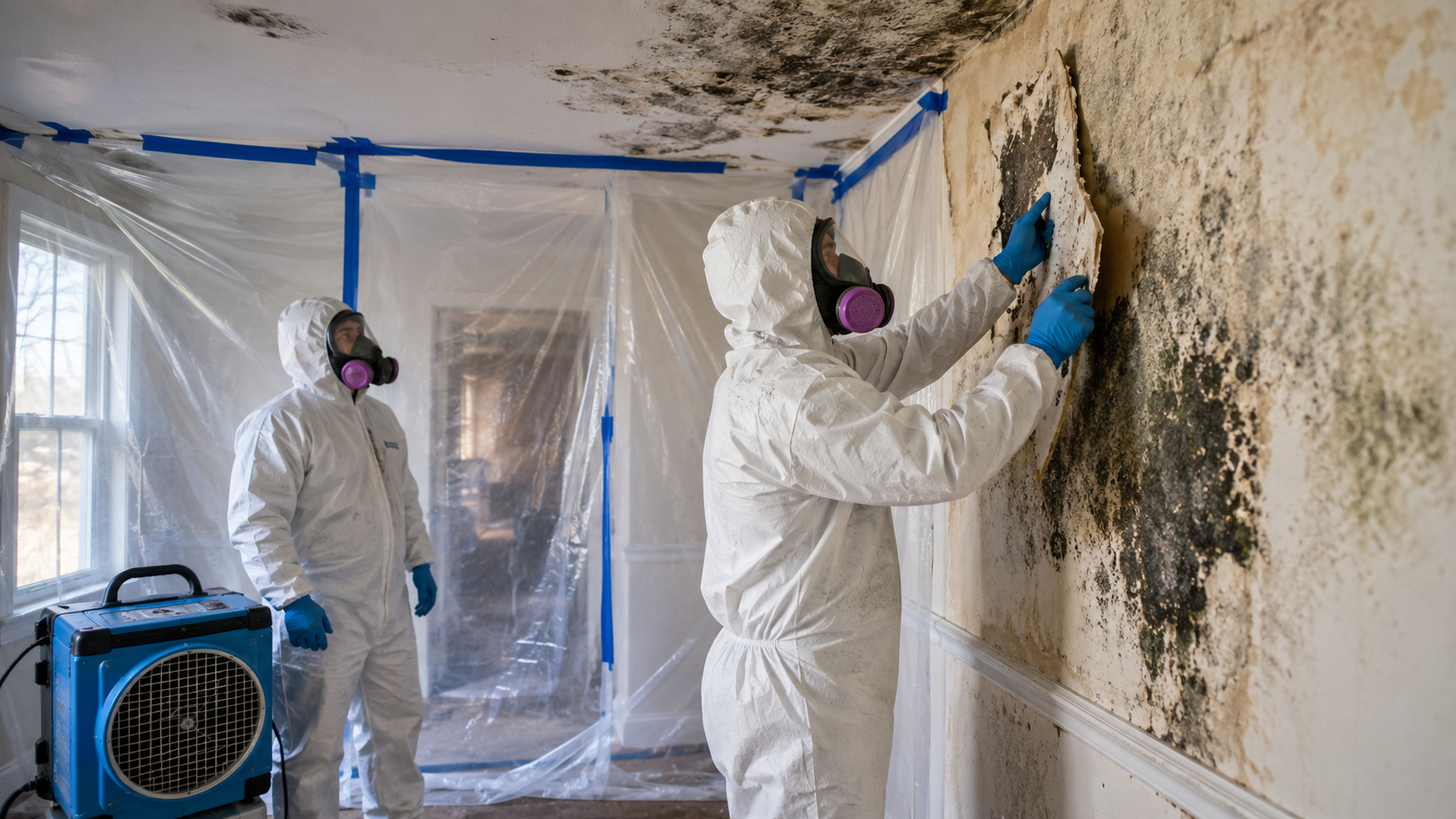
- Mold spotting—or discoloration that keeps coming back
Why hidden water damage gets worse over time
Water doesn’t stay where it lands. It moves along framing, settles under subfloors, and soaks insulation—slowing evaporation. Without proper drying, water damage can expand into adjacent rooms and lower levels, increasing both the repair scope and the time your home is disrupted.
Water damage restoration tools that find moisture you can’t see
A professional water damage restoration team should rely on measurement—not guessing. That often includes:
- Moisture meters to test affected materials
- Thermal imaging to locate temperature differences caused by moisture
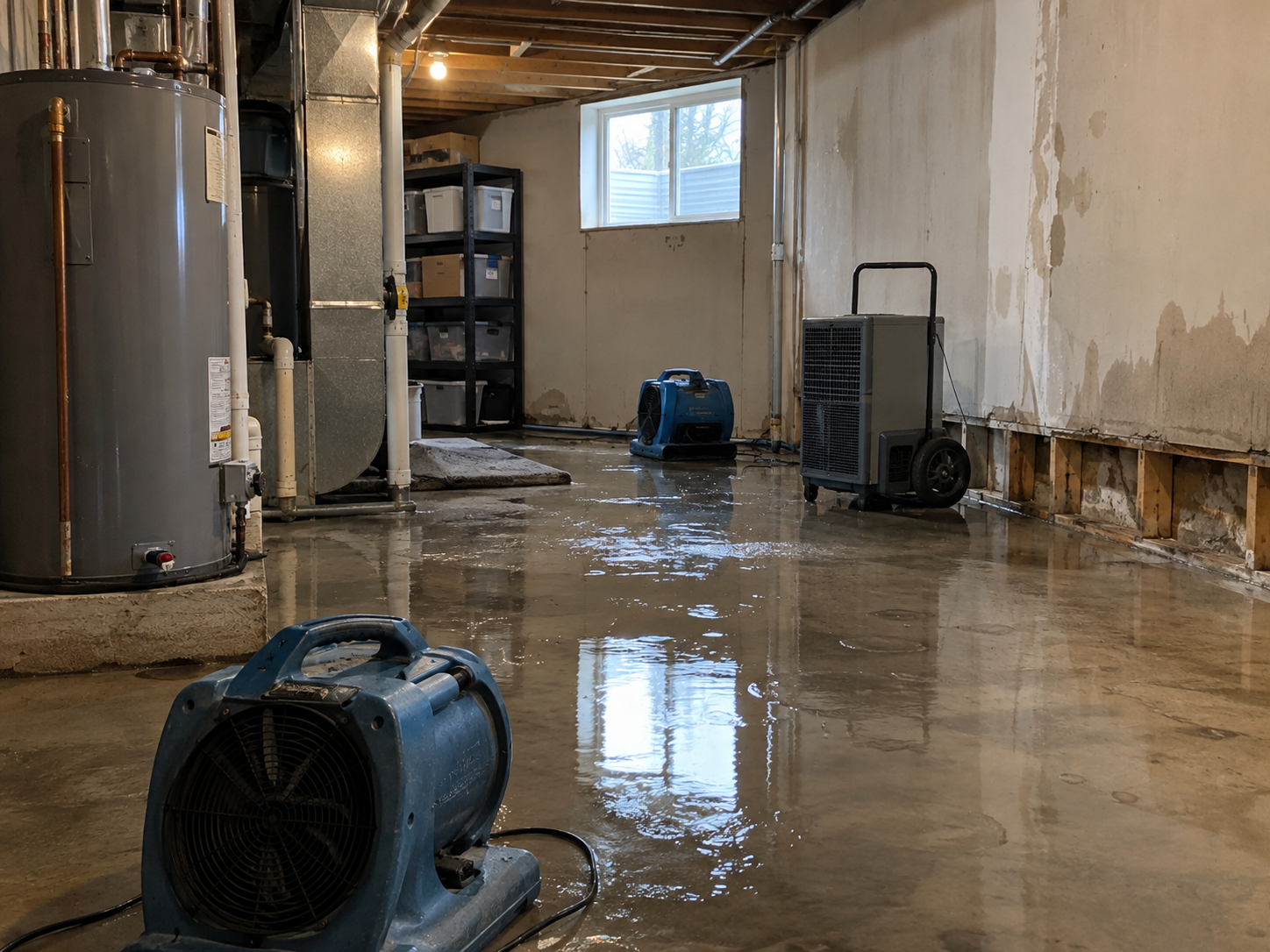
- A drying plan using commercial air movement and dehumidification
- Ongoing monitoring until target moisture levels are reached
This is how restoration teams prevent the “it looked fine, then it came back” problem.
Cleanup vs. Water Damage restoration: The Difference That Matters
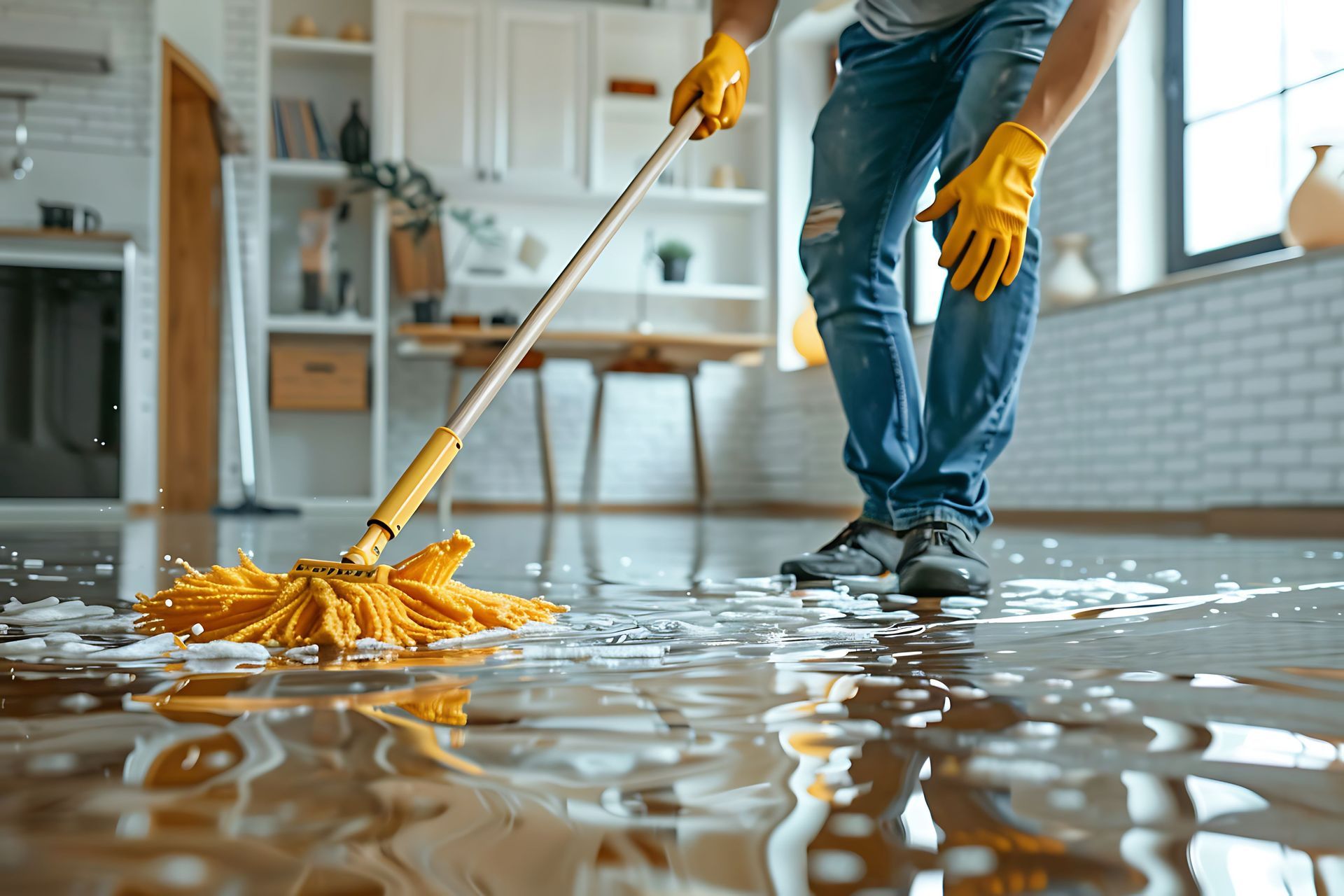
Cleanup handles what’s visible (towels, wet-vac, surface drying).
Water damage restoration handles what’s hidden (moisture mapping, dehumidification, structural drying, verification).
If water damage reached drywall, flooring seams, cabinets, or ceilings—or if you smell mustiness within 24–48 hours—restoration is usually the safer route.
Insurance documentation tip: prove the full scope early
Hidden water damage is one of the most commonly missed parts of a claim because it isn’t obvious in quick photos. The best approach:
- Photograph staining, swelling, warping, and any visible microbial growth
- Record a short timeline (when discovered, what actions taken)
- Keep receipts for emergency steps taken to prevent further damage
- Request a professional assessment that includes moisture findings and scope
If you’re seeing any of the warning signs above, don’t wait for the damage to spread. Use the website’s contact form to request an inspection and get a clear water damage restoration plan—from moisture detection to drying to repairs.