Water Damage Restoration in New Hampshire
Water Damage Restoration in New Hampshire — What to Do in the First 24 Hours
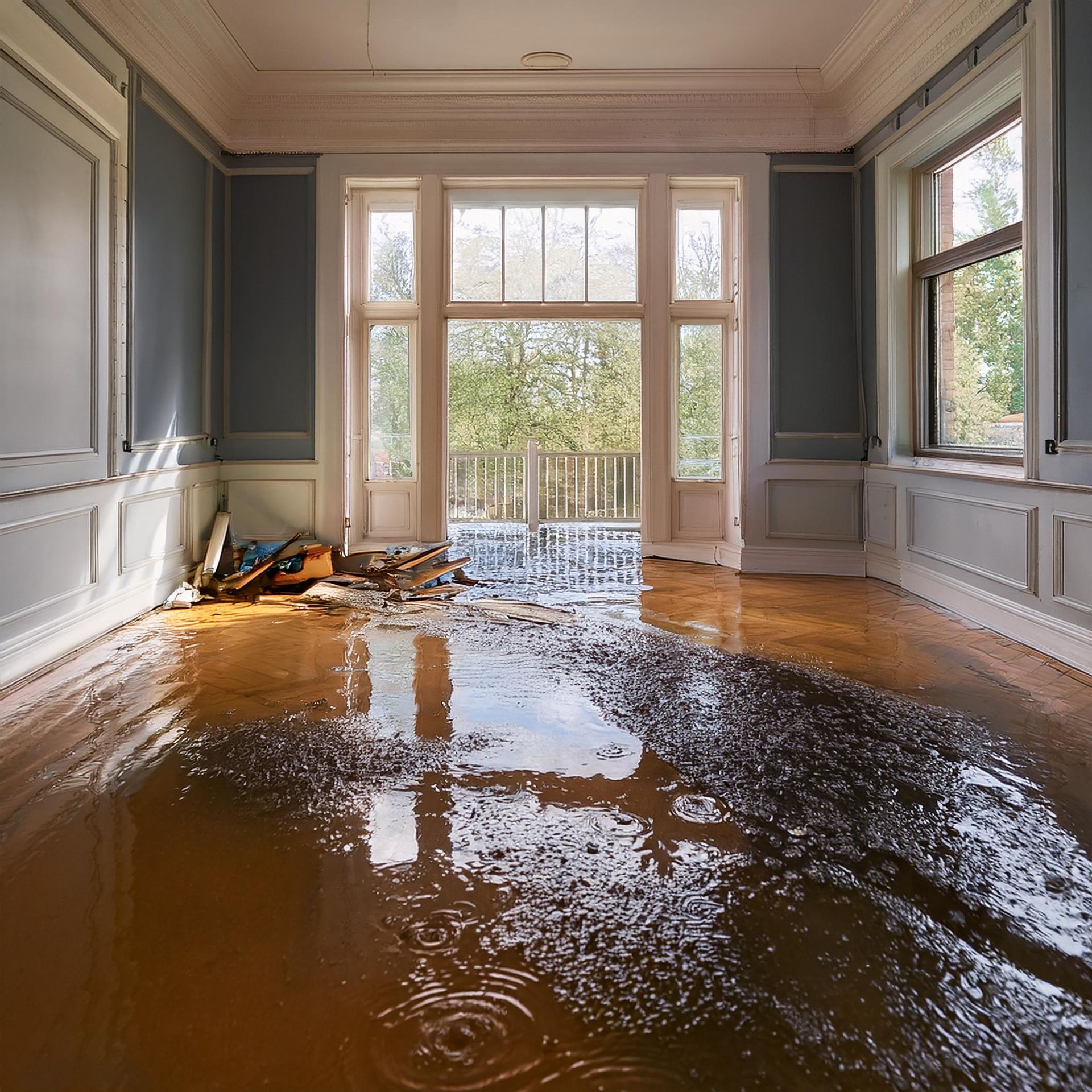
Water damage can go from a “small leak” to a major rebuild faster than most homeowners expect—especially when water slips under flooring, wicks into drywall, and settles into insulation. Elite Restoration New Hampshire emphasizes that the first day matters because speed + complete drying are what prevent bigger issues like structural damage and mold.
Step 1: Stop the water source (safely)
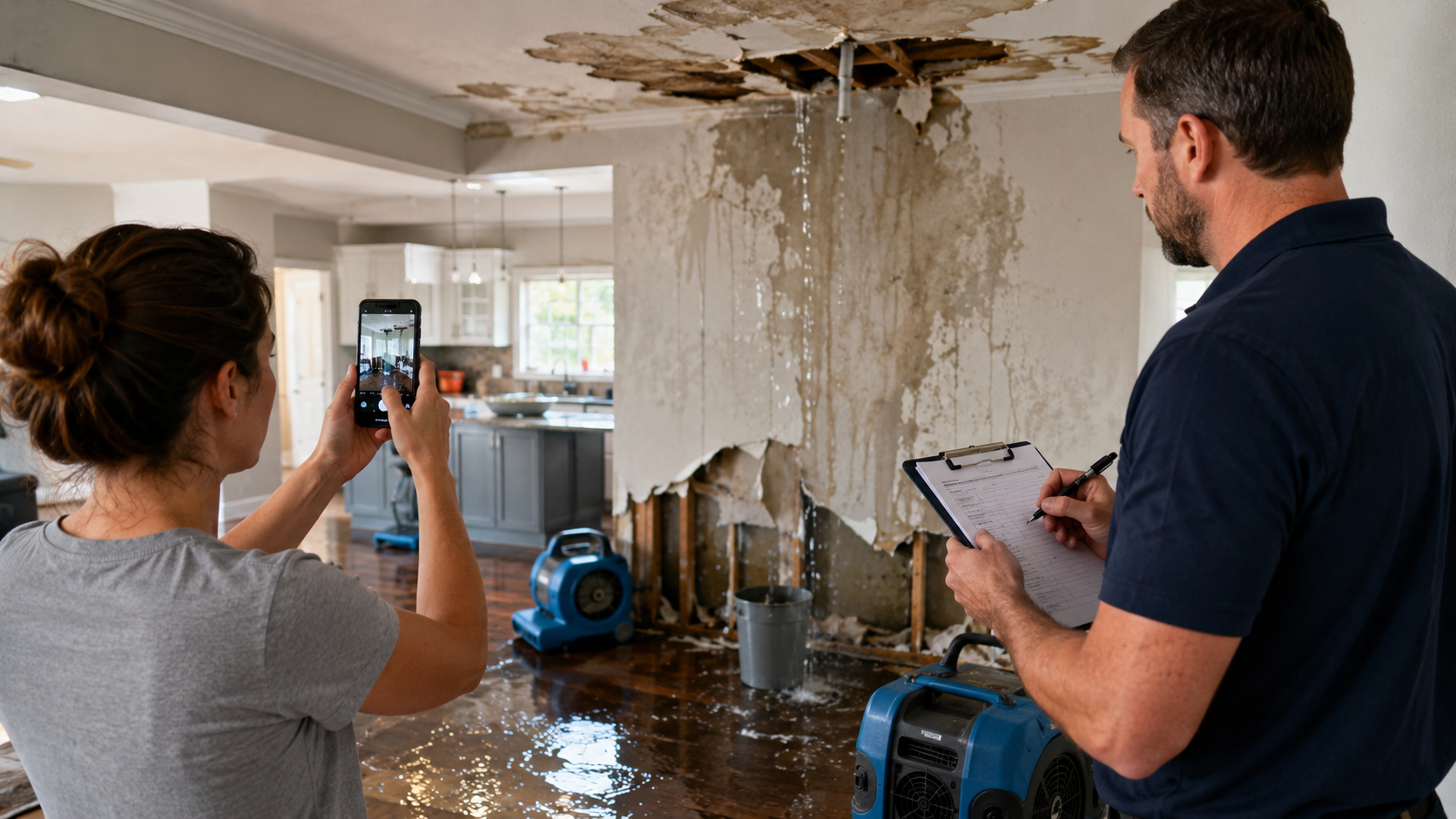
If the leak is from plumbing or an appliance, shut off the nearest valve (or the main shutoff if needed). If water is near outlets, light fixtures, or appliances, treat it as an electrical hazard and avoid standing water until power can be shut off to the affected area.
Step 2: Keep damage from spreading
Water travels under thresholds, into closets, and behind baseboards. If it’s safe:
- Move rugs, furniture, and valuables to a dry area
- Use towels at doorways to slow spreading
- Place buckets under active drips
Step 3: Don’t rely on “surface drying”
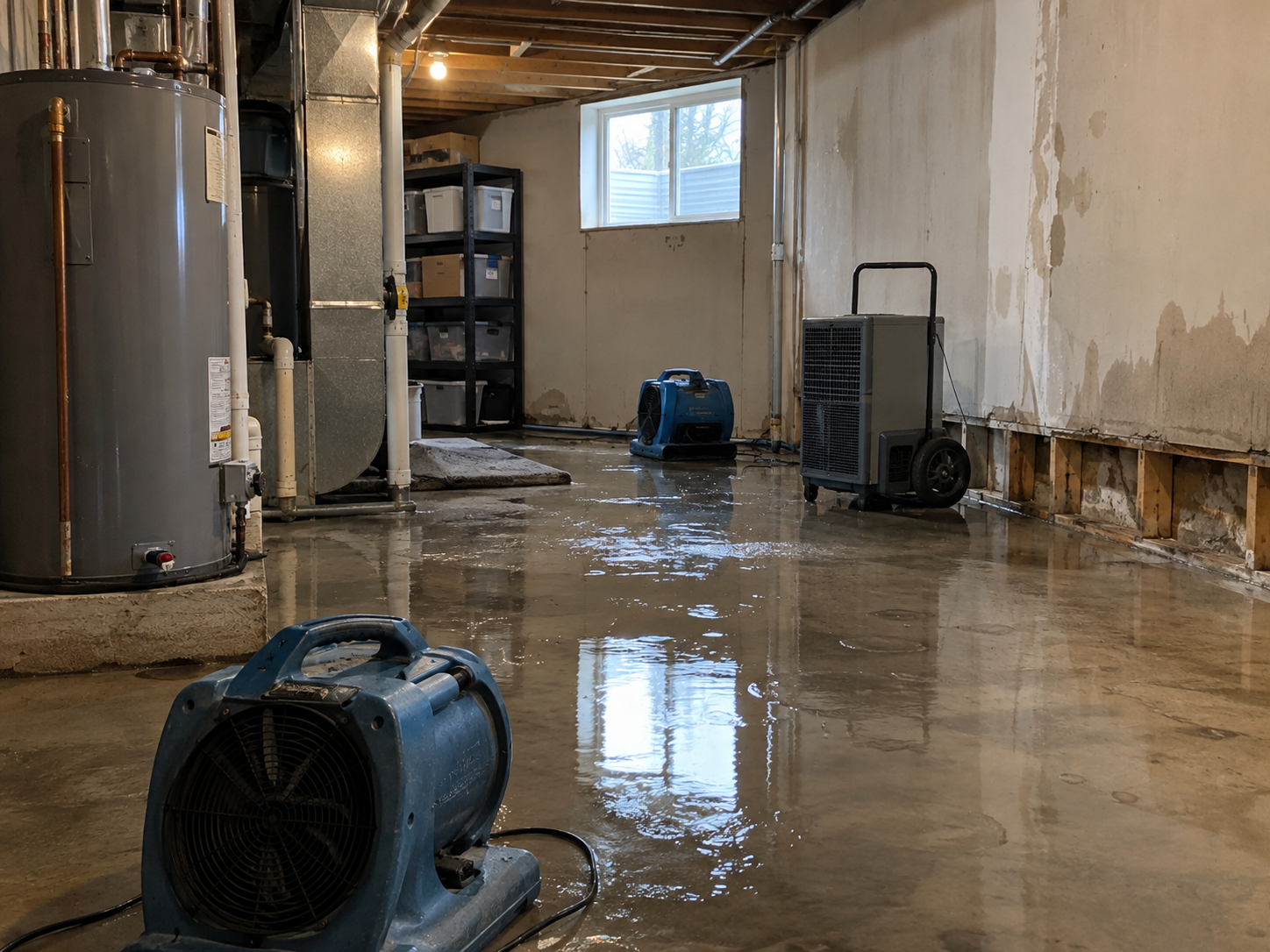
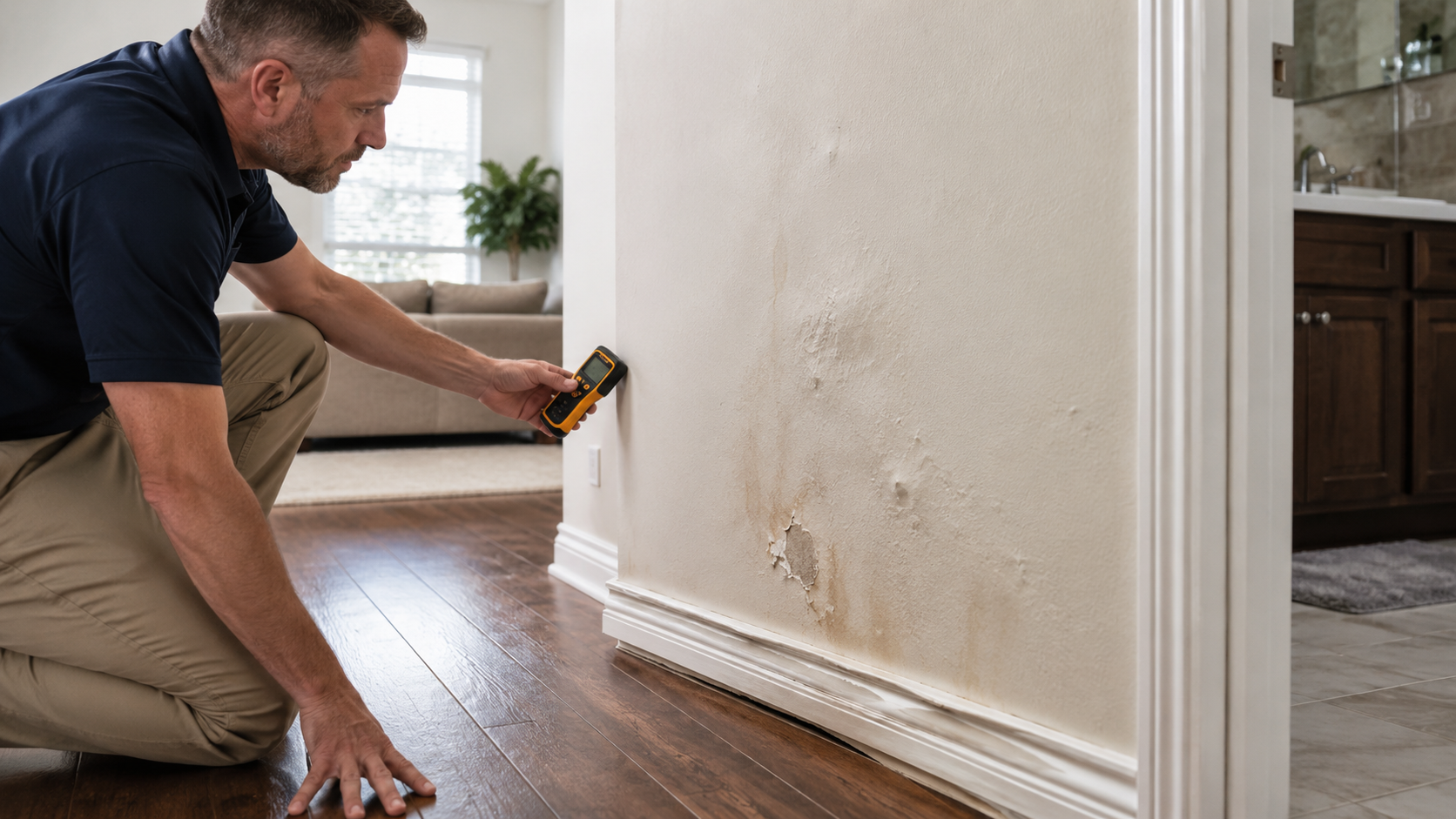
Fans can help, but hidden moisture is the real problem—under flooring, behind walls, and inside insulation. That’s why professional restoration focuses on moisture detection and structural drying, not guesswork.
Step 4: What professional water damage restoration includes
Elite Restoration New Hampshire lists water damage restoration services for both residential and commercial properties, and notes that even small amounts of standing water can cause extensive damage if not handled quickly.
A professional process typically includes:
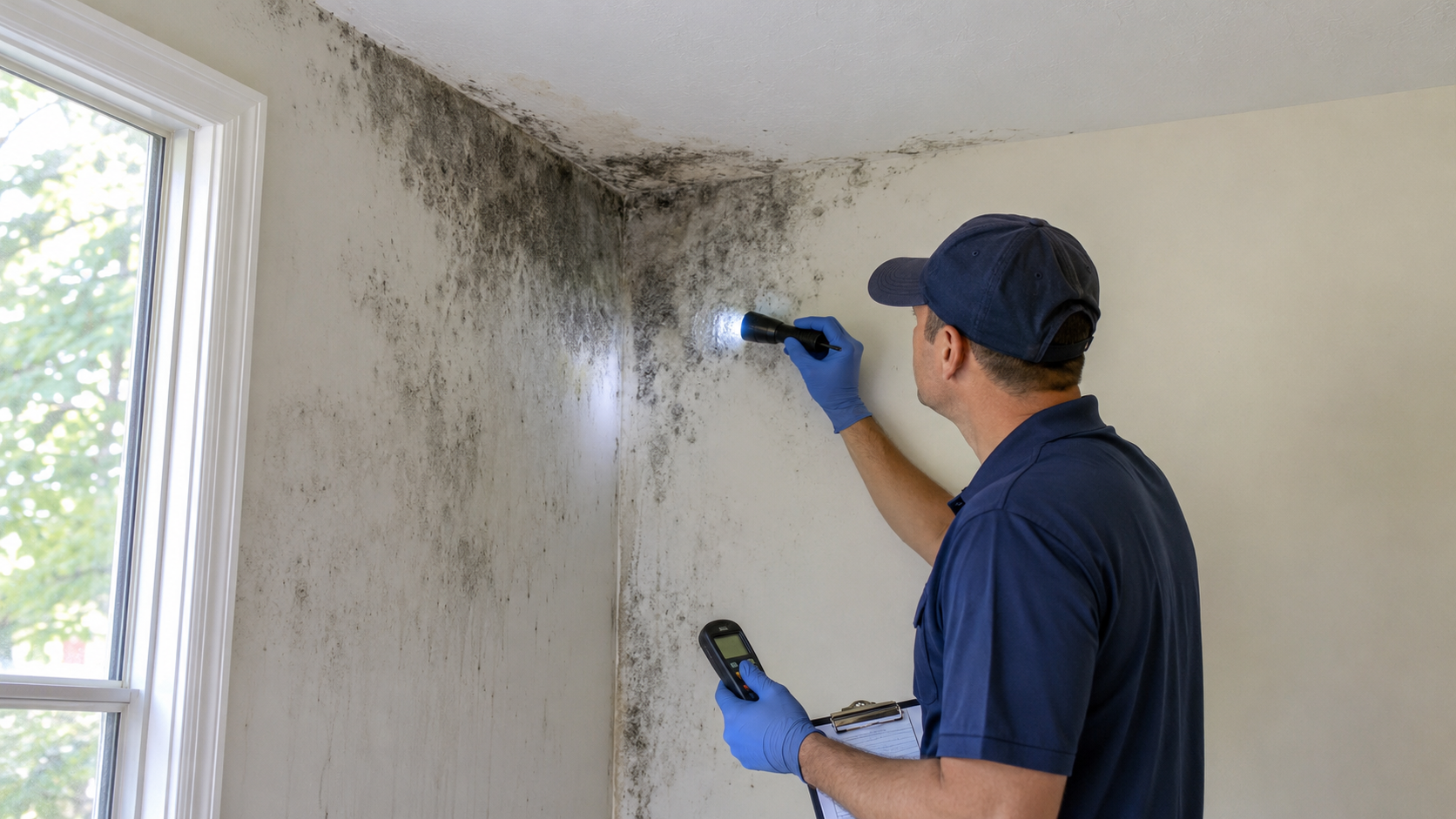
- Inspection and moisture mapping using advanced equipment (including probes/sensors and thermal imaging)
- Water extraction
- Drying and dehumidification
- Cleaning and disinfecting affected areas
Step 5: Know when it’s urgent
Call for emergency help right away if you have:
- A ceiling leak (collapse risk)
- Basement flooding
- Sewage-contaminated water
- Water that’s been sitting for more than a day
- Wet insulation or soggy drywall
Elite Restoration New Hampshire highlights 24/7 emergency response and that their team is IICRC-certified in water damage restoration.
If you’re dealing with a leak or flood, the safest move is fast action + professional drying—so the damage doesn’t spread or turn into mold later.