Hidden Water Damage in New Hampshire Homes
Hidden Water Damage in New Hampshire Homes — The Signs Most People Miss (and Why It Gets Expensive)
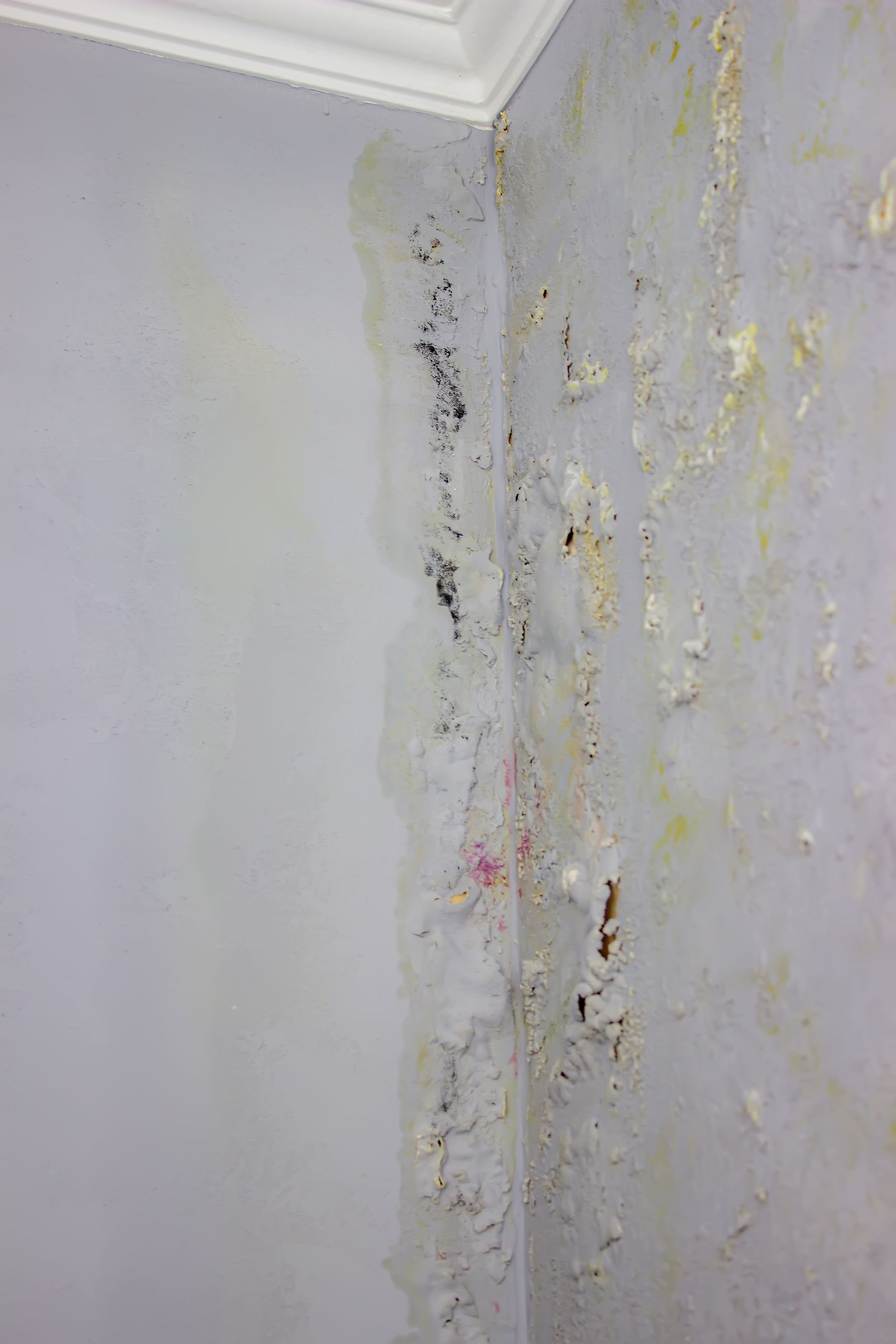
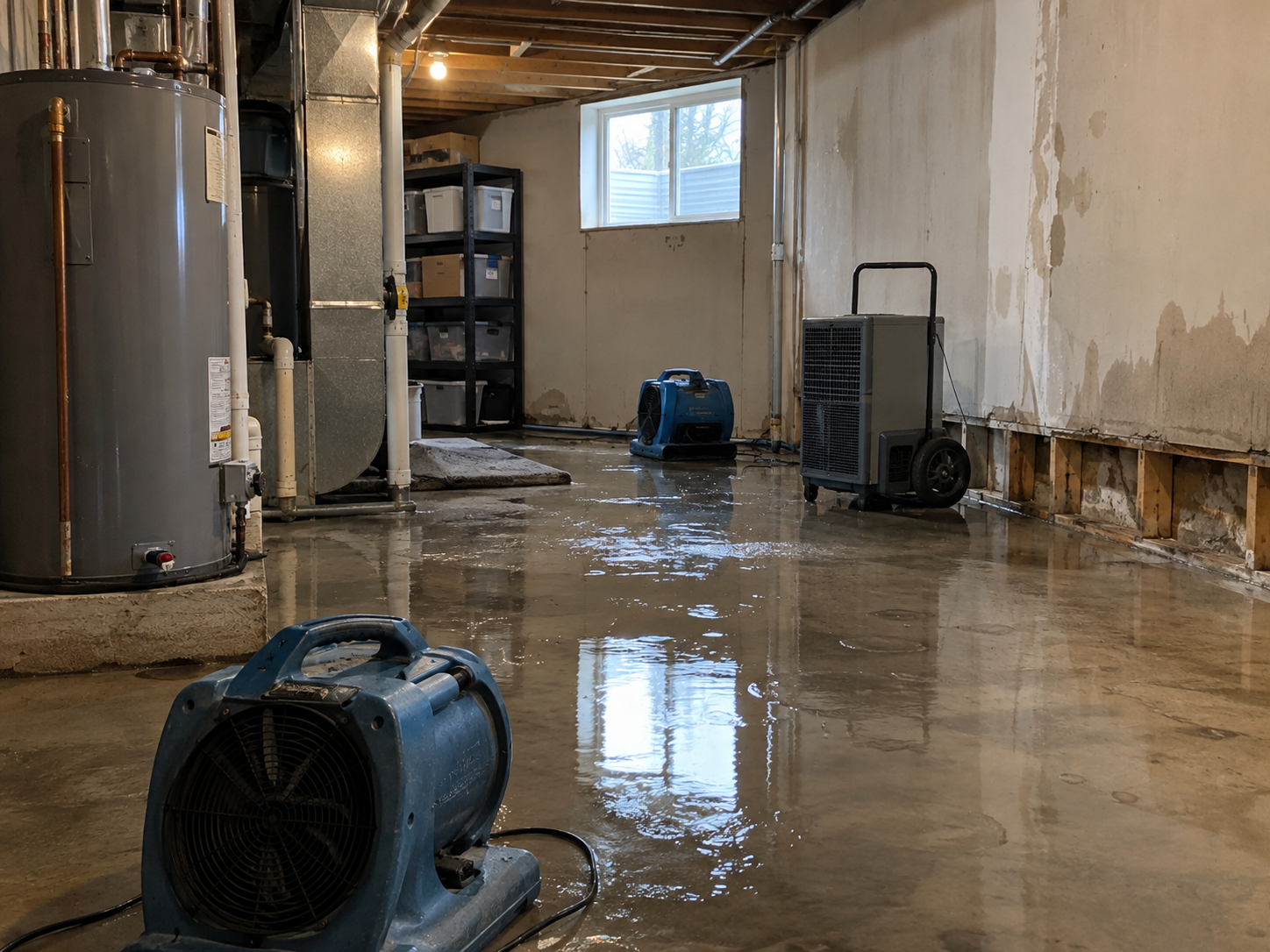
One of the most frustrating parts of water damage is that it doesn’t always show up where the water actually traveled. Elite Restoration New Hampshire calls out how water can slip into places you don’t see—under floors, behind baseboards, inside drywall—and become a costly problem if it isn’t found and dried properly.
Why “hidden” water damage is so common
Water follows gravity, gaps, and porous materials. That means a leak in one room can show up later as:
- Warped flooring down the hall
- A musty smell in a closet
- Bubbling paint on a wall that wasn’t “near the leak”
- Soft drywall near baseboards
Warning signs you should take seriously
If any of these are happening, there may be moisture trapped behind surfaces:
- Persistent musty odor
- Floors that feel soft, bouncy, or buckled
- Peeling paint or swollen trim
- Stains that grow or reappear after “drying”
- Higher humidity indoors that doesn’t improve
The big risk: mold and material breakdown
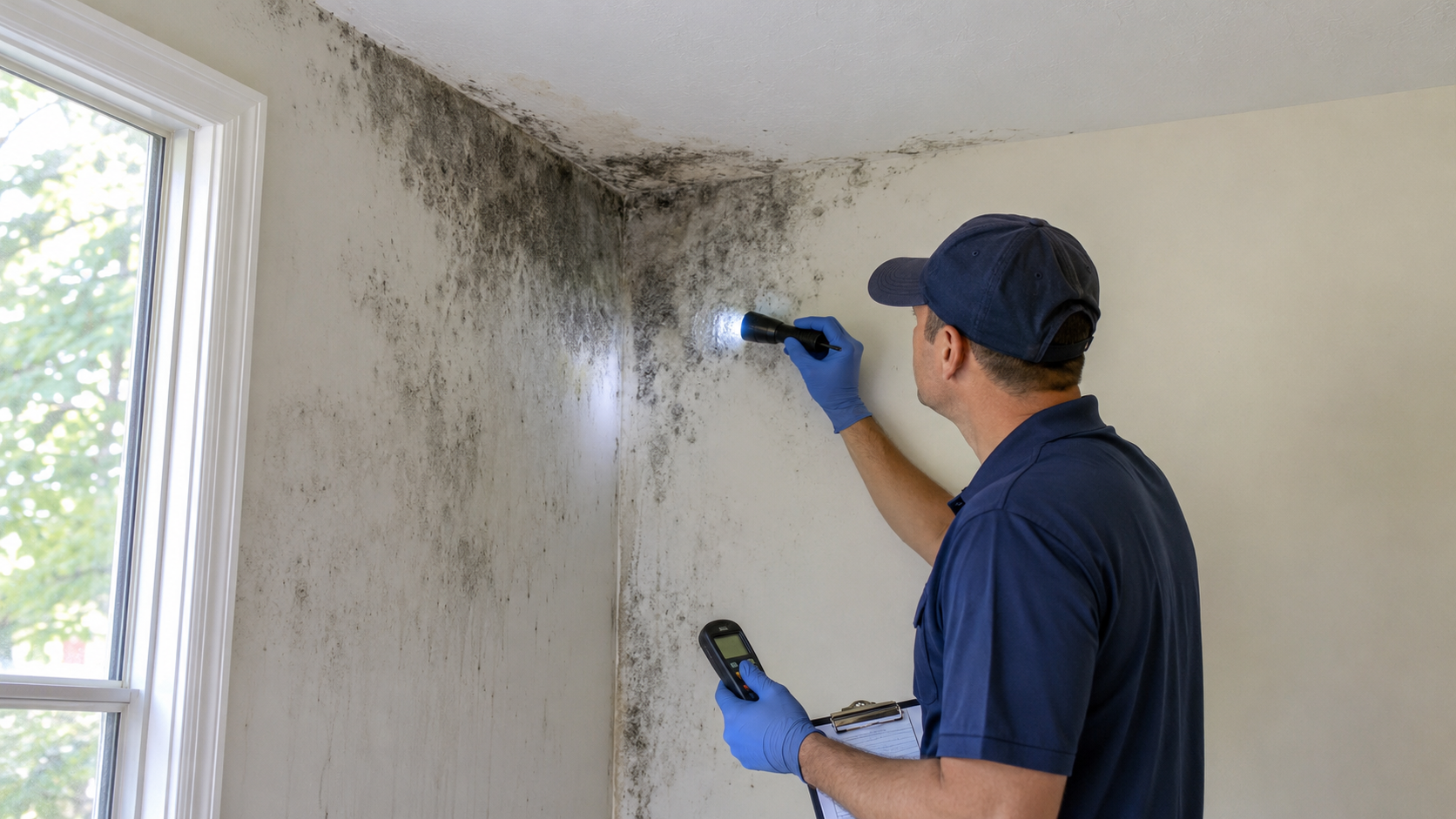
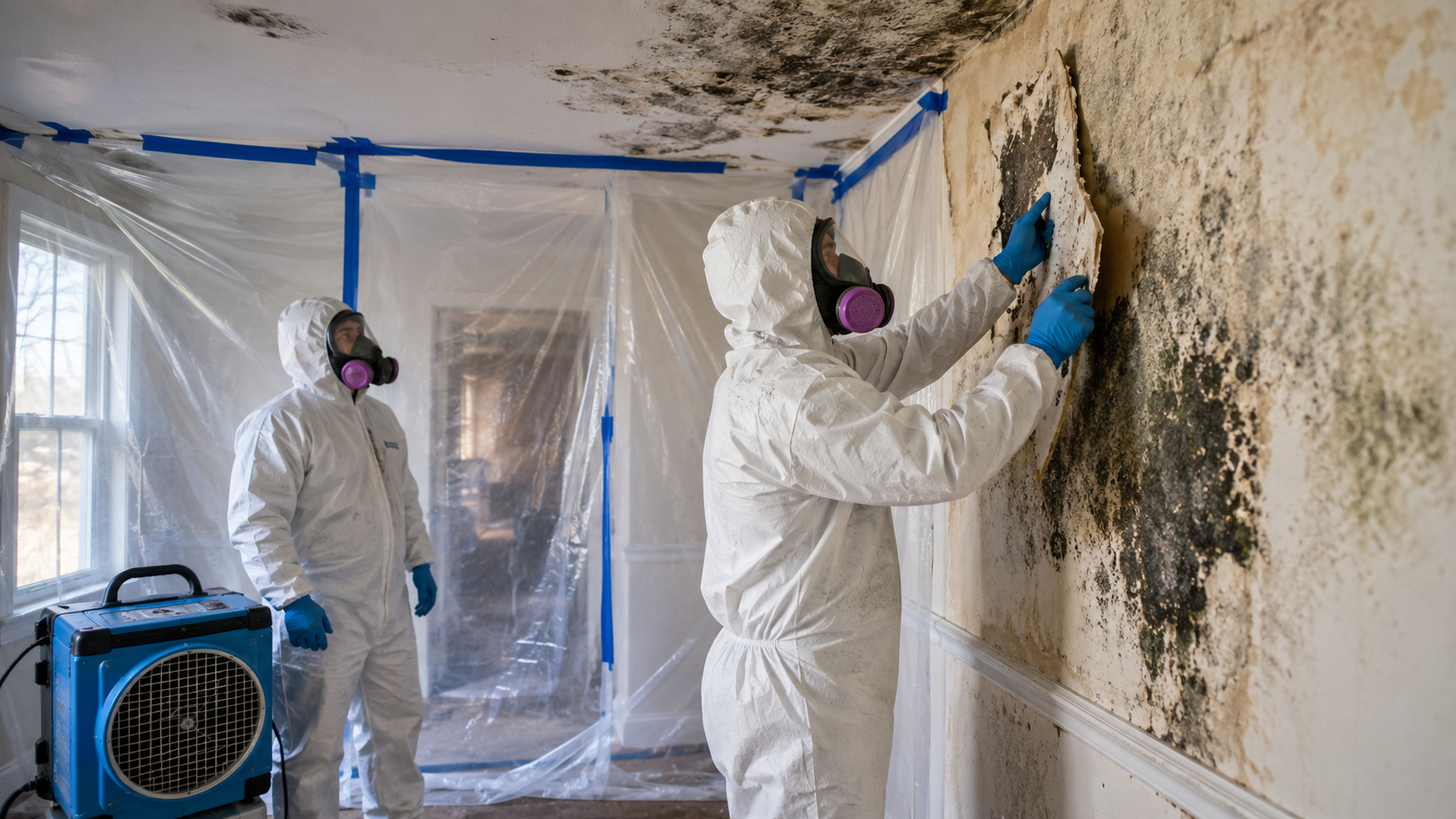
Elite Restoration New Hampshire notes that mold can begin growing quickly if water damage isn’t addressed promptly, which is why complete drying and disinfecting matters.
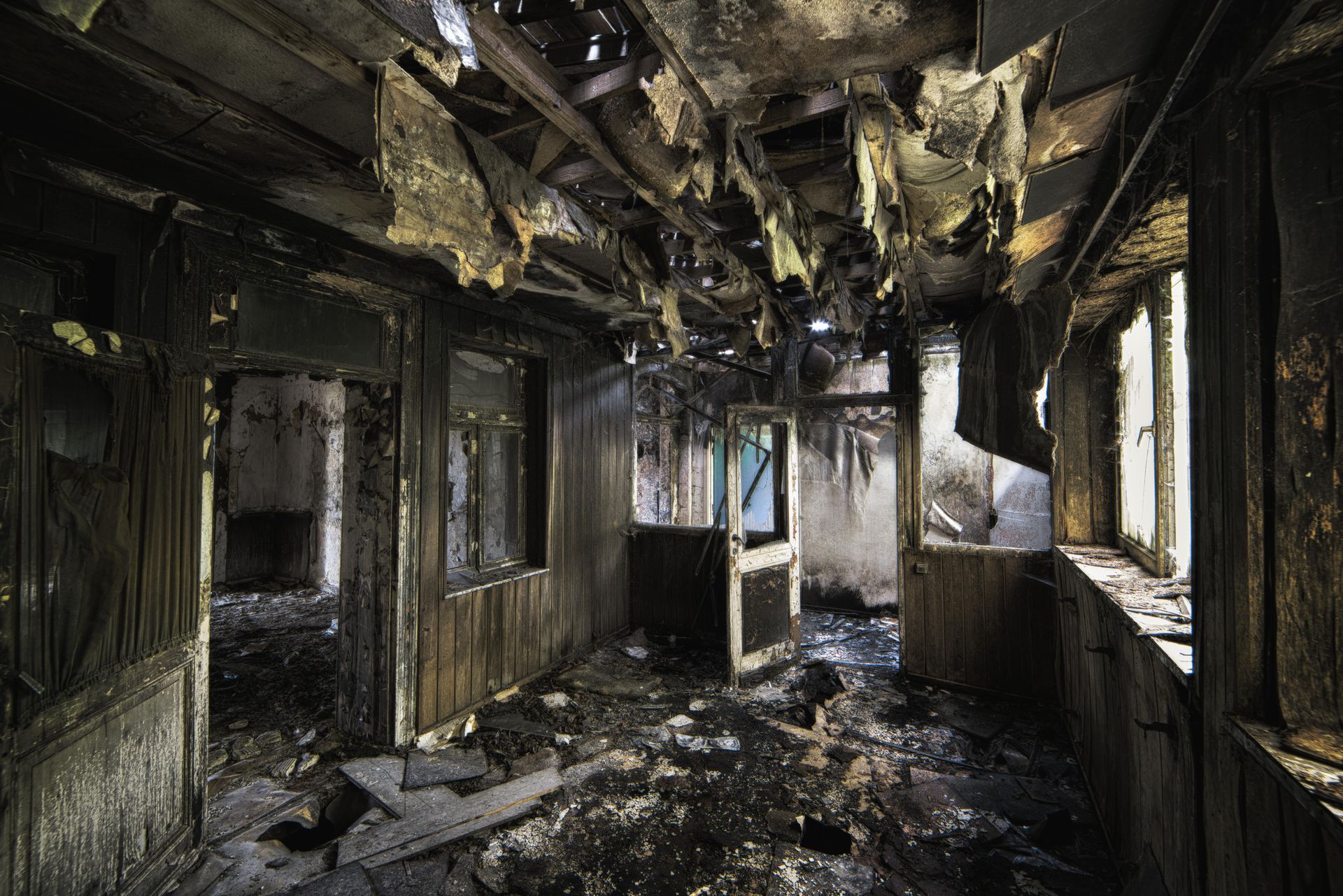
Even when mold doesn’t appear immediately, moisture can degrade drywall, insulation, subfloors, and framing over time.
How professionals find what homeowners can’t see
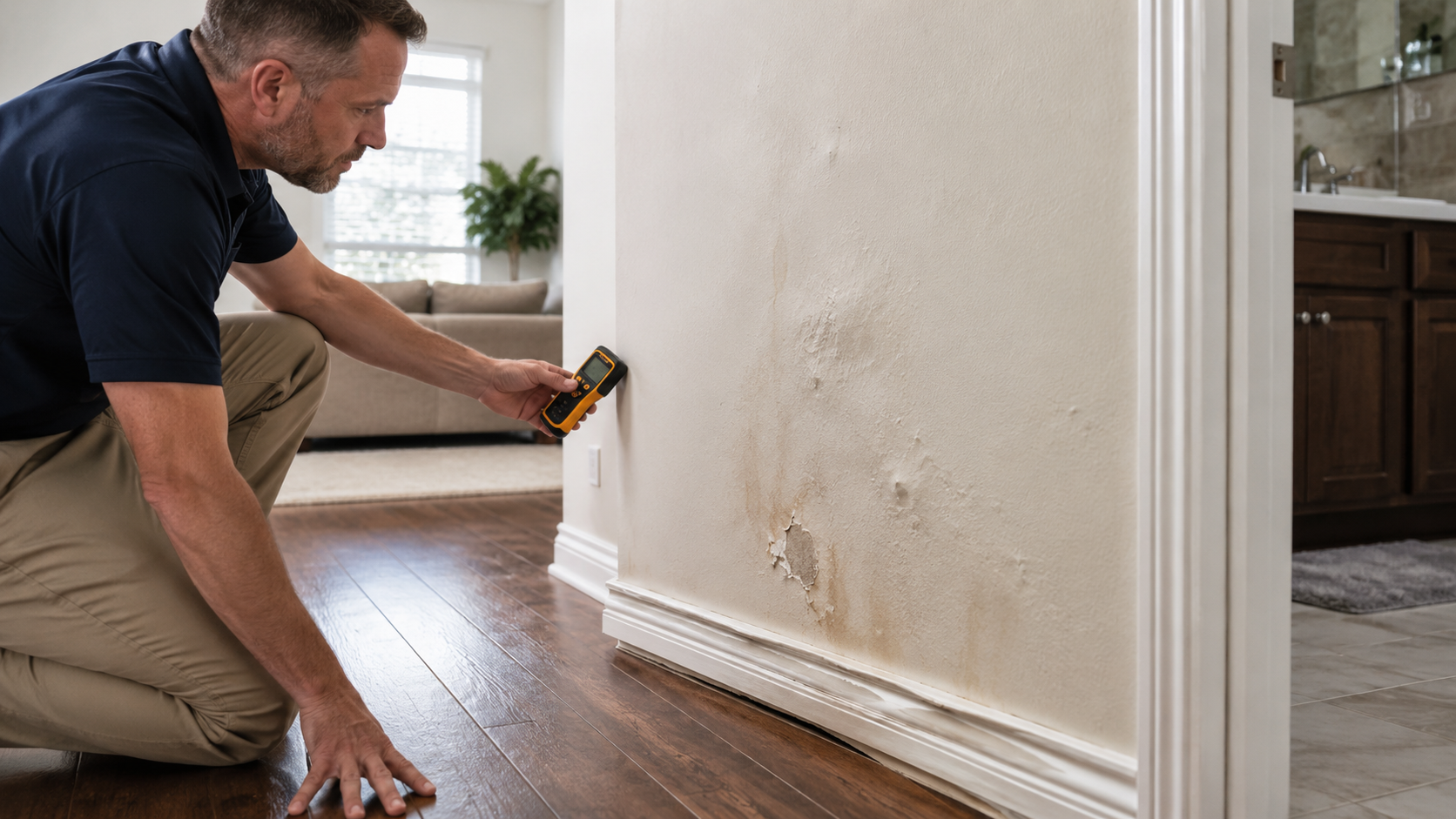
Elite Restoration New Hampshire highlights using advanced water-sensing tools—like probes/sensors, infrared thermal imaging cameras, and even borescope-style inspections—to locate moisture inside walls and cavities.
That matters because the best restoration plan is based on
measured moisture, not assumptions.
Insurance tip: document early
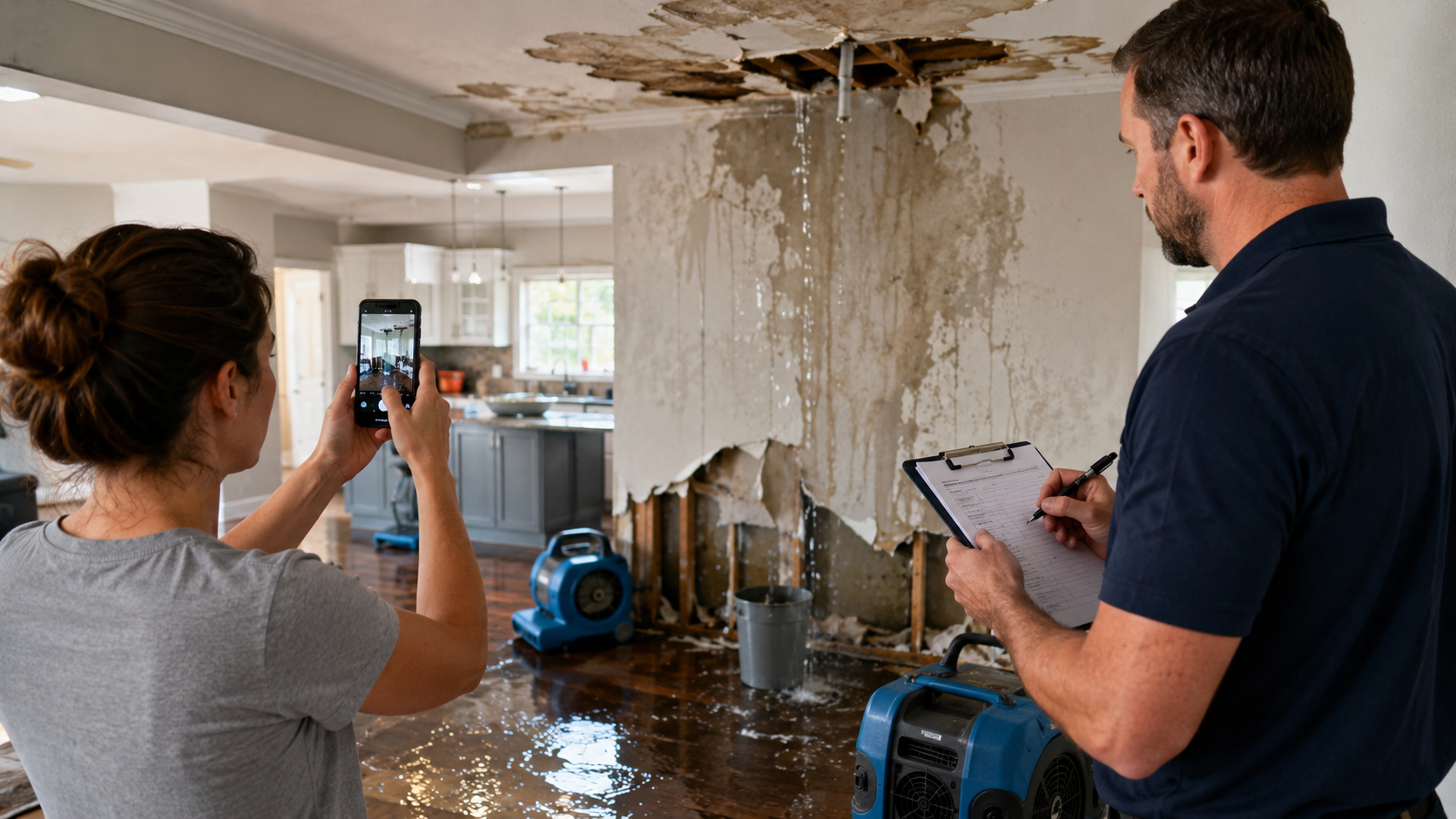
If you’re filing a claim, photos/video and organized notes help. Elite Restoration also publishes guidance on documenting water damage for insurance and notes they can work directly with carriers to help streamline the process.
If you suspect hidden water damage, don’t wait for it to “show itself.” A professional moisture inspection and drying plan can prevent bigger repairs later and help protect your home’s structure.