Fire Damage Restoration in Plymouth, NH
Fire Damage Restoration in Plymouth, NH: Why Smoke, Soot and Water Damage All Need Attention
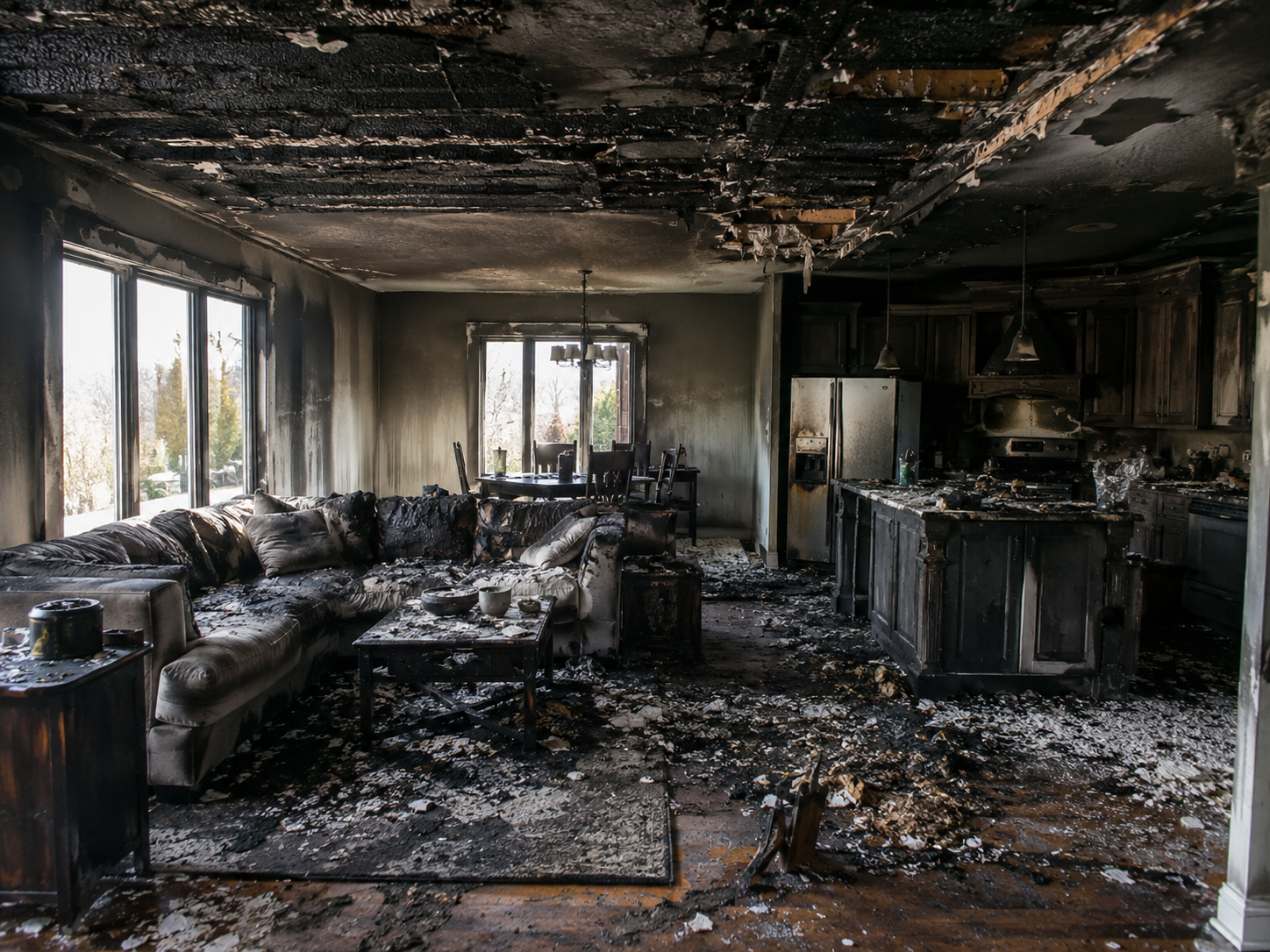
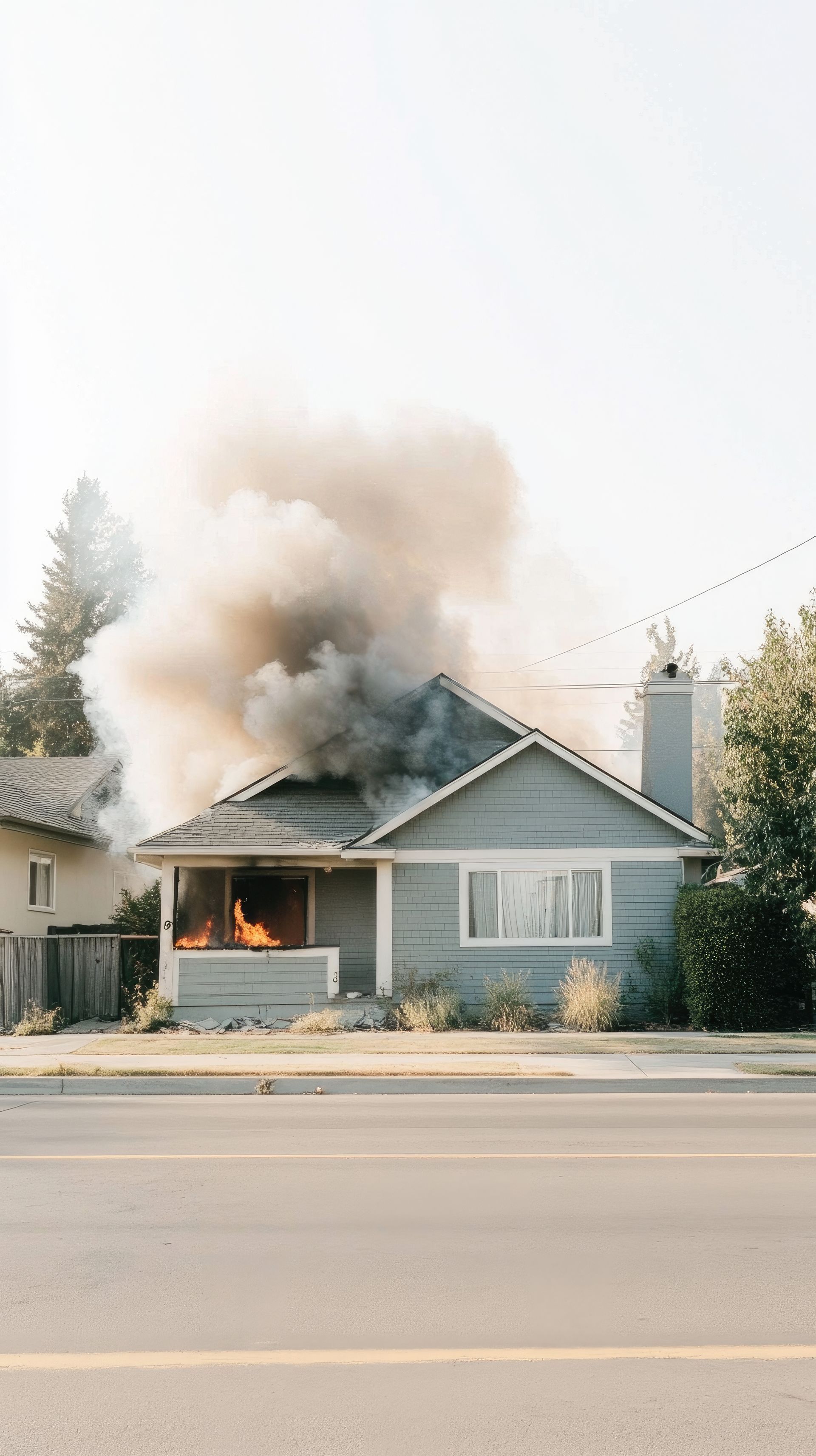
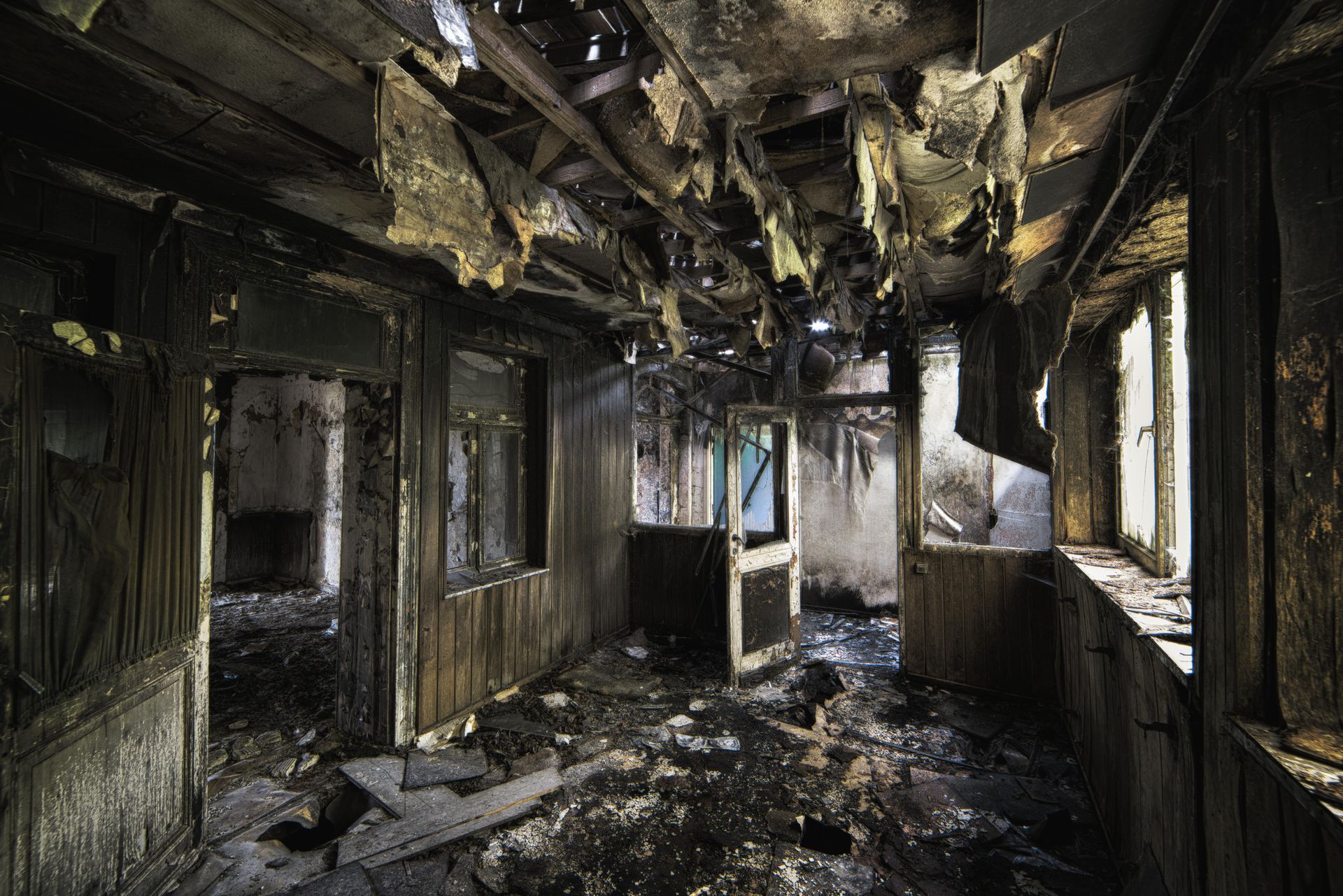
When a fire damages a home or business, the most obvious destruction naturally receives the most attention.
Burned walls.
Charred cabinets.
Damaged flooring.
Ruined furniture.
But professional fire damage restoration in Plymouth, New Hampshire, involves much more than repairing the areas that came into direct contact with flames.
Smoke can travel throughout the property. Soot can settle on walls, ceilings, furniture, and personal belongings. Water used during firefighting can create another category of damage entirely.
Elite Restoration New Hampshire provides fire and smoke restoration throughout New Hampshire, including Plymouth, and offers fire-damage reconstruction, soot removal, odor treatment, structural cleanup, and emergency response.
Fire Damage Doesn't End Where the Flames Stop
A fire may begin in a kitchen, bedroom, garage, or utility area.
Even if firefighters contain the flames to one portion of the property, smoke can move much farther.
Smoke may travel through:
- Hallways
- Doorways
- HVAC systems
- Attics
- Wall cavities
- Stairways
That means rooms without obvious burn damage can still require professional cleaning.
The complete restoration scope should consider direct fire damage as well as smoke, soot, odor, and secondary water damage.
Smoke Can Affect the Entire Property
Smoke contains extremely small particles capable of reaching surfaces throughout a building.
Affected materials can include:
- Walls
- Ceilings
- Furniture
- Carpeting
- Curtains
- Cabinets
- Clothing
- Electronics
- HVAC components
Different materials respond differently to smoke contamination.
Some items may be cleaned and restored.
Others may be too heavily damaged.
Professional technicians evaluate what can safely be cleaned and determine the appropriate methods for each surface.
Why Soot Requires Specialized Cleaning
Soot may look like ordinary black dust, but it can behave very differently.
It can leave an oily residue on surfaces and may smear when cleaned improperly.
Soot contamination can affect:
- Painted surfaces
- Cabinets
- Appliances
- Flooring
- Furniture
- Personal contents
Using the wrong cleaning technique may spread the residue rather than remove it.
Elite Restoration New Hampshire specifically provides professional soot removal using specialized cleaning methods as part of its fire restoration service.
Smoke Odor Can Remain Long After Cleanup
A property can look much cleaner while still smelling heavily of smoke.
That is because smoke particles can penetrate porous materials.
These may include:
- Upholstered furniture
- Carpeting
- Wood
- Drywall
- Insulation
- Clothing
Air fresheners may temporarily mask the odor, but they do not address the underlying contamination.
Professional deodorization targets the materials and surfaces responsible for the odor.
Elite Restoration New Hampshire includes smoke and odor removal as well as structural deodorization among its fire and smoke damage services.
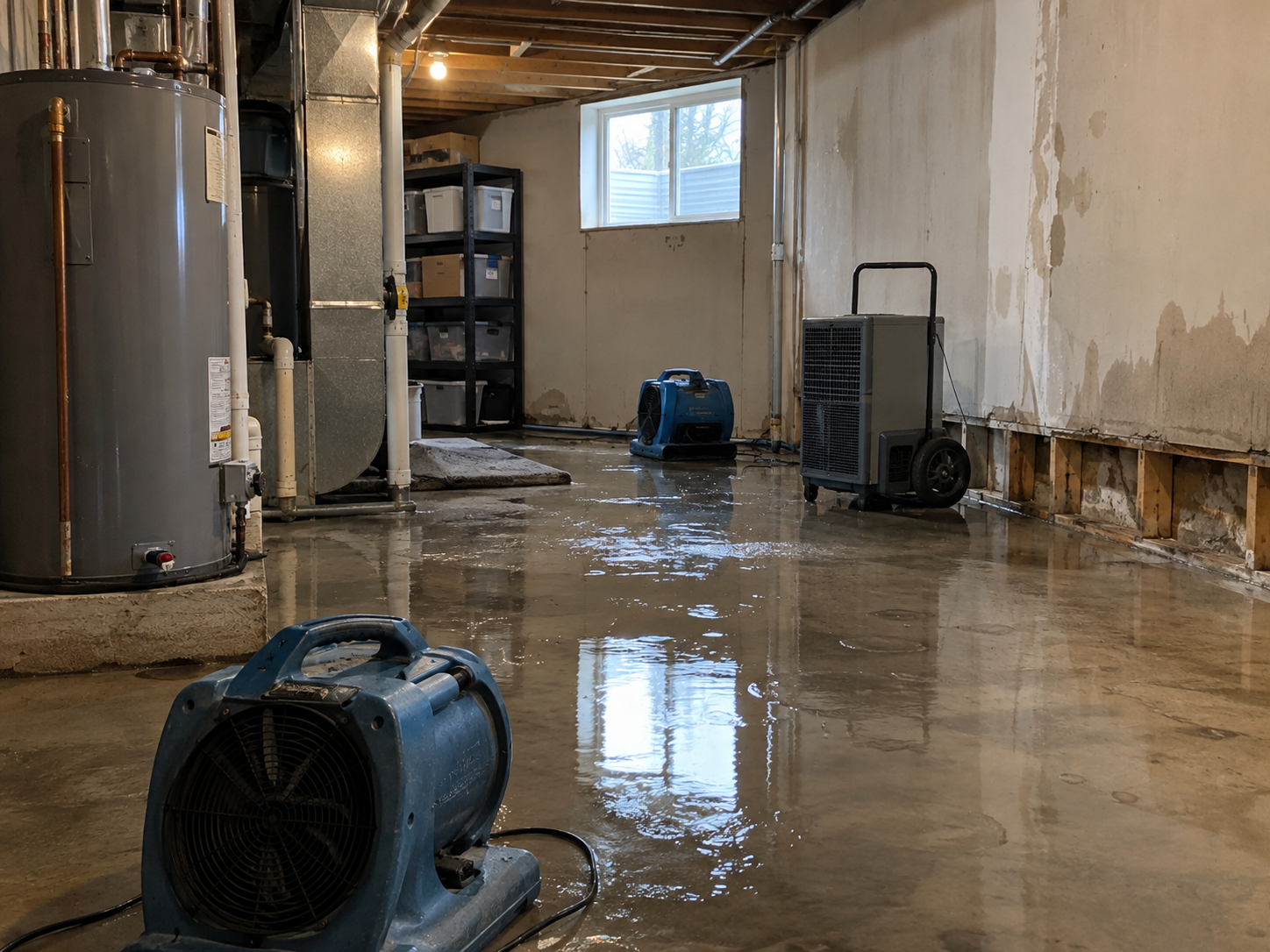
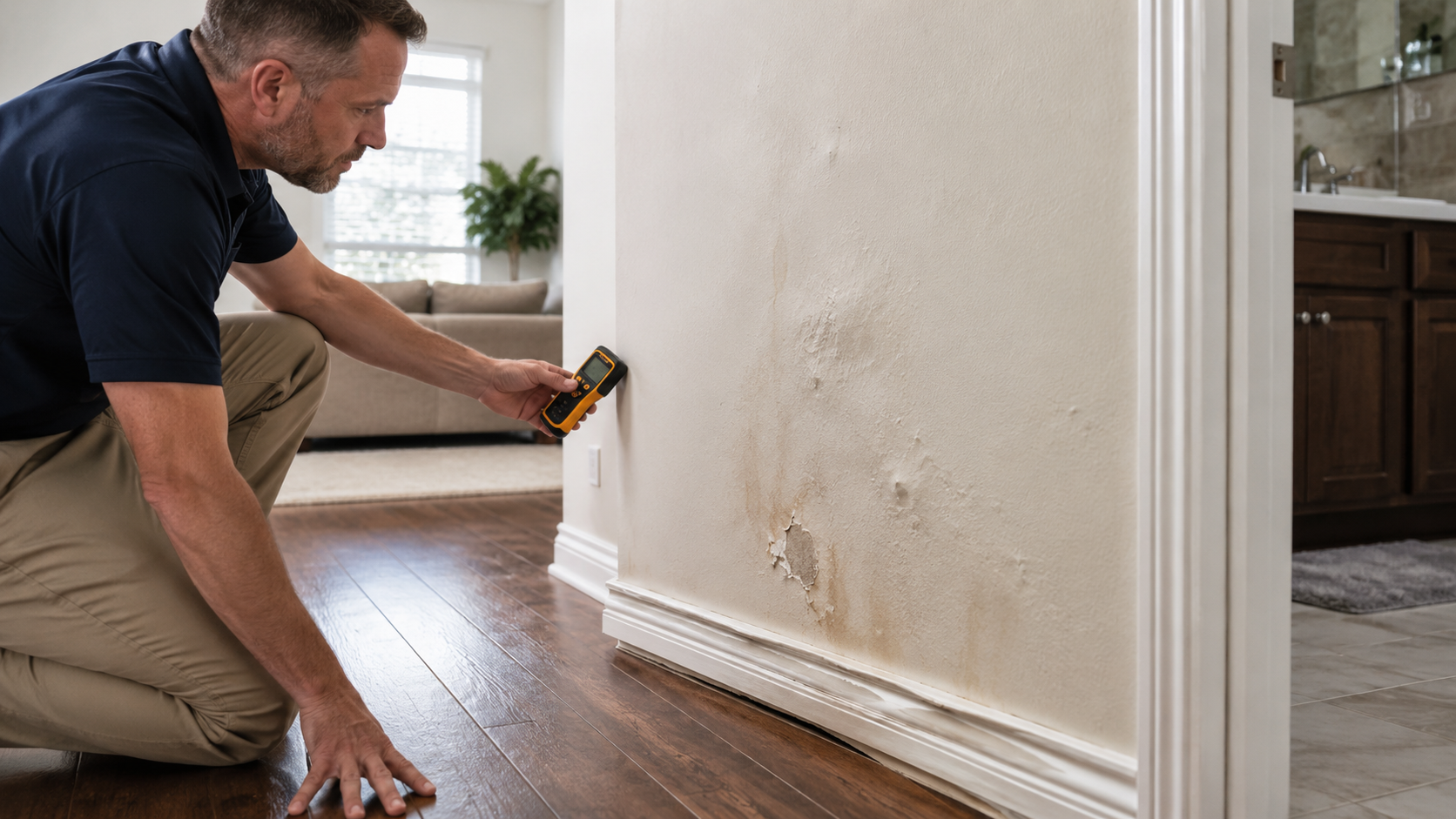
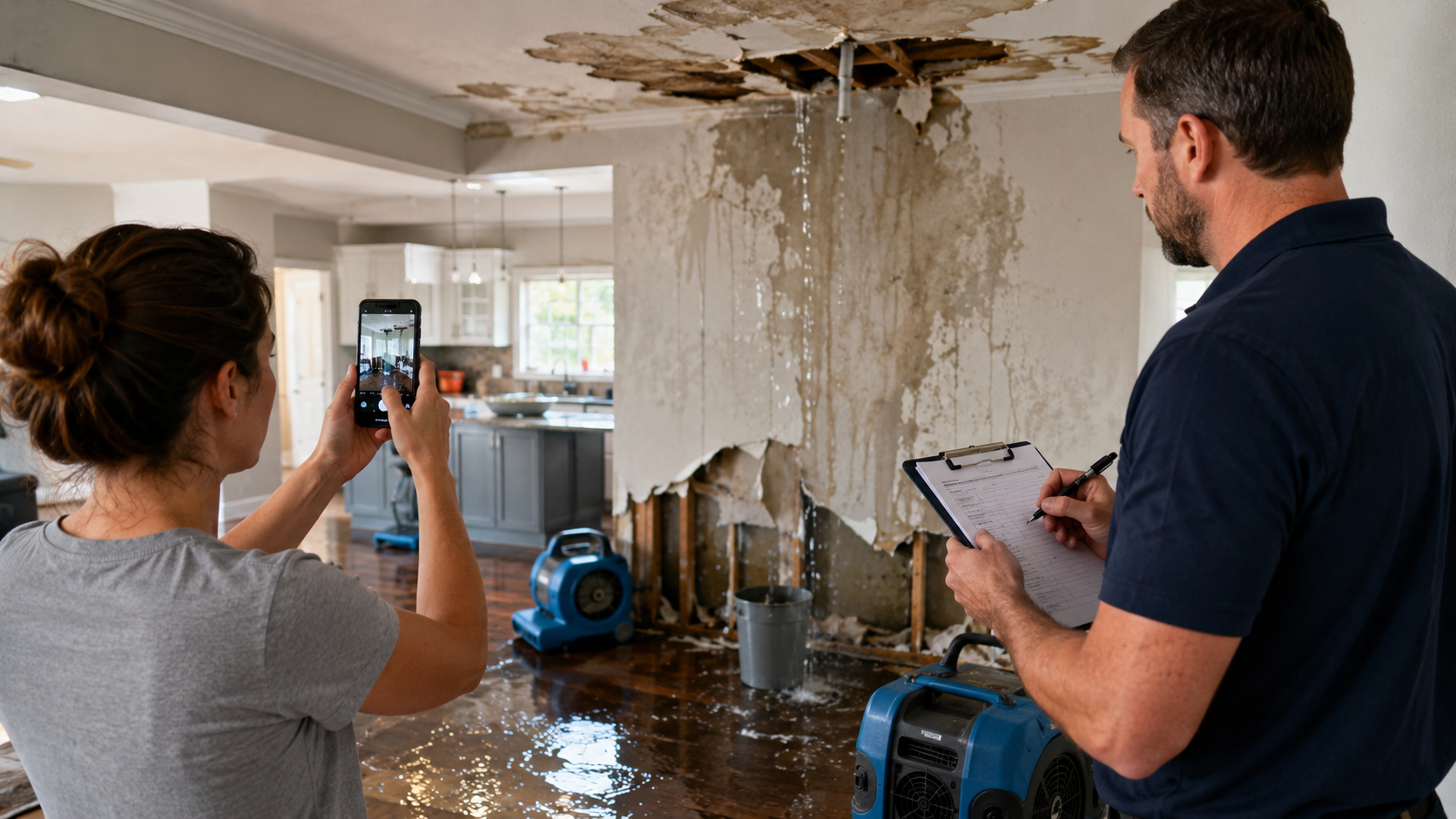
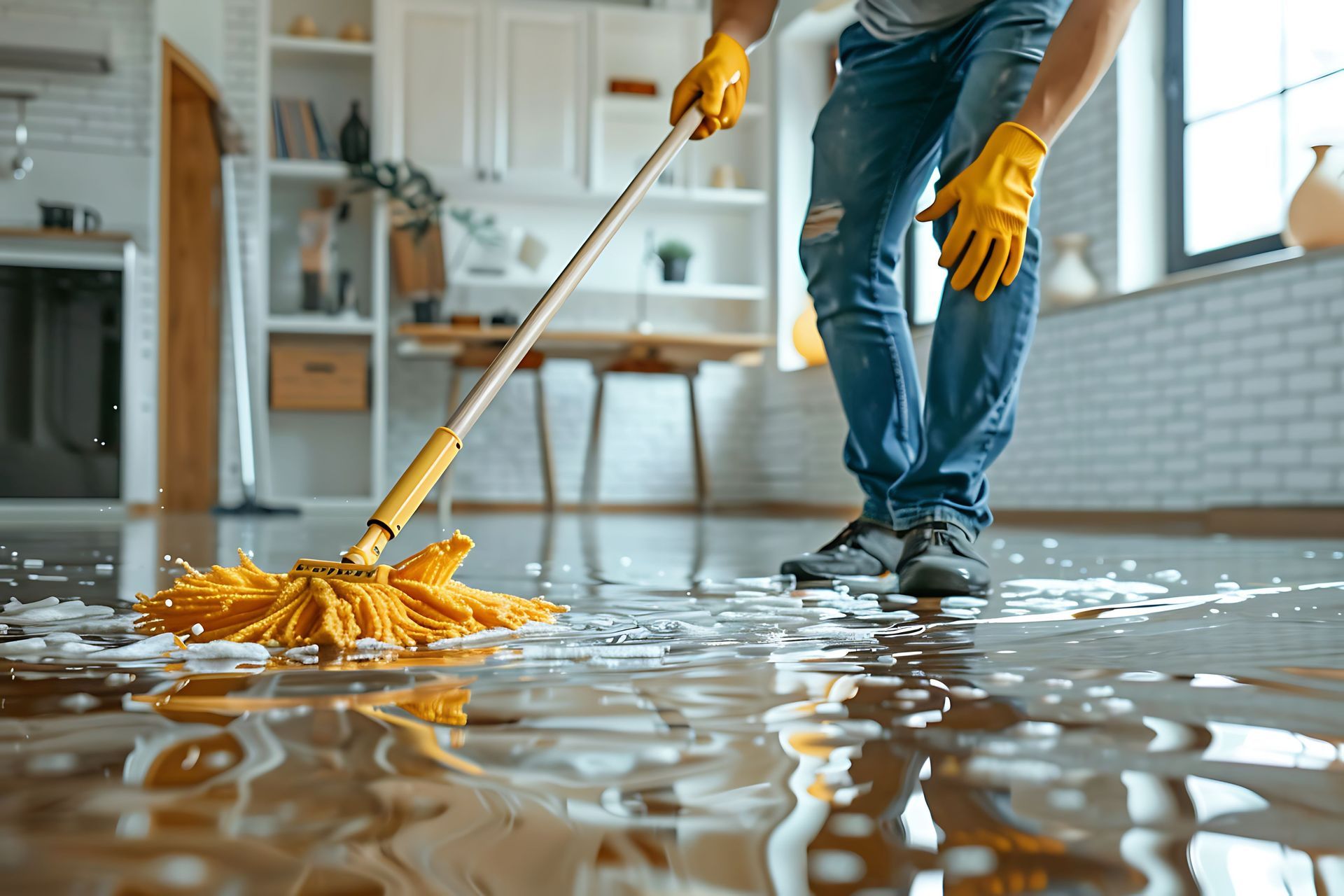
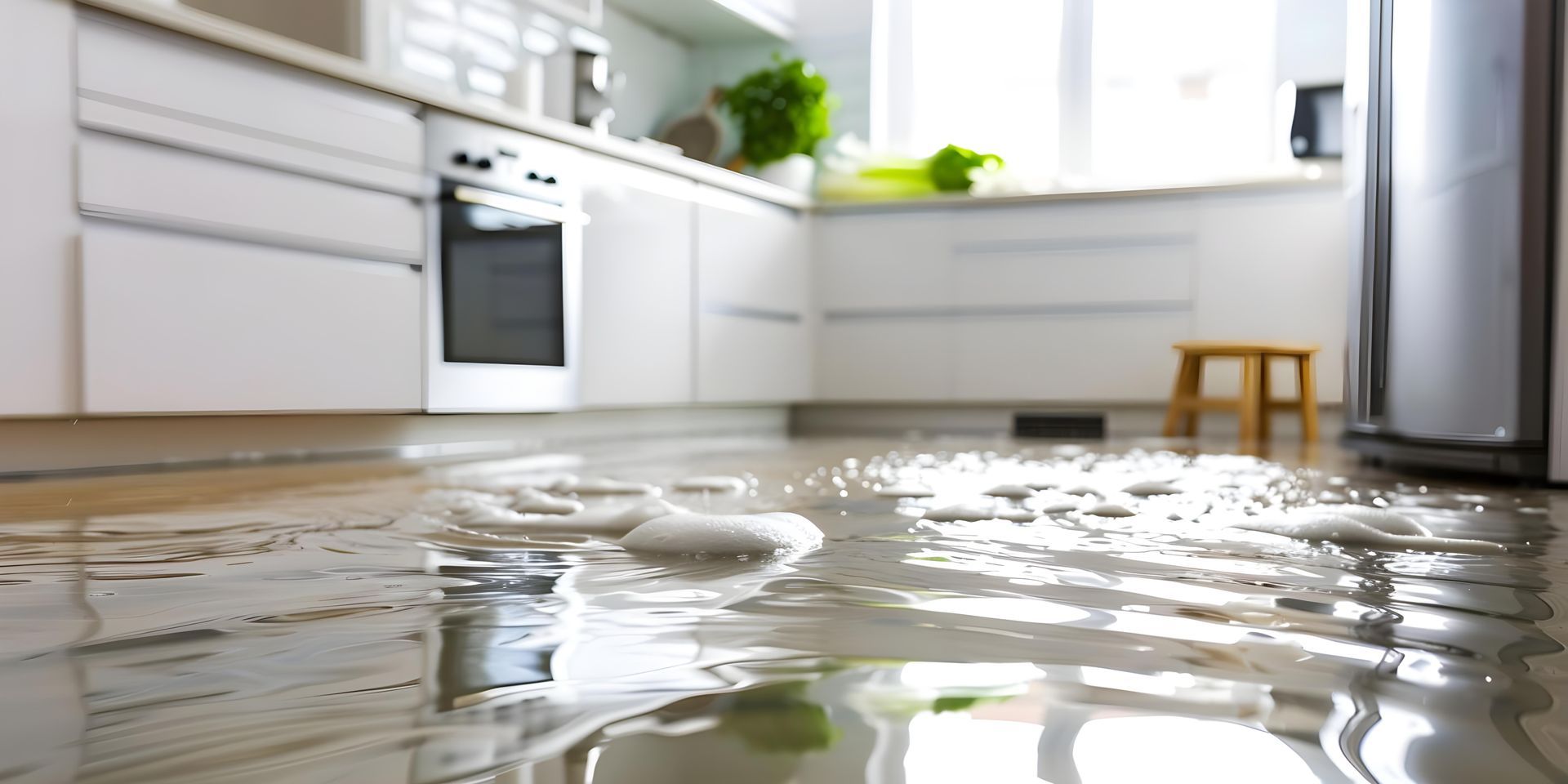
Firefighting Can Create Water Damage
Water is another important part of many fire restoration projects.
The water or foam used to extinguish flames can soak building materials throughout the property.
A fire upstairs may lead to water damage downstairs.
Affected areas can include:
- Ceilings
- Drywall
- Flooring
- Cabinets
- Insulation
- Furniture
This means a single fire event can require both fire damage restoration and water damage restoration.
Ignoring the water portion of the loss can leave moisture trapped inside the property after the burned materials have been removed.
Personal Property Can Also Be Damaged
Fire restoration does not stop with the building.
Smoke and soot may affect household contents such as:
- Furniture
- Clothing
- Electronics
- Kitchenware
- Books
- Decorations
- Artwork
- Personal belongings
Homeowners should avoid discarding items too quickly when conditions allow.
Photograph damaged property before disposal, particularly when an insurance claim is involved.
What Happens During Fire Damage Restoration?
The exact process depends on the severity of the fire, but professional restoration may include the following stages.
Damage Assessment
Technicians evaluate direct fire damage along with smoke, soot, odor, and water damage.
Emergency Protection
Openings or vulnerable portions of the property may require temporary protection.
Debris Removal
Burned and unsalvageable materials may be removed from the affected areas.
Smoke and Soot Cleaning
Specialized cleaning techniques are used on recoverable materials and surfaces.
Odor Treatment
Professional deodorization can address lingering smoke odors.
Water Removal and Drying
If firefighting efforts caused water damage, affected areas may also require extraction and structural drying.
Reconstruction
Walls, flooring, cabinetry, structural components, and other damaged materials can be repaired or replaced as necessary.
Elite Restoration New Hampshire offers both fire-damage restoration and reconstruction services, allowing restoration work to extend from initial cleanup through repair of damaged building materials.
Why Fast Fire Restoration Matters
Once fire officials have determined that the property is safe to enter, restoration should begin promptly.
Smoke residue, soot, water, and damaged materials can continue affecting the property even after the fire is out.
An early professional assessment can help determine:
- What can be cleaned
- What should be removed
- Which areas contain smoke contamination
- Whether water damage is present
- What reconstruction is needed
Document the Fire Damage
Take photographs and videos when it is safe to do so.
Document:
- Direct burn damage
- Smoke staining
- Soot deposits
- Water damage
- Furniture
- Personal belongings
- Structural damage
Save receipts for temporary repairs and other fire-related expenses.
Keeping records throughout the restoration process may make insurance communications easier.
Elite Restoration New Hampshire states that it works with insurance carriers, offers direct insurance billing, and assists with damage documentation.
Fire Damage Restoration in Plymouth, NH
Elite Restoration New Hampshire lists Plymouth among its service locations and offers fire and smoke cleanup throughout the state. The company identifies its restoration technicians as IICRC-certified and provides 24/7 emergency response.
Its fire restoration services include:
- Fire damage cleanup
- Smoke cleanup
- Soot removal
- Odor control
- Structural deodorization
- Reconstruction
- Related water-damage restoration
For homeowners and businesses in Plymouth, one restoration team can address the multiple types of damage that frequently follow a fire.
Need Fire Damage Restoration in Plymouth?
A fire can leave damage throughout a property even when the flames were limited to one room.
Smoke, soot, odors, water, and damaged building materials all need to be evaluated as part of the recovery process.
If your property has suffered fire damage in Plymouth, NH, contact Elite Restoration New Hampshire for professional fire and smoke cleanup, odor removal, reconstruction, and related restoration services.
Frequently Asked Questions
Does fire damage restoration include smoke cleanup?
Yes. Professional fire restoration can include smoke residue, soot, and odor removal in addition to direct fire-damage repairs.
Can water damage occur during a fire?
Yes. Water used during firefighting can affect ceilings, walls, flooring, insulation, furniture, and other materials.
Does Elite Restoration New Hampshire serve Plymouth?
Yes. Plymouth is listed among the company's New Hampshire service areas.