Water Damage Restoration in Dover, NH
Water Damage Restoration in Dover, NH: Why Hidden Moisture Can Cause Bigger Problems Than the Original Leak
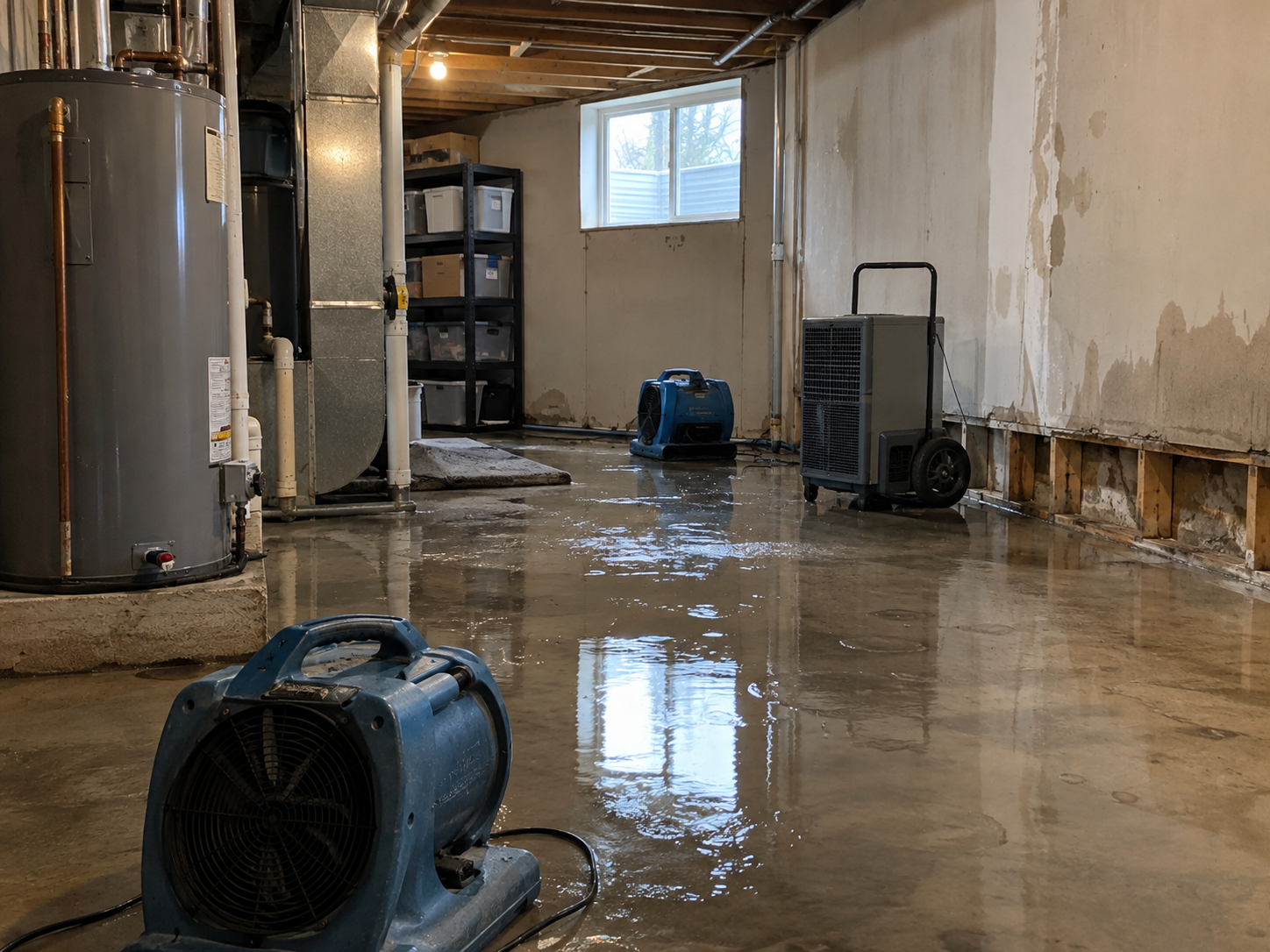
A leaking pipe, overflowing appliance, roof problem, or flooded basement can leave obvious water throughout a home.
But visible water is often only part of the problem.
Moisture can travel underneath flooring, behind baseboards, inside walls, through insulation, and beneath cabinets. Even after the floor looks dry, water may remain trapped inside building materials.
For property owners dealing with water damage in Dover, New Hampshire, identifying and removing that hidden moisture can be one of the most important parts of the restoration process.
Elite Restoration New Hampshire provides professional water damage cleanup and restoration in Dover, including emergency response, moisture inspections, drying, mold services, and reconstruction.
Where Does Water Damage Usually Come From?
Water damage can happen suddenly or develop gradually.
Common causes include:
- Burst or frozen pipes
- Plumbing leaks
- Water heater failures
- Appliance supply-line leaks
- Overflowing sinks and tubs
- Toilet overflows
- Roof leaks
- Basement flooding
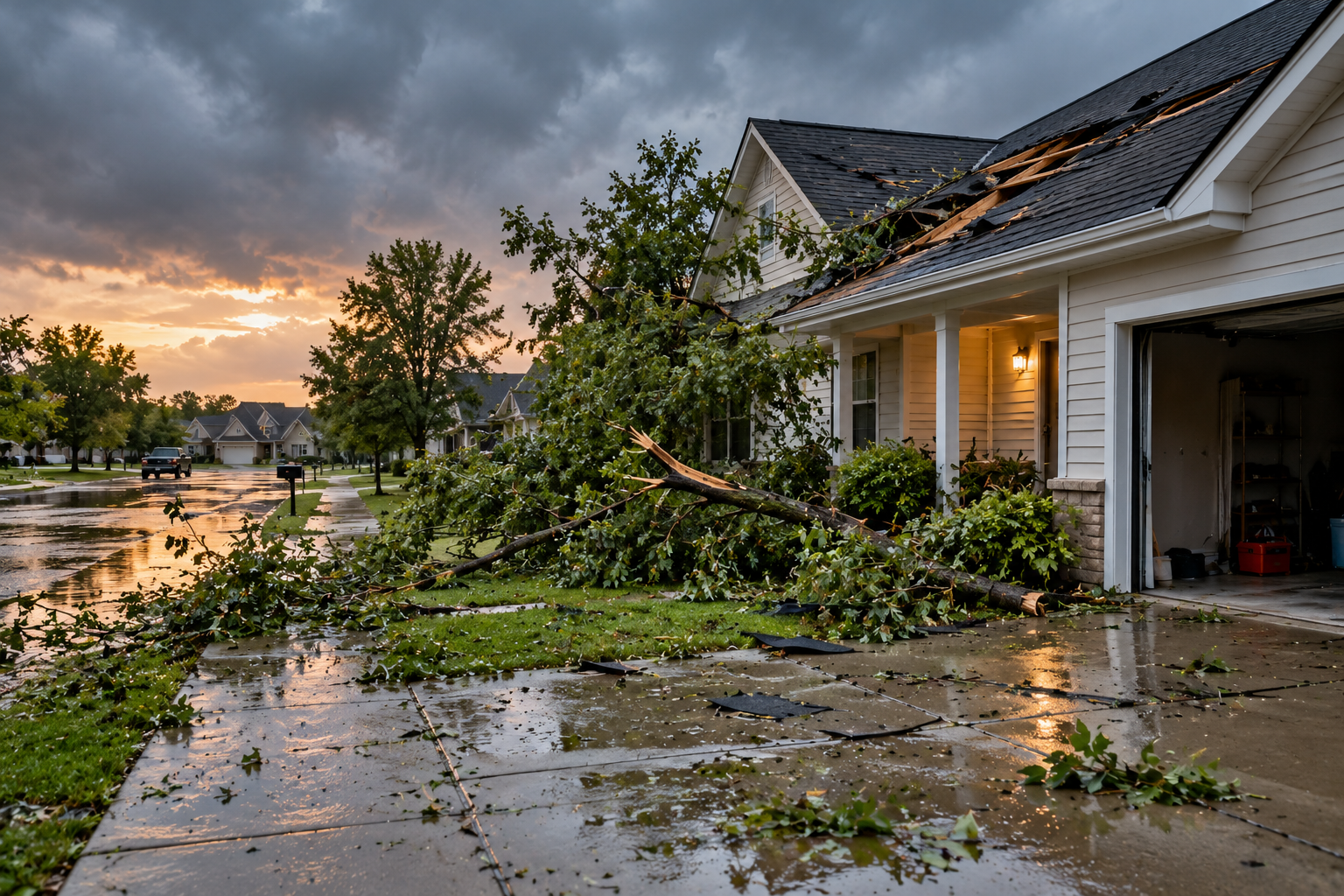
- Storm-related water intrusion
- Drain or sewage backups
Some situations create inches of standing water.
Others may begin as a slow leak that remains hidden until a homeowner notices stains, damaged flooring, peeling paint, or a musty odor.
Regardless of the source, the key is determining how far the moisture traveled.
Why Visible Water Doesn't Tell the Whole Story
Imagine a dishwasher supply line begins leaking overnight.
By morning, there may only be a small puddle visible in front of the appliance.
However, water may already have spread:
- Under kitchen cabinets
- Beneath flooring
- Behind baseboards
- Into drywall
- Into adjoining rooms
Simply wiping up the visible water does not address the moisture trapped underneath those materials.
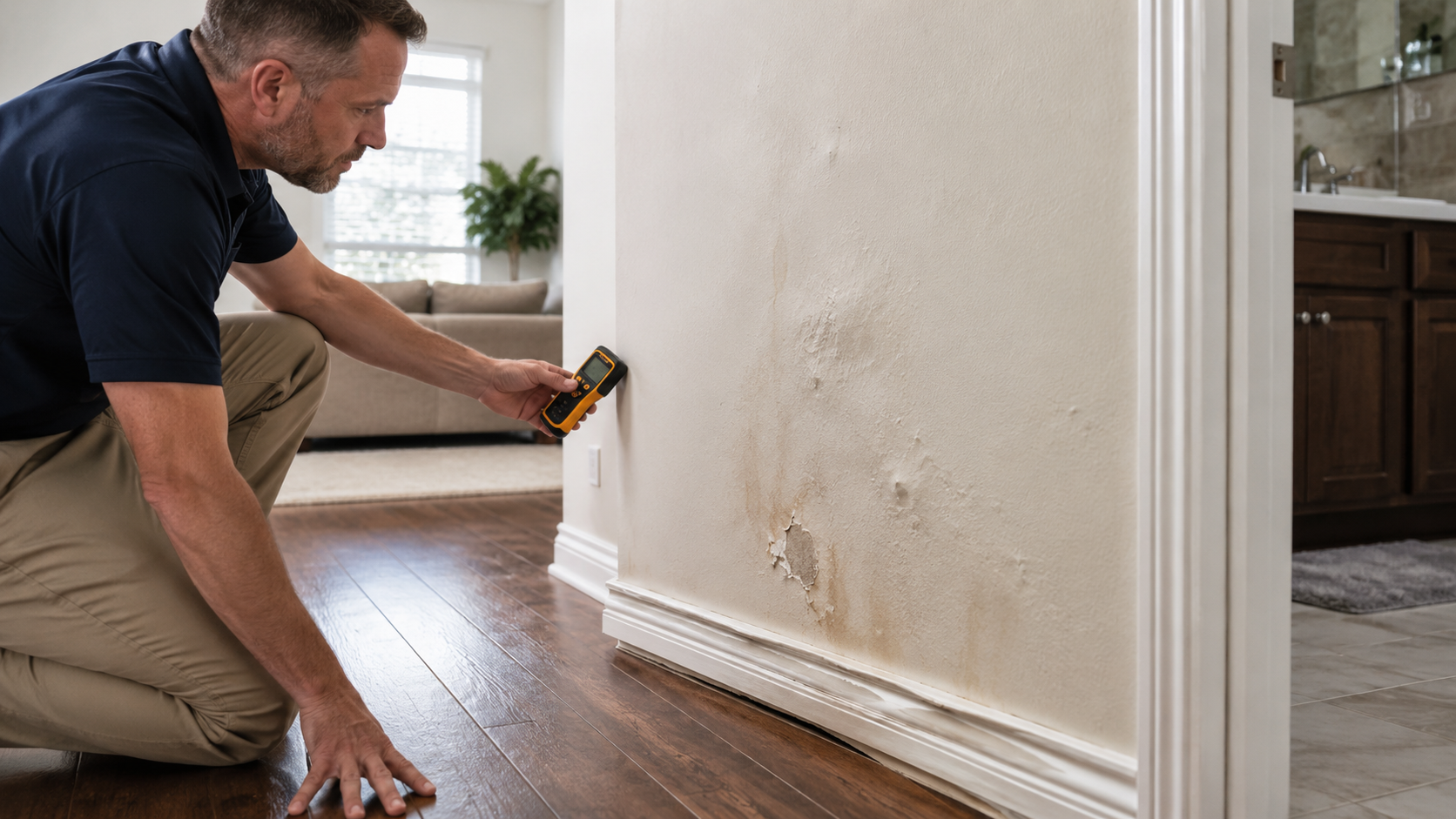
This is why professional water damage restoration in Dover, NH often includes moisture detection in addition to water extraction.
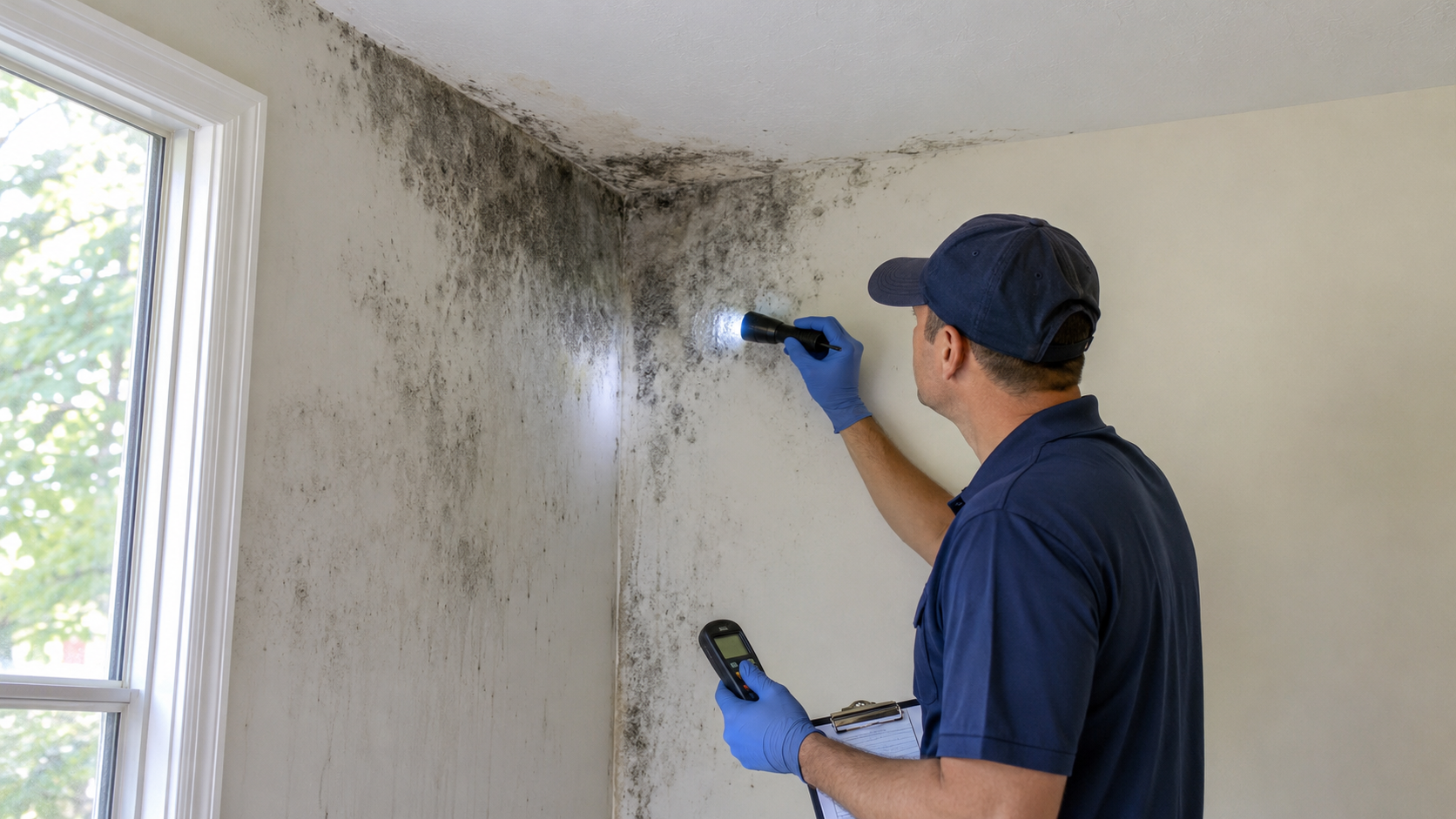
Elite Restoration New Hampshire states that its technicians use moisture inspections and thermal imaging as part of its water-damage services.
Hidden Moisture Can Damage Building Materials
Building materials react differently when exposed to water.
Drywall
Drywall can absorb moisture quickly. Depending on the extent and category of water involved, affected sections may require drying or removal.
Flooring
Hardwood, laminate, carpet, and other flooring materials can trap water beneath the finished surface.
Cabinets
Cabinet bases and engineered wood products may swell or deteriorate after prolonged exposure.
Insulation
Wet insulation can hold moisture inside walls and ceilings where homeowners cannot easily see it.
Wood Framing
Structural materials may remain damp long after surrounding surfaces appear dry.
Professional drying focuses on reducing moisture inside these materials rather than simply improving the appearance of the room.
Signs You May Have Hidden Water Damage
Water damage is not always obvious.
Watch for warning signs such as:
- Discoloration on walls or ceilings
- Warped flooring
- Swollen baseboards
- Bubbling paint
- Soft drywall
- Musty odors
- Damp cabinets
- Unexplained humidity
- Mold-like spotting
A ceiling stain, for example, could be the final point where water became visible after traveling through roofing materials, insulation, or framing.
The visible stain may represent only a small portion of the affected area.
Basement Water Damage Can Be Especially Difficult
Basements are another common location where hidden moisture becomes a concern.
Standing water can affect much more than concrete flooring.
Finished basements may contain:
- Drywall
- Insulation
- Carpet
- Flooring
- Furniture
- Wood framing
- Stored belongings
Even unfinished areas can retain moisture along foundation walls and inside building materials.
Professional extraction followed by structural drying helps reduce the chance that moisture remains trapped after the standing water is removed.
What Does Professional Water Damage Restoration Involve?
Every loss is different, but restoration often includes several stages.
1. Damage Assessment
The restoration team determines where the water came from and which areas were affected.
2. Water Extraction
Standing water is removed using professional extraction equipment.
3. Moisture Detection
Technicians identify water that may have traveled behind finished surfaces.
4. Removal of Unsalvageable Materials
Certain materials may require removal depending on their condition and the type of water involved.
5. Drying and Dehumidification
Professional air movers and dehumidification equipment help remove remaining moisture.
6. Monitoring
Moisture levels can be checked throughout the drying process to determine when affected materials have reached acceptable conditions.
7. Cleaning and Restoration
Affected areas are cleaned, and repairs or reconstruction can begin as needed.
Elite Restoration New Hampshire describes water extraction, drying, dehumidification, mold remediation when necessary, and repairs as key stages of its restoration process.
Water Damage and Mold Often Go Hand in Hand
One reason rapid drying is important is the potential for mold growth.
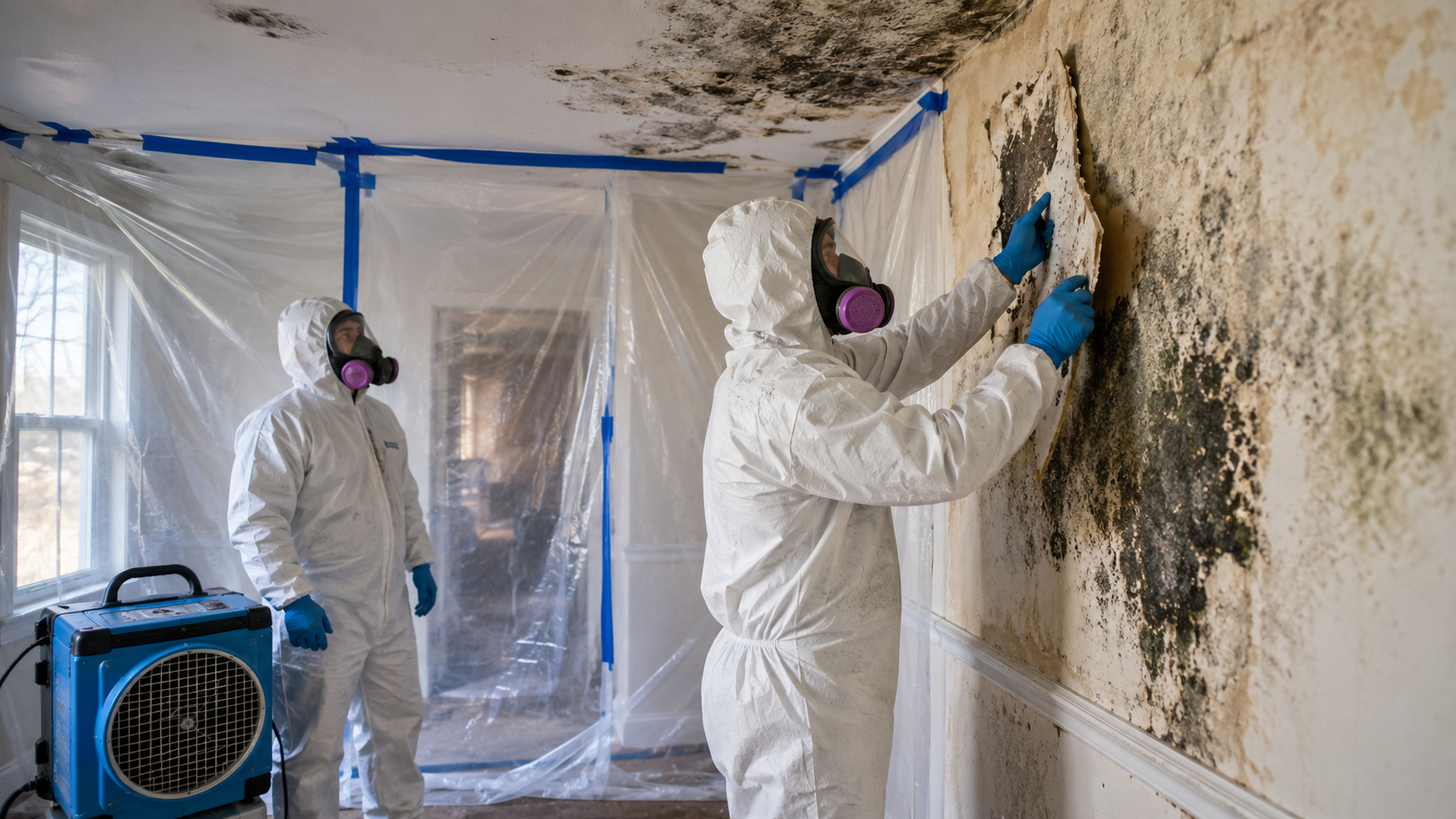
If moisture remains trapped behind walls, underneath flooring, or inside insulation, mold can become another restoration concern.
Homeowners may notice:
- Musty odors
- Dark spotting
- Discoloration
- Recurring dampness
The source of moisture needs to be addressed along with any mold contamination.
Elite Restoration New Hampshire provides both water damage restoration and mold removal services and offers mold and moisture inspections as part of its restoration services.
What Should You Do Immediately After Water Damage?
When it is safe to do so:
- Stop the source of water if possible.
- Avoid areas where water may contact electrical systems.
- Move valuables away from the affected area.
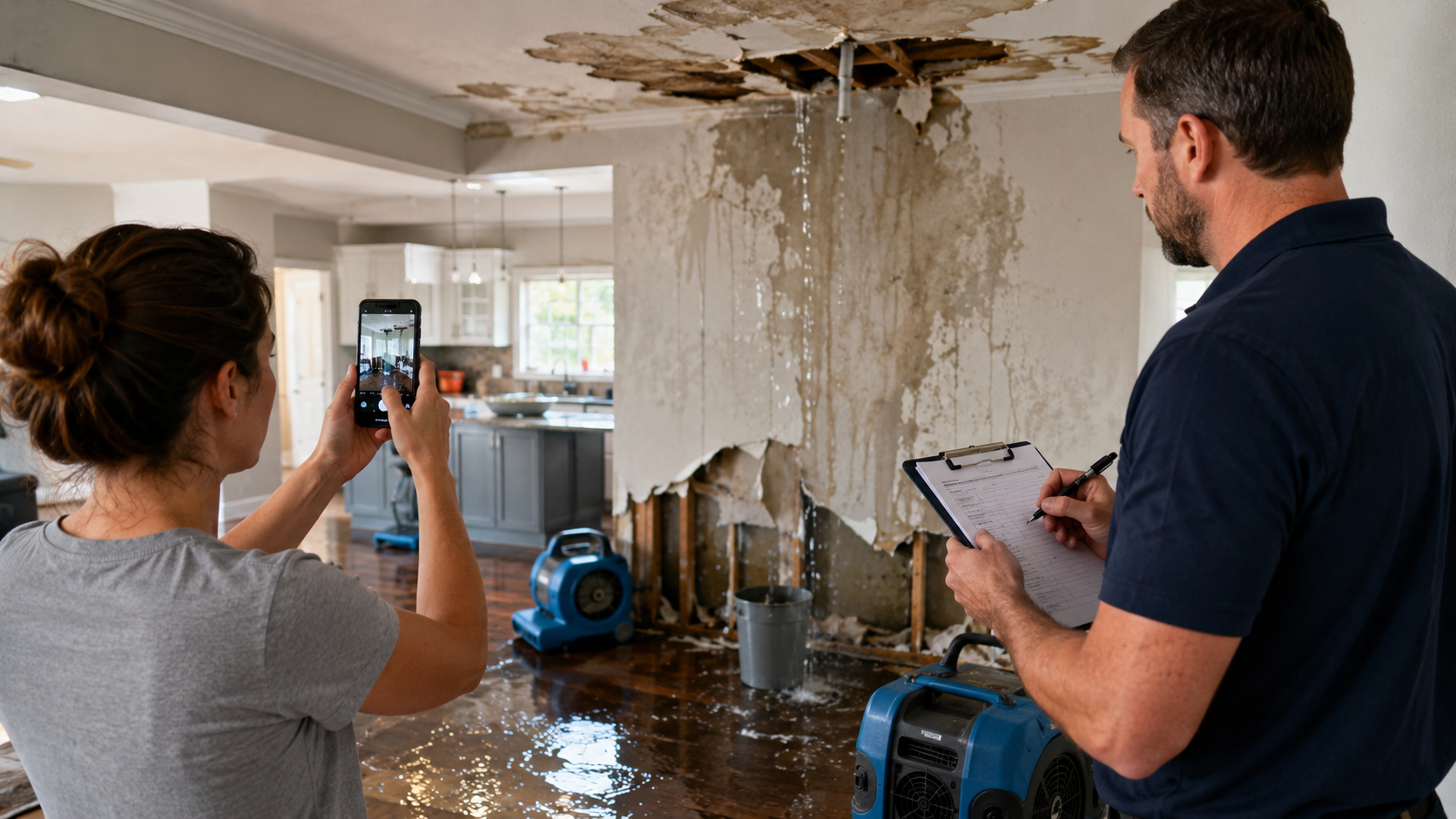
- Photograph the damage.
- Contact a professional restoration company.
Do not assume that household fans alone will dry water that has entered walls, cabinets, insulation, or subflooring.
Document the Damage
Photos and videos can be useful when filing an insurance claim.
Document:
- The water source
- Standing water
- Flooring damage
- Ceiling and wall stains
- Cabinets
- Furniture
- Personal property
- Areas exposed during demolition
Keep restoration invoices, plumbing reports, receipts, and other documents associated with the loss.
Elite Restoration New Hampshire states that it offers direct insurance billing and helps document property damage for insurance claims.
Water Damage Restoration Services in Dover, NH
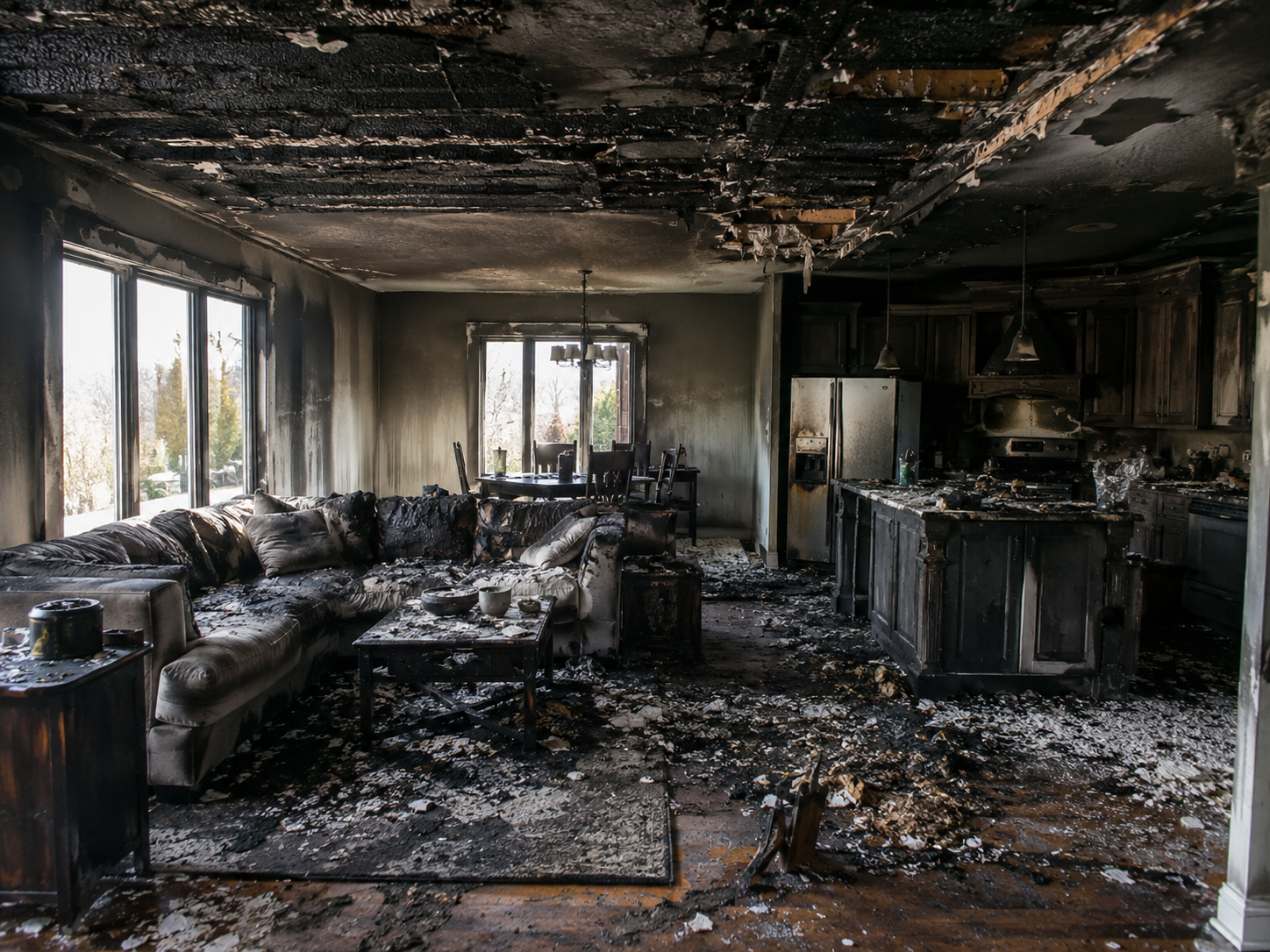
Elite Restoration New Hampshire has a dedicated Dover service page and provides water damage restoration, fire and smoke restoration, mold removal, odor control, and reconstruction services. Its site identifies its technicians as IICRC-trained and certified and advertises 24/7 emergency response.
Whether the problem is a burst pipe, flooded basement, appliance leak, roof leak, or another water emergency, the goal is not simply to remove the visible water.
The property needs to be properly dried.
Need Water Damage Restoration in Dover?
Hidden moisture can turn a manageable water loss into a much larger restoration project.
If your home or business has experienced water damage in Dover, NH, contact Elite Restoration New Hampshire for professional water extraction, moisture detection, drying, cleanup, and restoration.
Frequently Asked Questions
How quickly should water damage restoration begin?
As soon as it is safe. Delaying water removal and drying can allow additional building materials to become affected.
Can water remain underneath flooring?
Yes. Water can travel beneath finished flooring and into subflooring even after the surface appears dry.
Does Elite Restoration New Hampshire serve Dover?
Yes. Dover has a dedicated service page on the company's website and is included among its New Hampshire service locations.