Storm Damage Restoration in Concord, NH
Storm Damage Restoration in Concord, NH: What to Check After Wind, Heavy Rain, and Water Intrusion
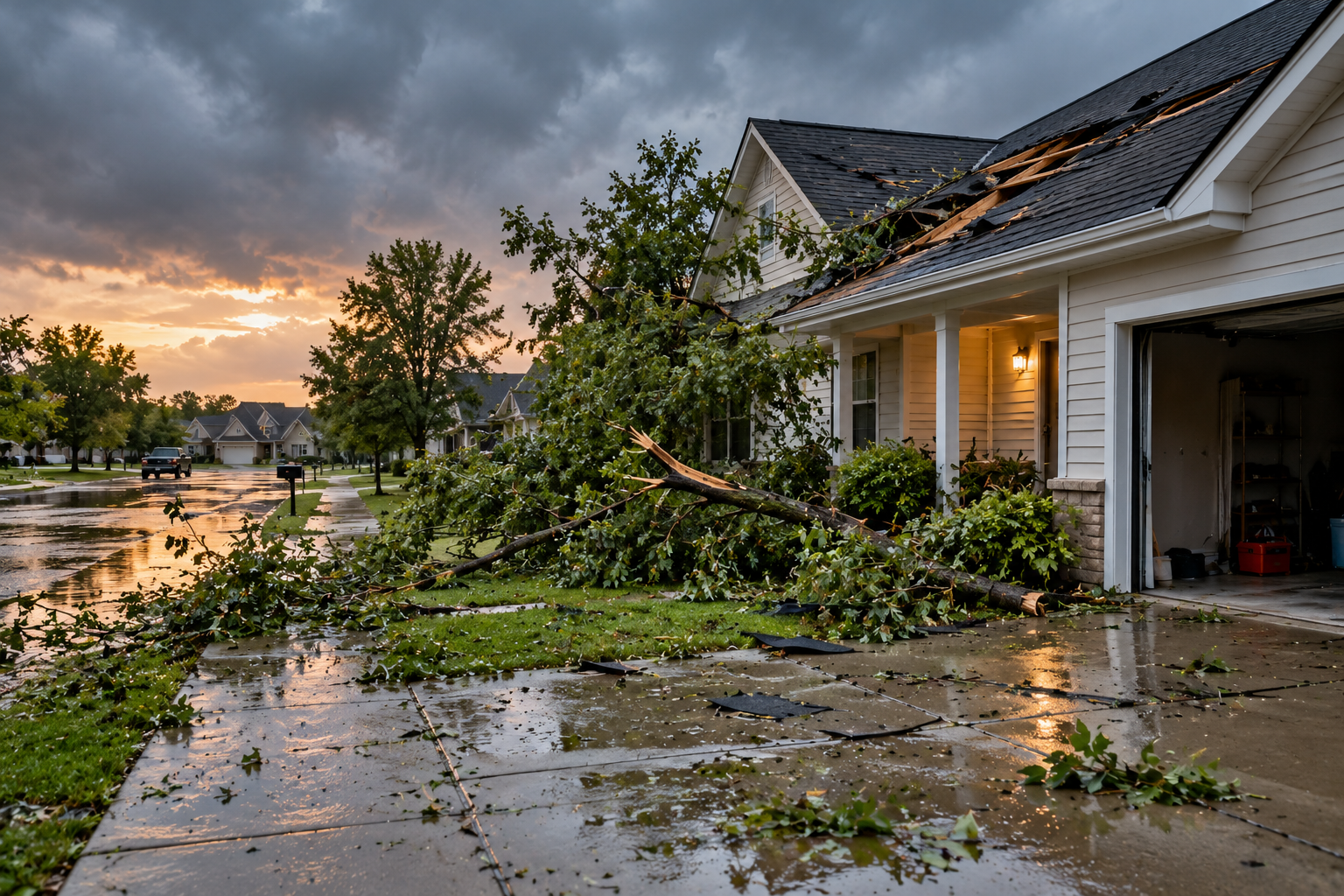
A severe storm can damage a property in several ways at the same time.
Wind may loosen roofing materials. Heavy rain can enter through a damaged roof or exterior opening. Water may move into an attic, ceiling, wall cavity, or basement before the homeowner notices anything is wrong.
For homeowners and businesses in Concord, New Hampshire, the damage that is easiest to see immediately after a storm is not always the damage that requires the most restoration work.
Professional storm damage restoration in Concord, NH should address both the obvious exterior damage and any water that has entered the building.
Elite Restoration New Hampshire provides 24/7 emergency restoration services in Concord, including water cleanup, mold remediation, sewage cleanup, and reconstruction.
Storm Damage Often Starts Outside and Spreads Inside
A storm does not need to tear off an entire roof to allow water into a home.
Wind and rain may affect:
- Roofing shingles
- Flashing
- Gutters
- Siding
- Windows
- Exterior doors
- Roof penetrations
- Attic vents
A relatively small opening can allow rainwater to enter the structure.
Once inside, that moisture can travel along framing, insulation, drywall, and other building materials.
That is why a ceiling stain may appear several feet away from the actual roof damage.
Look for Signs of Roof Damage After a Storm
When conditions are safe, homeowners can visually inspect the property from the ground.
Signs that the roof may have been affected include:
- Missing shingles
- Lifted roofing materials
- Damaged flashing
- Fallen branches
- Gutter damage
- Pieces of roofing material on the ground
Do not climb onto a wet or damaged roof.
Roofing systems can become unstable after significant storm damage, and professional inspection is the safer option.
Don't Ignore Small Ceiling Stains
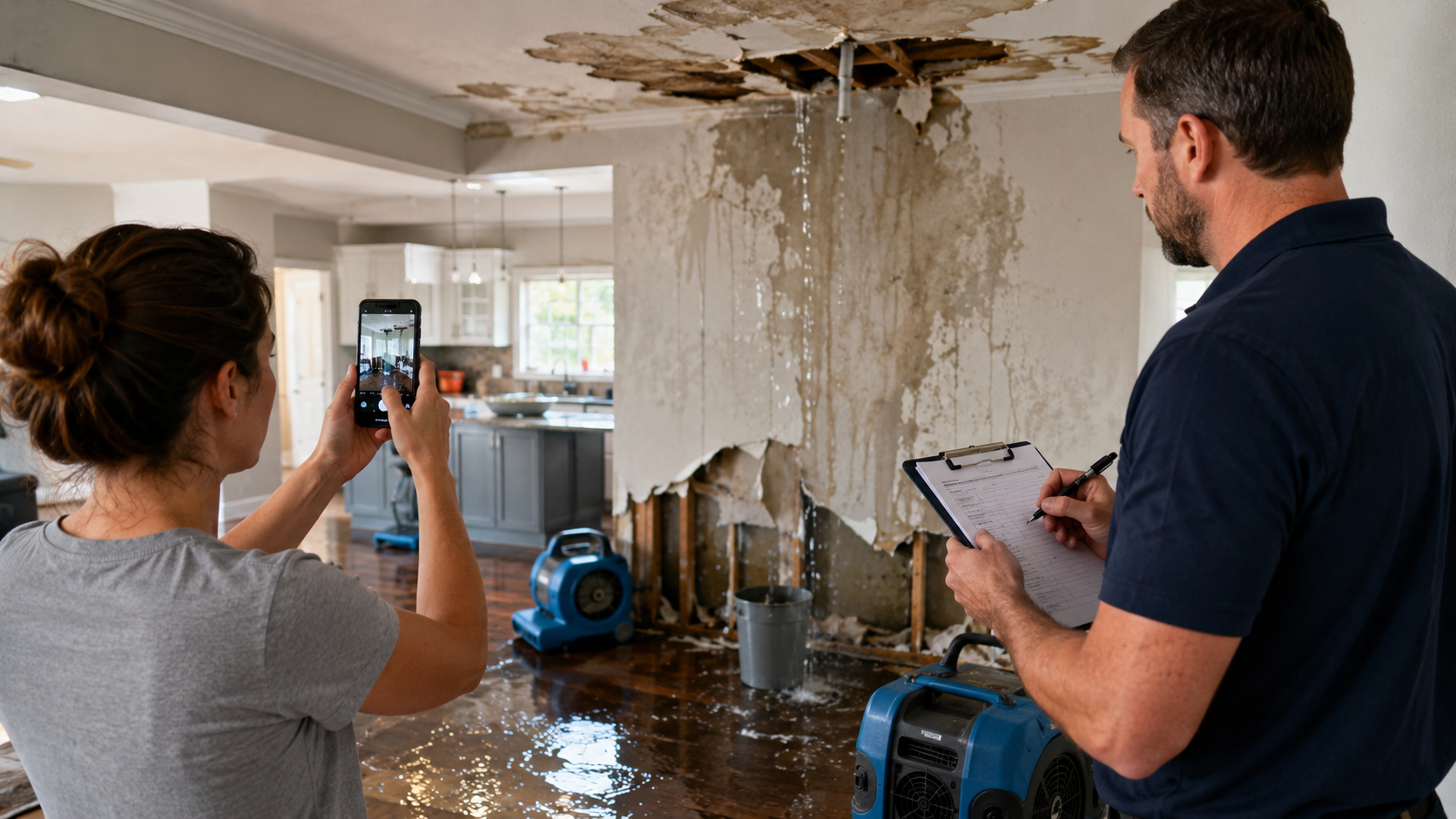
One of the first interior signs of storm-related water intrusion is often a ceiling stain.
A small brown or yellow mark may seem minor, but the visible stain does not necessarily show how much material became wet.
Water may have already affected:
- Attic insulation
- Roof decking
- Ceiling drywall
- Wall cavities
- Electrical areas
- Framing
If the stain continues growing after the storm has ended, moisture may still be entering the property.
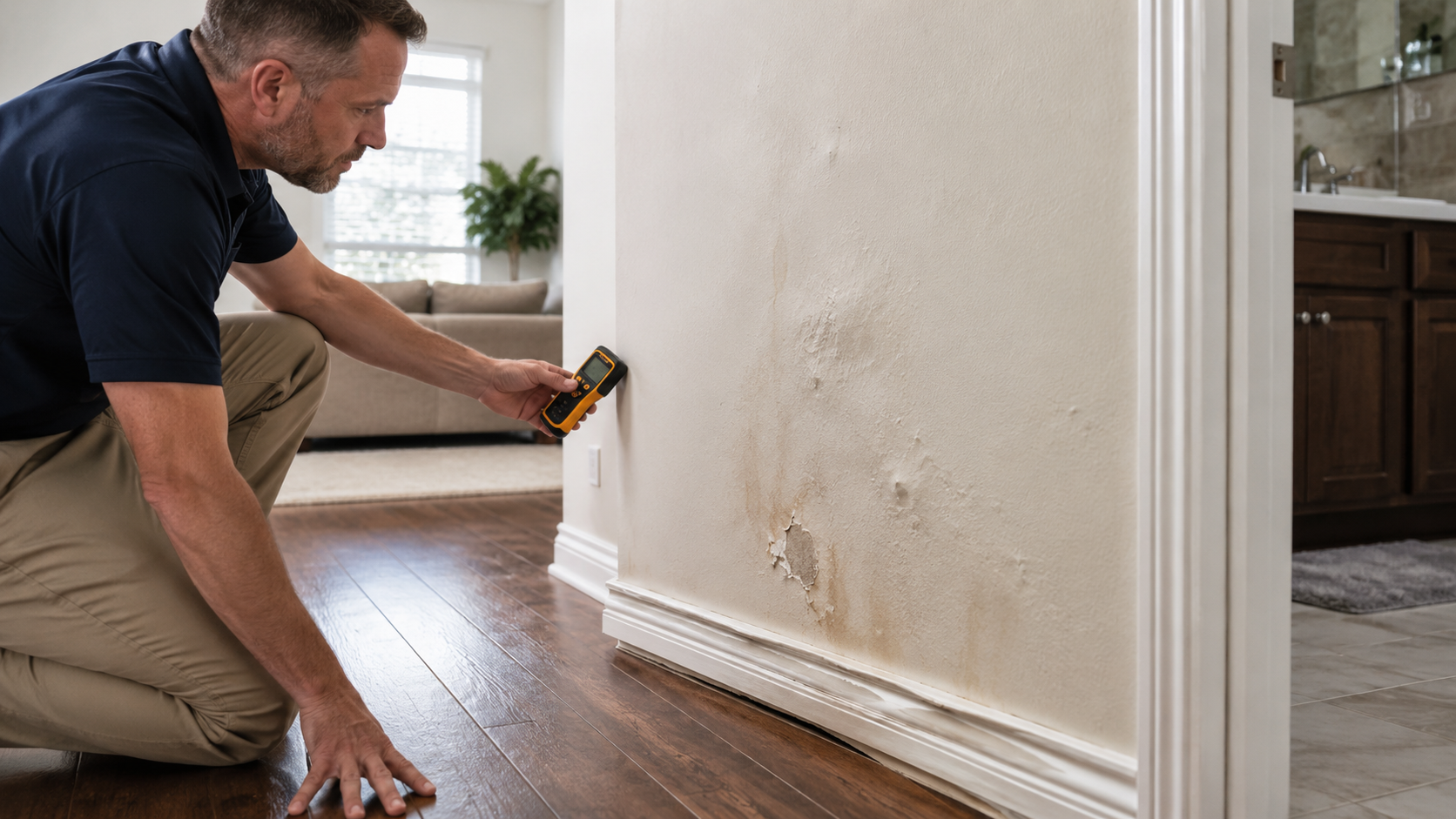
Professional moisture inspection can help determine how far the water traveled.
Elite Restoration New Hampshire advertises moisture inspections and thermal imaging as part of its restoration services.
Water Can Travel Through Walls Before You See It
Water follows the path of least resistance.
After entering through the roof or exterior wall, it may travel along framing before becoming visible somewhere else.
Homeowners should watch for:
- Peeling paint
- Bubbling drywall
- Soft wall surfaces
- Swollen baseboards
- Warped flooring
- Damp closets
- Musty odors
These conditions may indicate that moisture is present behind the finished surface.
Simply repainting a stain will not correct the underlying water problem.
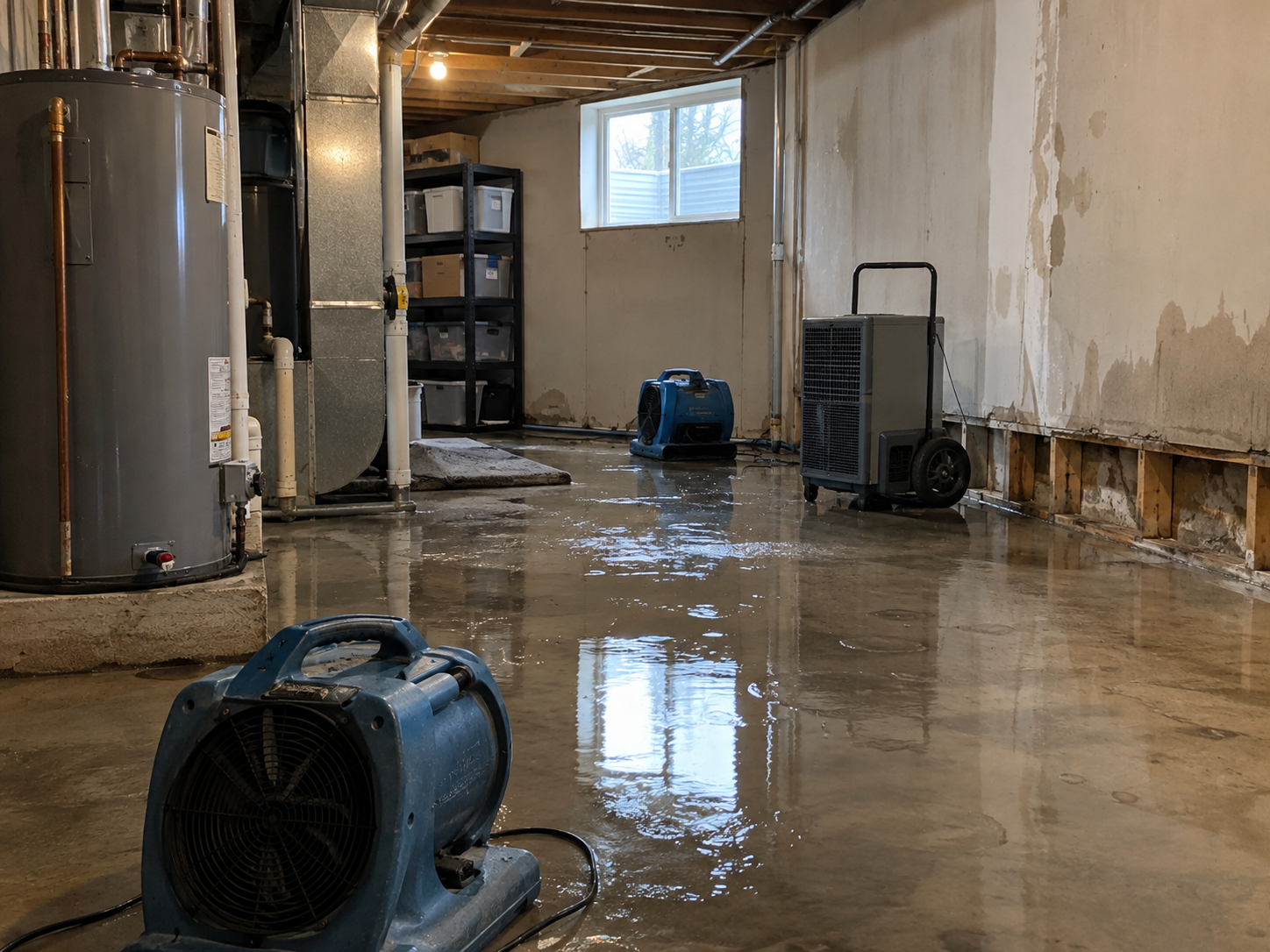
Storms Can Also Cause Basement Water Damage
Roof leaks are only one part of storm restoration.
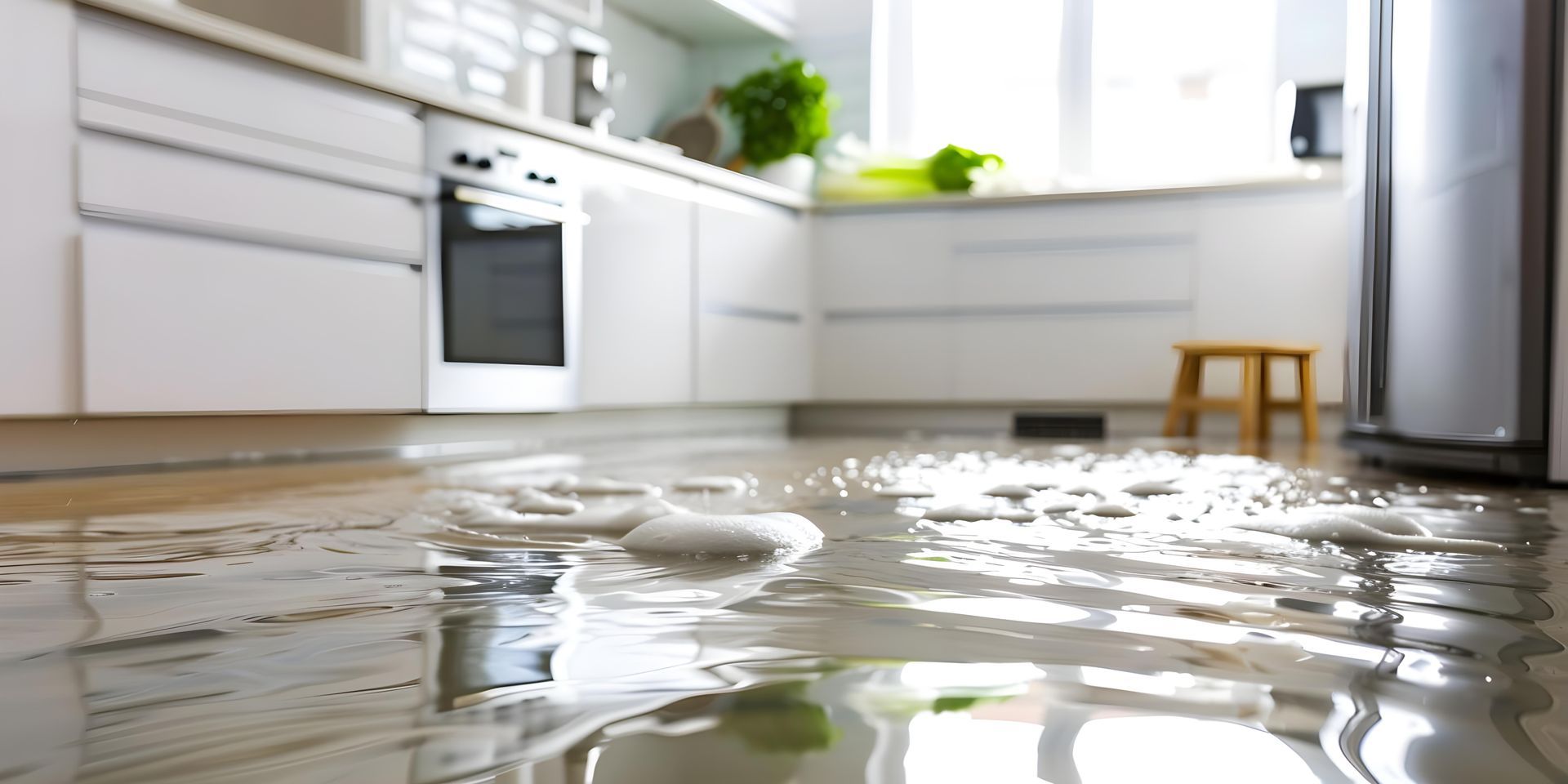
Heavy rain may also contribute to water entering basements or lower areas of the property.
A flooded or partially flooded basement may affect:
- Carpet
- Flooring
- Drywall
- Insulation
- Furniture
- Stored belongings
- Wood framing
Removing standing water is important, but extraction alone is not the complete restoration process.
Building materials that absorbed moisture also need to be properly dried.
What Happens During Storm Damage Restoration?
Every storm loss is different, but professional restoration may involve several stages.
1. Emergency Assessment
The restoration team evaluates where water entered, which areas were affected, and whether immediate protective measures are needed.
2. Water Extraction
If standing water is present, professional equipment can be used to remove it.
3. Moisture Inspection
Areas that appear dry may still contain hidden moisture.
Walls, ceilings, flooring, and other building materials can be evaluated to determine the extent of the damage.
4. Structural Drying
Professional air movers and dehumidifiers help remove moisture from affected materials.
5. Damaged Material Removal
Some insulation, drywall, flooring, or other materials may require removal depending on their condition.
6. Cleaning and Sanitizing
Affected areas can be cleaned as part of the restoration process.
7. Reconstruction
Once the property has been properly dried and cleaned, repairs can begin.
Elite Restoration New Hampshire provides water extraction, drying, mold remediation when necessary, and reconstruction for property damage.
Why Structural Drying Matters After a Storm
A room can look dry while moisture remains inside the structure.
Water may remain:
- Under flooring
- Behind drywall
- Under cabinets
- Inside insulation
- Behind baseboards
Leaving these areas wet can cause additional deterioration and create conditions that allow mold to develop.
Professional drying uses controlled air movement and dehumidification to address moisture throughout the affected area.
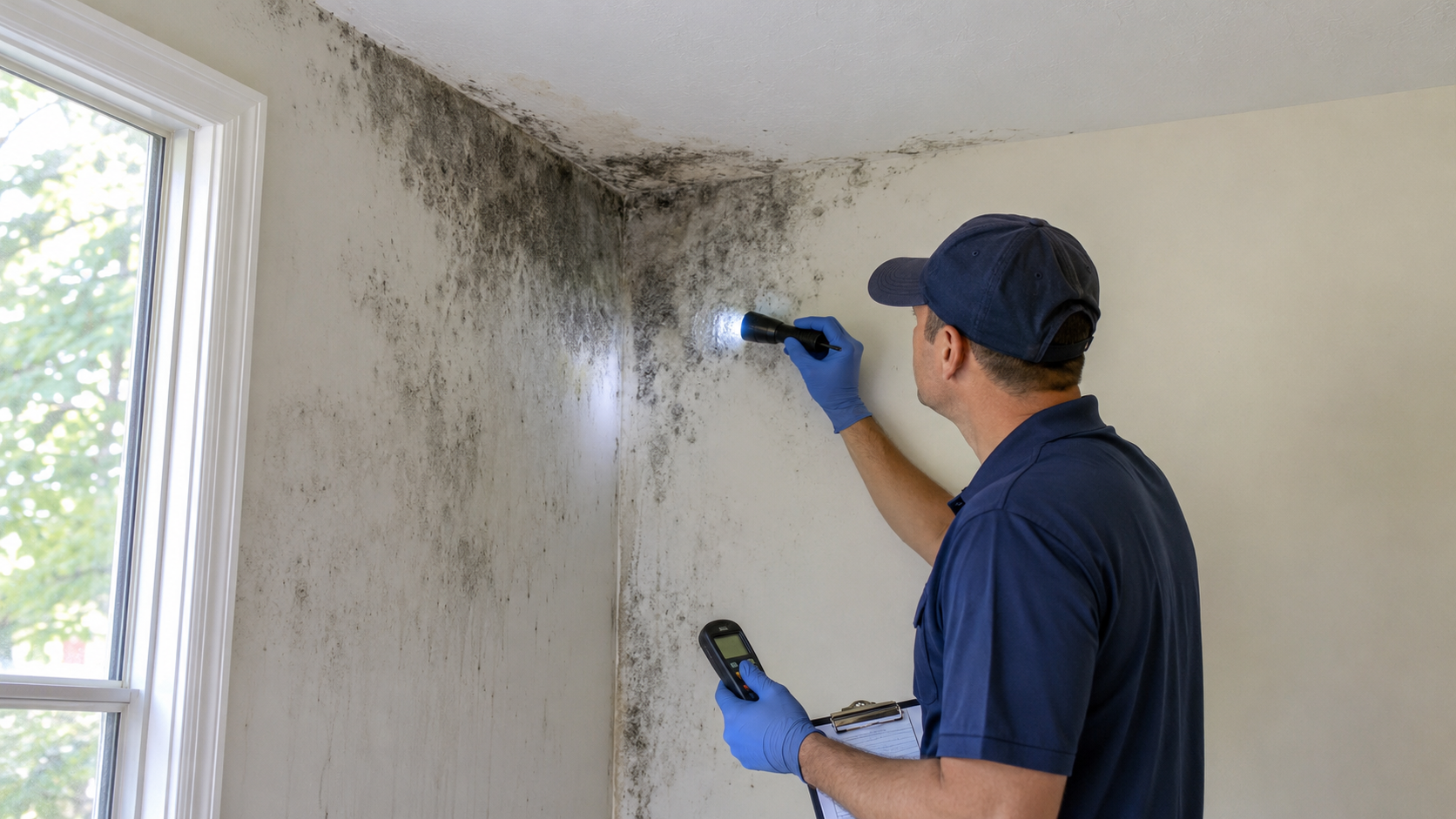
Storm Damage Can Lead to Mold
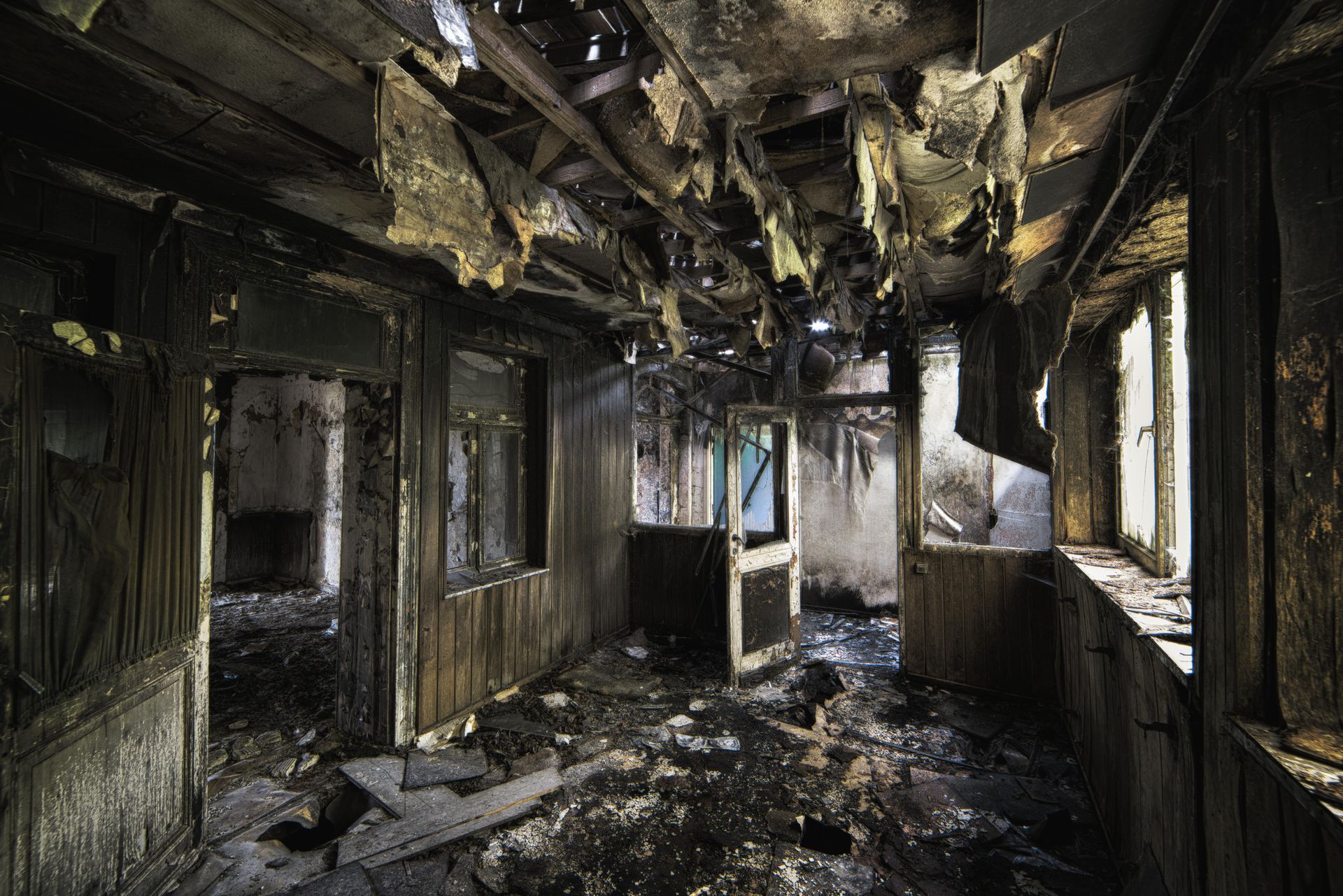
A storm may last only a few hours, but moisture can remain inside a property much longer.
When damp materials are not properly dried, mold can become another concern.
Watch for:
- Musty odors
- Dark or discolored spots
- Persistent dampness
- Recurring staining
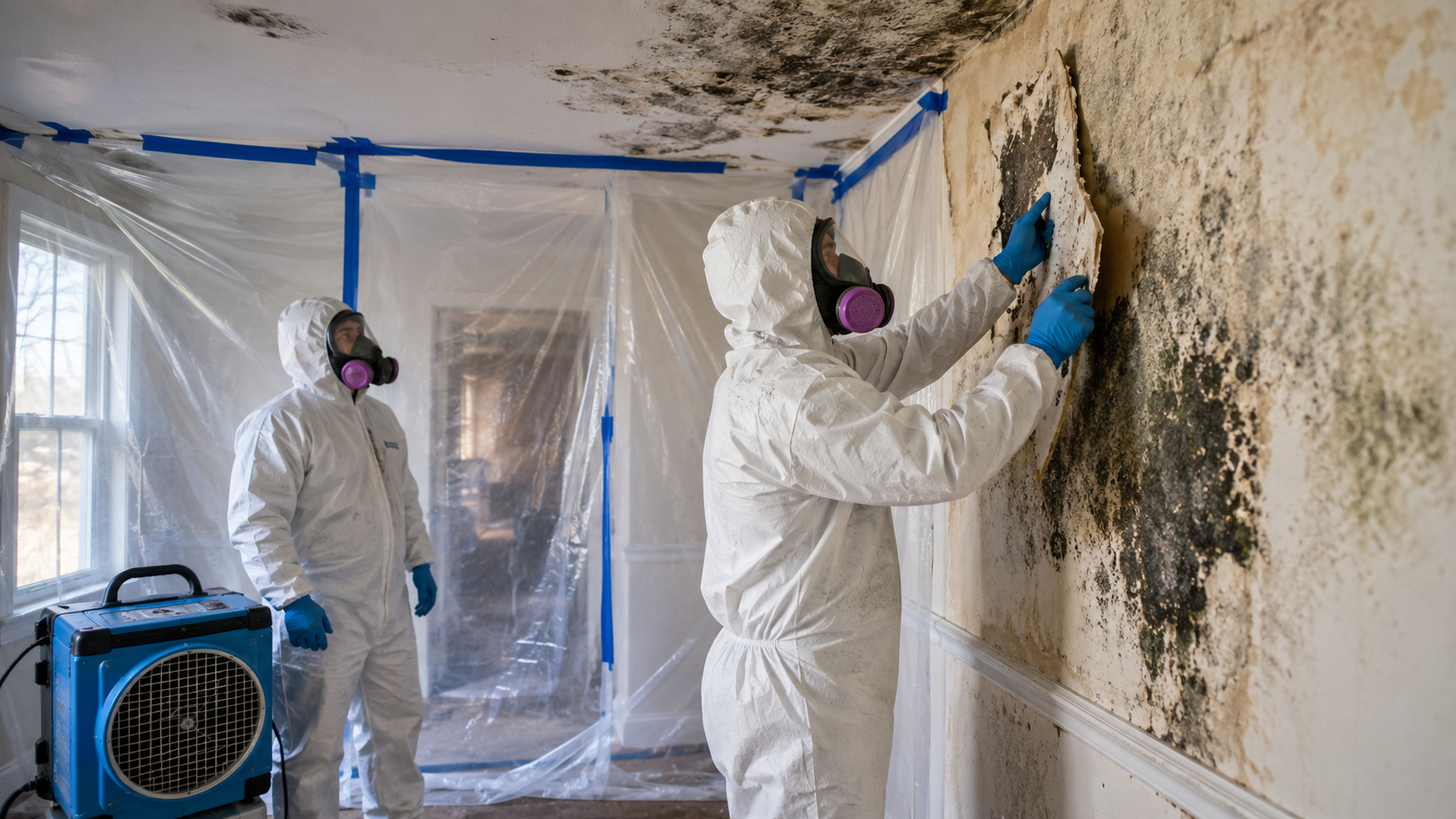
If mold is discovered, removing the visible growth alone is not enough.
The source of the moisture must also be addressed.
Elite Restoration New Hampshire provides professional mold removal and remediation along with water restoration services.
Document Storm Damage Before Cleanup Changes the Property
If conditions are safe, take photographs before substantial cleanup begins.
Document both exterior and interior damage.
Useful photos may include:
- Damaged roofing
- Fallen trees or branches
- Standing water
- Ceiling stains
- Wet drywall
- Flooring damage
- Damaged contents
Keep copies of:
- Contractor estimates
- Restoration invoices
- Temporary repair receipts
- Insurance correspondence
- Photos and videos
Documentation can be especially useful when filing a property insurance claim.
Elite Restoration New Hampshire states that it offers direct insurance billing and assists customers with damage documentation.
Don't Assume the Damage Ends at the Roof
Imagine a storm damages several shingles.
The roof repair itself may be relatively straightforward.
But if rain traveled through the opening, the complete restoration project could also involve:
- Wet insulation
- Ceiling repairs
- Drywall replacement
- Painting
- Flooring
- Mold remediation
- Structural drying
This is why storm damage restoration should evaluate the entire property rather than focusing only on what is visible outdoors.
Storm Damage Restoration in Concord, NH
Elite Restoration New Hampshire has a dedicated Concord service page and provides emergency restoration for residential and commercial properties in the area. The company advertises 24/7 response, water and fire restoration, mold removal, reconstruction, and IICRC-trained and certified technicians.
If your property has experienced wind damage, roof damage, flooding, or water intrusion after severe weather, quick action can help reduce the amount of secondary damage.
Need Storm Damage Restoration in Concord?
A damaged roof may only be the beginning of a storm-related property loss.
Water can travel into insulation, ceilings, walls, flooring, and other hidden materials long before the damage becomes obvious.
For professional storm damage restoration in Concord, NH, contact Elite Restoration New Hampshire for emergency water removal, structural drying, moisture inspection, mold remediation, cleanup, and reconstruction.
Frequently Asked Questions
What should I check after storm damage?
Look for damaged roofing, ceiling stains, wet walls, peeling paint, warped flooring, standing water, and other signs that moisture may have entered the property.
Can storm water travel behind walls?
Yes. Water can travel along framing and other materials before becoming visible, which is why the location of a stain may not identify the original entry point.
Does Elite Restoration New Hampshire serve Concord?
Yes. Elite Restoration New Hampshire has a dedicated Concord service page and provides multiple restoration services in the area.