Mold Removal in Walpole, NH
Mold Removal in Walpole, NH: Why Finding the Moisture Source Is Just as Important as Removing the Mold
Finding mold inside your home can be frustrating.
Your first instinct may be to clean the visible area immediately.
But mold growth is usually a symptom of another problem: excess moisture.
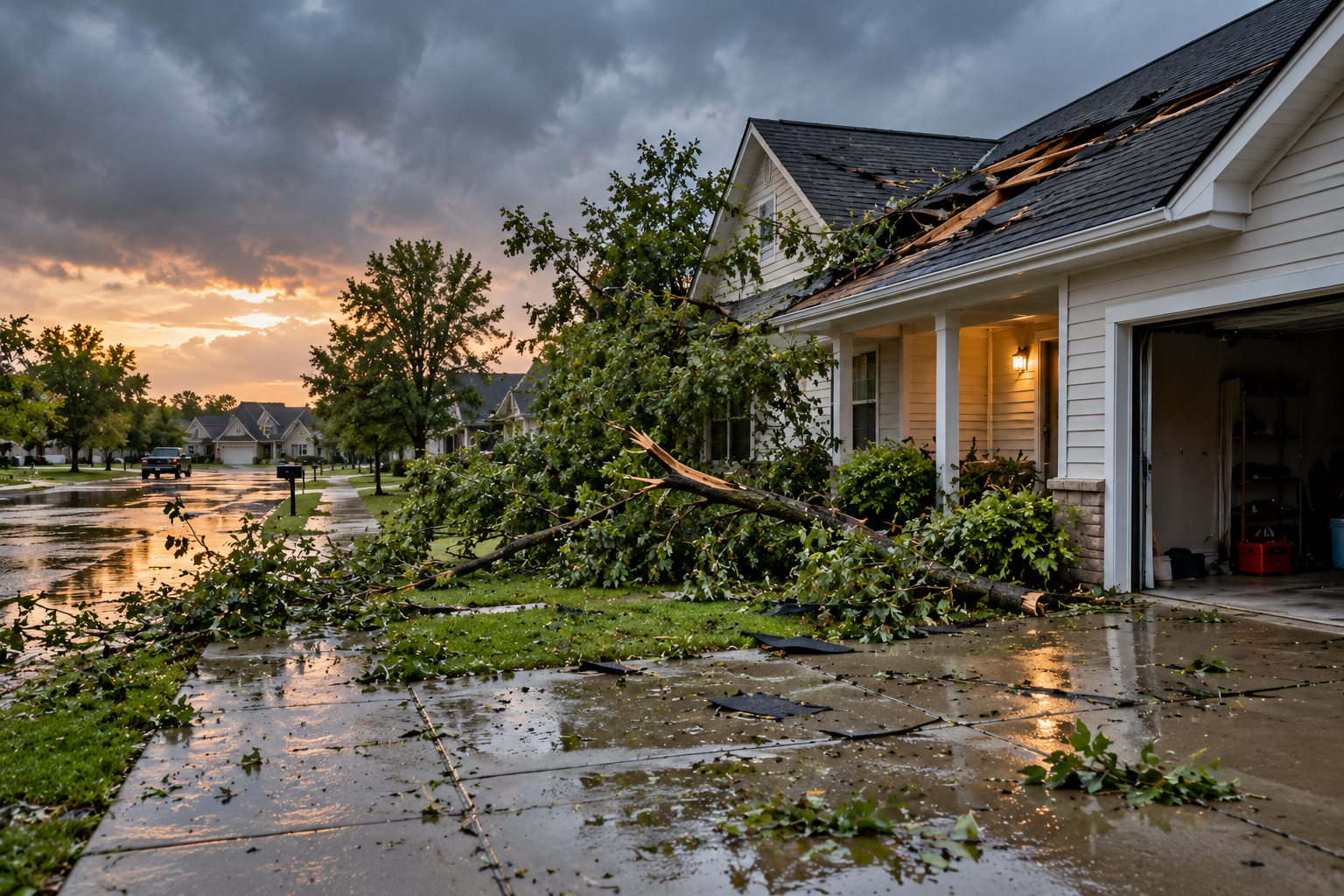
A leaking pipe, damp basement, roof leak, previous flood, condensation issue, or hidden water intrusion can create conditions that allow mold to develop.
For property owners who need mold removal in Walpole, NH, an effective remediation plan should address both the mold and the moisture that allowed it to grow.
Elite Restoration New Hampshire provides professional mold remediation throughout New Hampshire and specifically lists Walpole among its service areas.
Where Does Mold Commonly Develop?
Mold can grow anywhere persistent moisture is present.
Some areas are more vulnerable because they are naturally prone to damp conditions or are less frequently inspected.
Common problem areas include:
- Basements
- Crawlspaces
- Attics
- Bathrooms
- Laundry rooms
- Areas around plumbing
- Under sinks
- Behind drywall
- Under flooring
- Around windows
Elite Restoration New Hampshire notes that mold can develop in basements, attics, crawlspaces, and concealed areas behind walls or beneath flooring.
Why Mold May Be Hidden
A homeowner does not always see mold immediately.
Imagine a pipe develops a slow leak inside a wall.
The finished side of the drywall may initially look normal while moisture accumulates on the other side.
Eventually you might notice:
- A musty smell
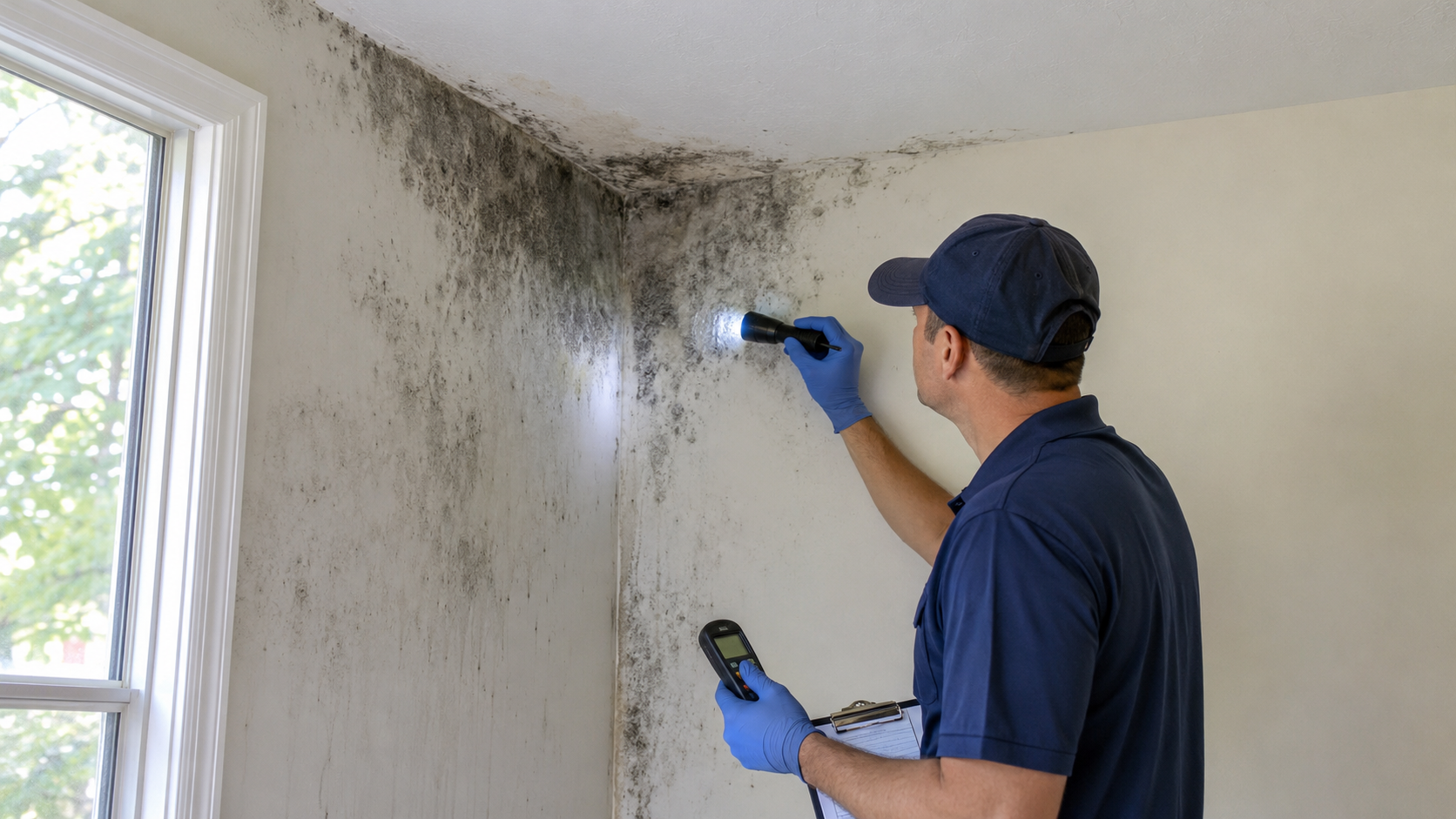
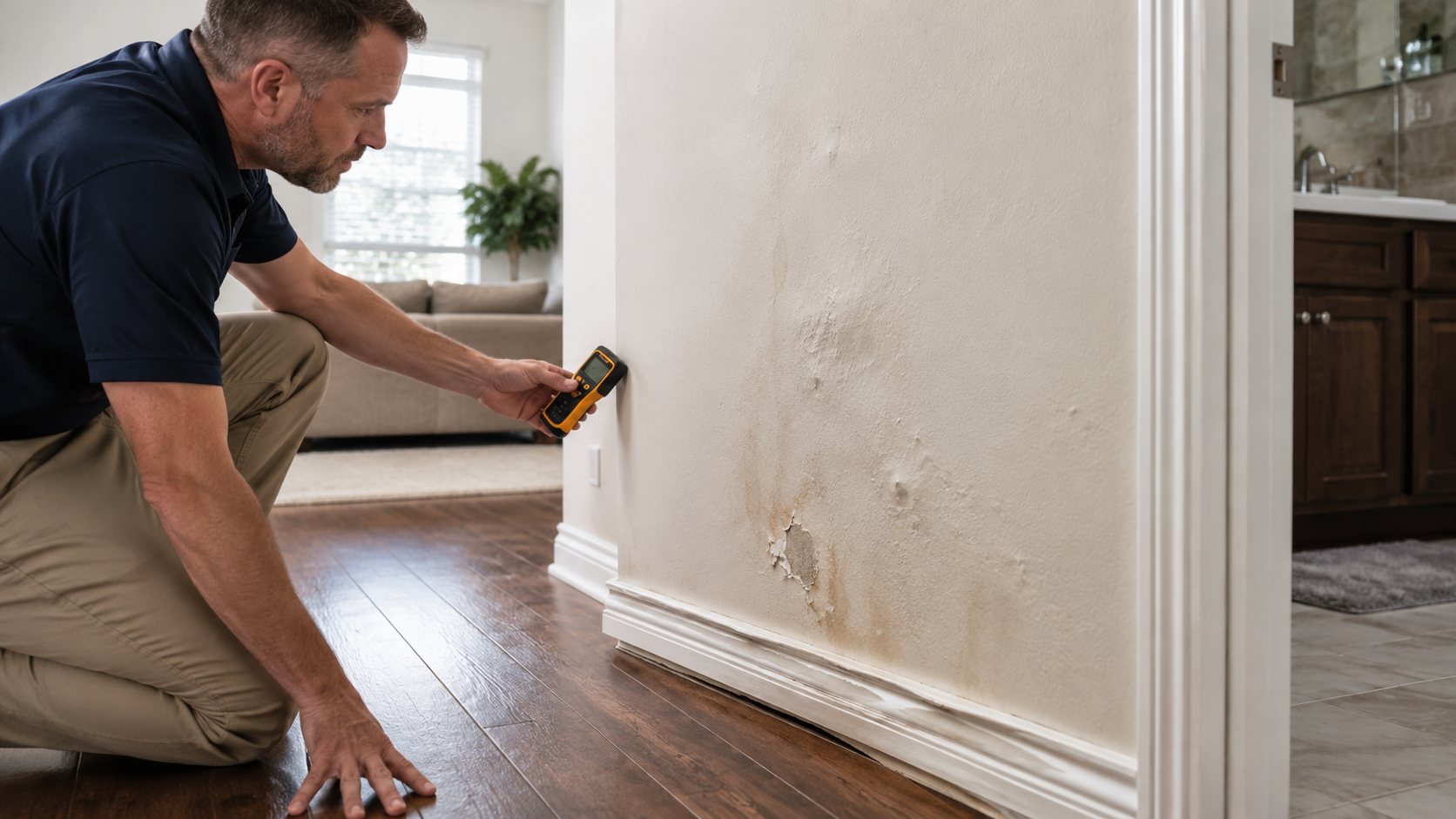
- Wall discoloration
- Bubbling paint
- Swollen trim
- Soft drywall
By the time visible mold appears, the affected area may extend beyond what can be seen from the room.
This is why inspecting the surrounding moisture conditions matters.
Common Moisture Sources Behind Mold Problems
Professional remediation should consider why mold developed in the first place.
Possible sources include:
Plumbing Leaks
Leaks under sinks, behind appliances, or inside walls can remain unnoticed for extended periods.
Roof Leaks
Water entering through roofing materials may affect attics, insulation, ceilings, and wall cavities.
Basement Moisture
Persistent dampness can create favorable conditions for mold growth on walls, framing, stored materials, and finished surfaces.
Previous Water Damage
A previous leak or flood that was not completely dried can leave moisture behind.
Condensation
Areas with excessive moisture and poor airflow may remain damp enough for mold to develop.
Finding and correcting the moisture source is an important part of preventing the same issue from returning.
Signs You May Need Professional Mold Removal
Visible spotting is only one potential warning sign.
Property owners should pay attention to:
- Persistent musty odors
- Black, green, or white discoloration
- Repeated dampness
- Water stains
- Peeling paint
- Previous leaks
- Previously flooded areas
If you suspect mold is behind walls, under flooring, or in another concealed location, avoid unnecessarily disturbing the material.
Professional inspection can help determine the appropriate next step.
Why Painting Over Mold Doesn't Solve the Problem
Covering stained drywall with paint may temporarily improve how the area looks.
It does not remove the contamination or address the moisture source.
If the wall remains damp, the underlying condition may continue.
The same applies to repeated surface cleaning when the affected material extends deeper into drywall, insulation, wood, or other porous materials.
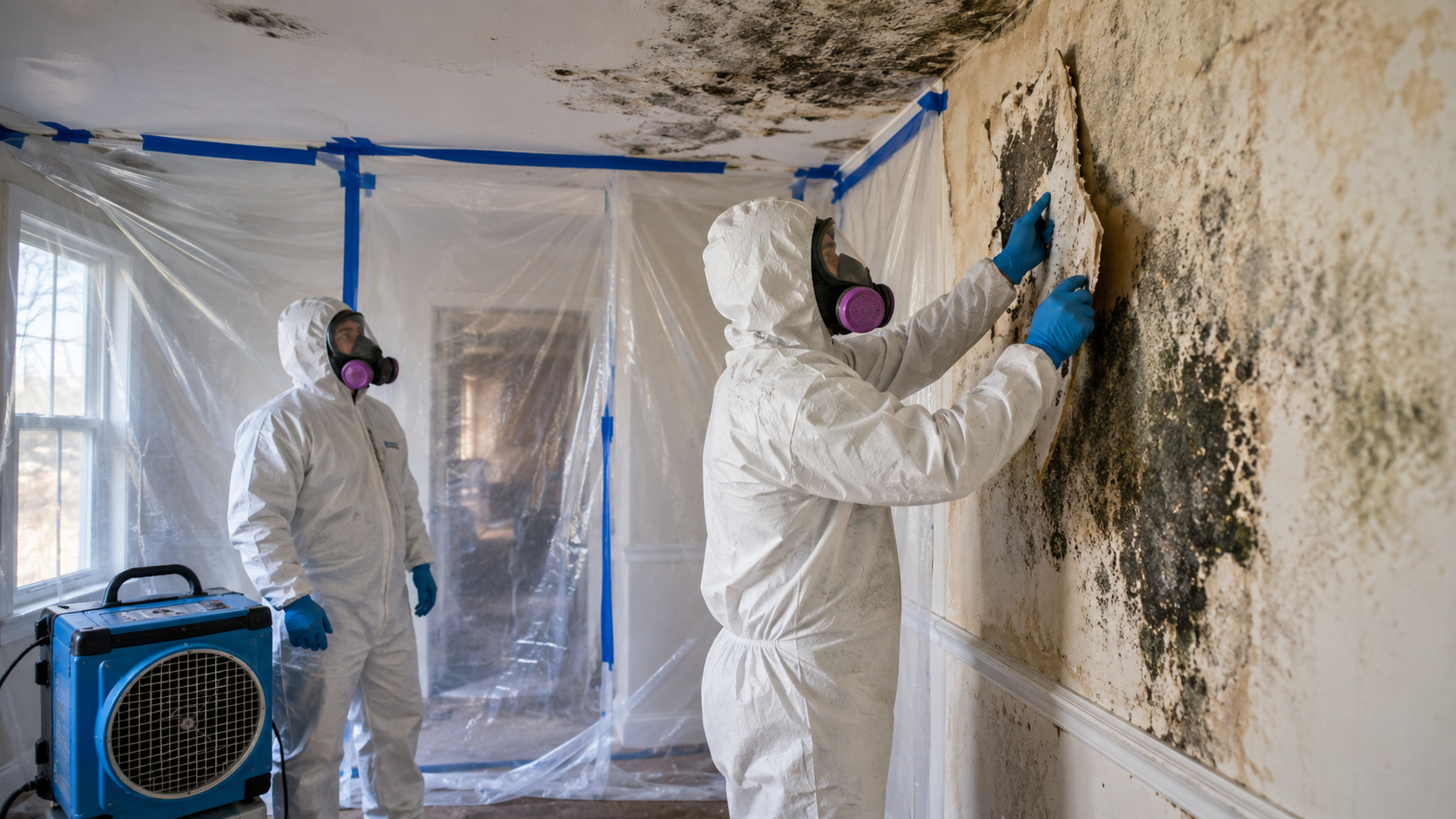
Professional mold remediation focuses on identifying affected areas and addressing contaminated materials appropriately.
What Happens During Professional Mold Remediation?
The exact process depends on the property, but mold removal in Walpole may involve several stages.
1. Inspection
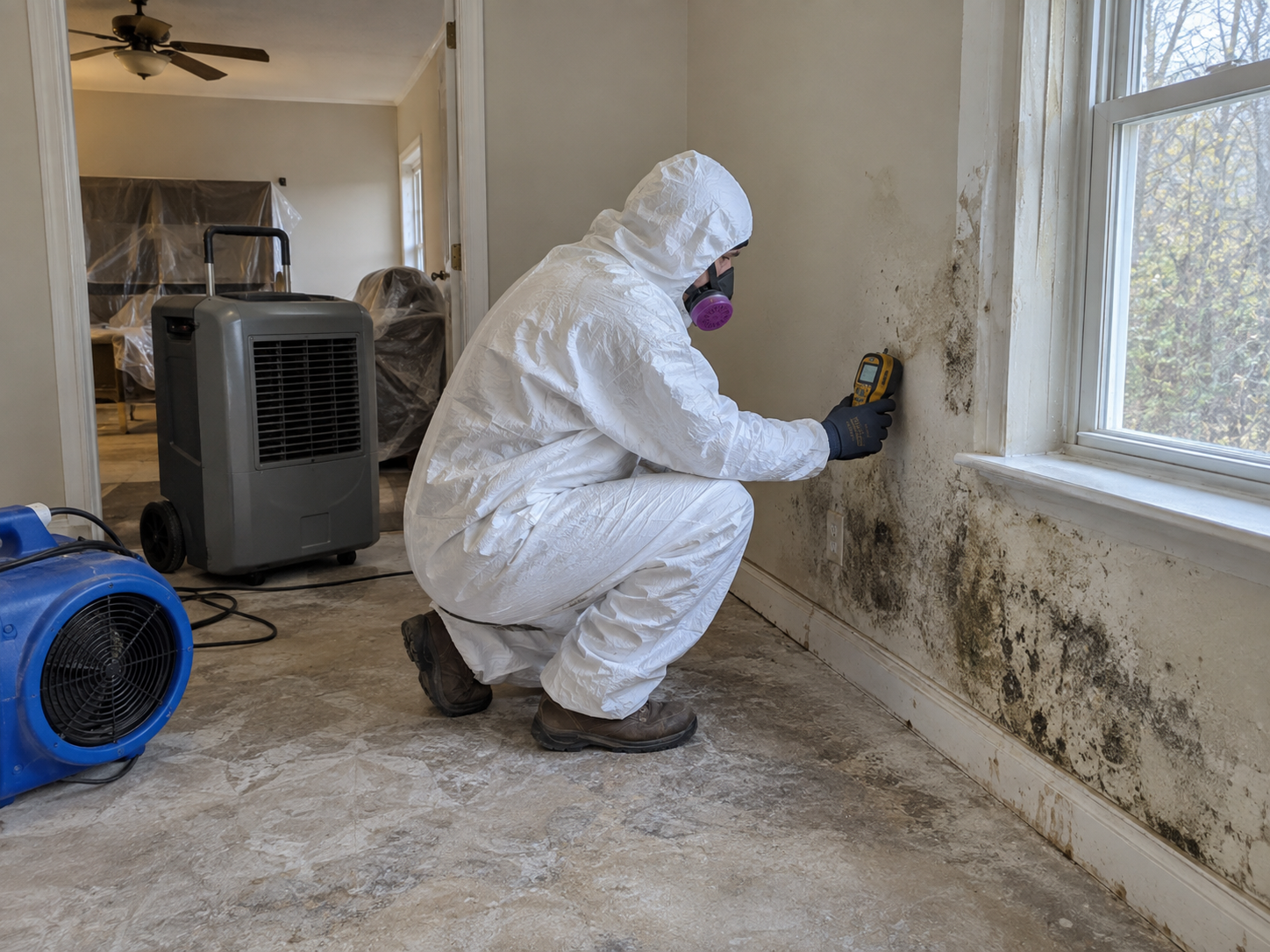
The restoration team evaluates the visible growth and looks for signs of the moisture problem responsible for it.
2. Moisture Evaluation
Areas around the visible damage can be checked for dampness or hidden water intrusion.
3. Containment
Affected areas may be isolated during remediation to limit the movement of dust and mold spores into surrounding areas.
4. Removal of Contaminated Materials
Some significantly affected porous materials may need to be removed rather than simply surface-cleaned.
5. Cleaning
Recoverable surfaces and materials are professionally cleaned.
6. Drying and Moisture Control
The underlying moisture problem must be corrected and affected areas properly dried.
7. Restoration
If drywall, flooring, trim, or other materials were removed, reconstruction may be necessary afterward.
Elite Restoration New Hampshire describes professional mold remediation as including identification of the extent of growth, containment, removal of contaminated materials, cleaning, sanitizing, and moisture control.
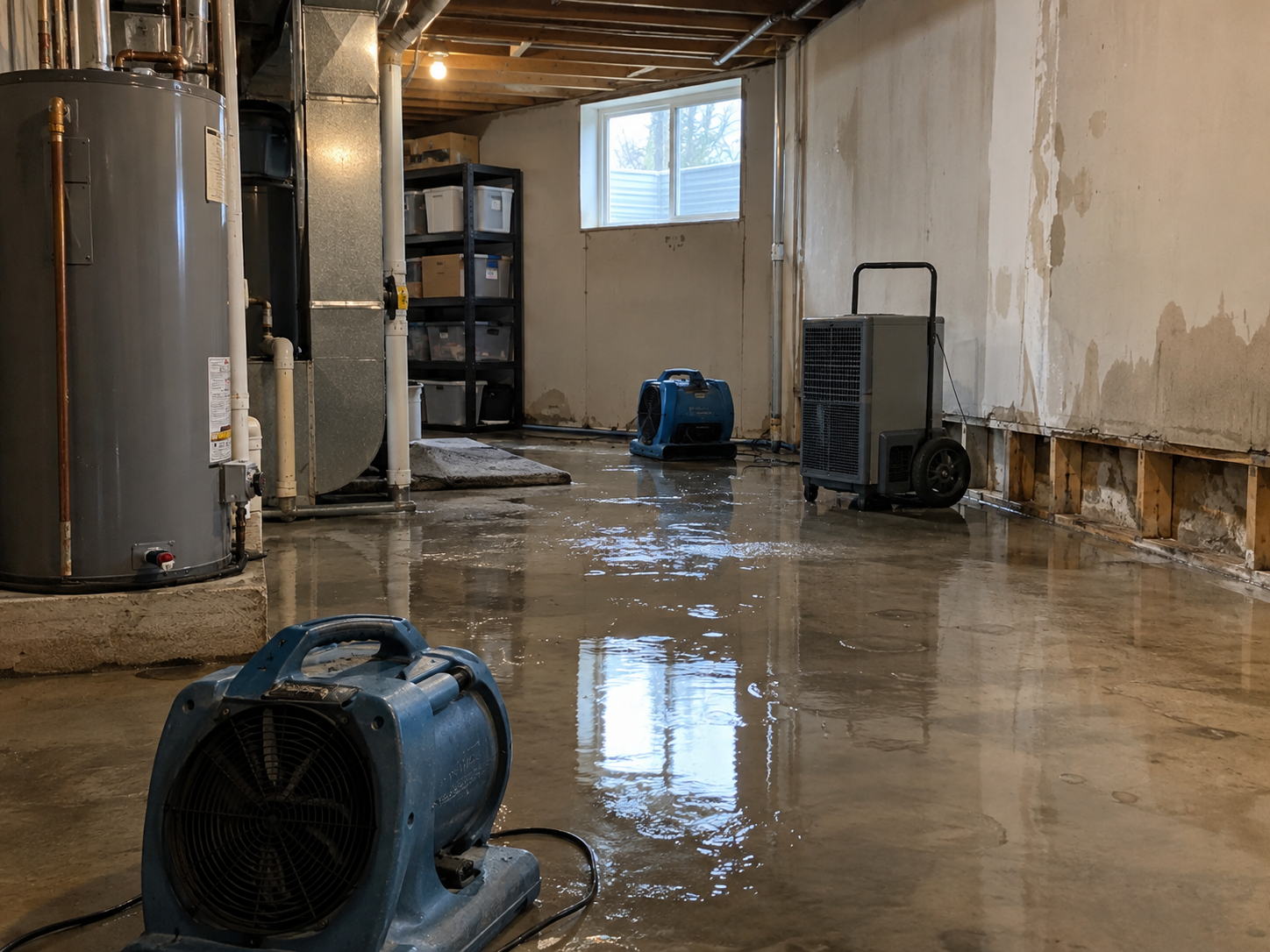
Basement Mold Can Be Easy to Miss
Basements deserve special attention because moisture problems can develop without being immediately obvious.
Homeowners may use portions of a basement primarily for storage and rarely inspect the walls behind boxes, shelves, or furniture.
Look for signs such as:
- Musty smells
- Water stains
- Damp concrete
- Condensation
- Discoloration
- Previous flooding
If you discover mold after basement water damage, both the contamination and the reason the basement remained damp need to be evaluated.
Mold After a Roof or Plumbing Leak
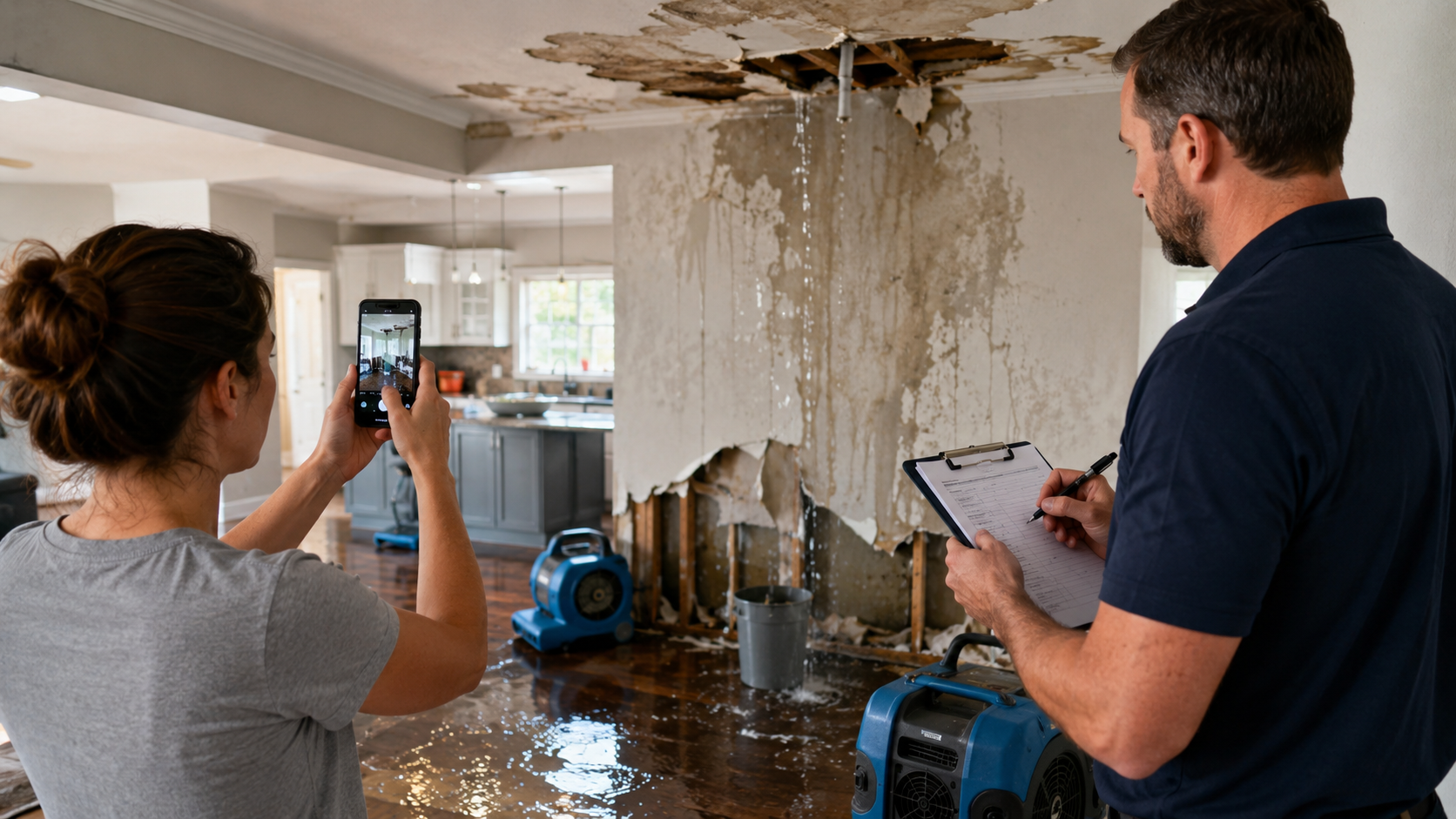
A leak can be repaired while still leaving moisture behind.
For example, replacing a leaking pipe does not automatically dry:
- Wall cavities
- Insulation
- Subflooring
- Cabinets
Similarly, repairing roof shingles does not automatically remove moisture that already reached attic insulation or ceiling materials.
That is why drying should be considered part of the response after significant water intrusion.
Can Mold Return After Removal?
Mold problems are more likely to return if the underlying moisture condition remains.
Removing contaminated materials without correcting a plumbing leak, roof problem, or persistent humidity issue addresses only part of the problem.
Long-term prevention starts by keeping affected areas dry.
Elite Restoration New Hampshire recommends controlling moisture, addressing leaks, improving ventilation where appropriate, and maintaining a dry environment as part of mold prevention.
Mold Removal and Water Damage Restoration Often Overlap
Mold and water restoration frequently involve the same areas.
A property may initially require:
- Water extraction
- Structural drying
- Mold remediation
- Damaged material removal
- Reconstruction
Using a restoration company that handles both moisture problems and mold cleanup can make it easier to address the complete damage rather than treating each condition separately.
Elite Restoration New Hampshire provides water damage restoration, mold remediation, and full reconstruction services.
Professional Mold Removal in Walpole, NH
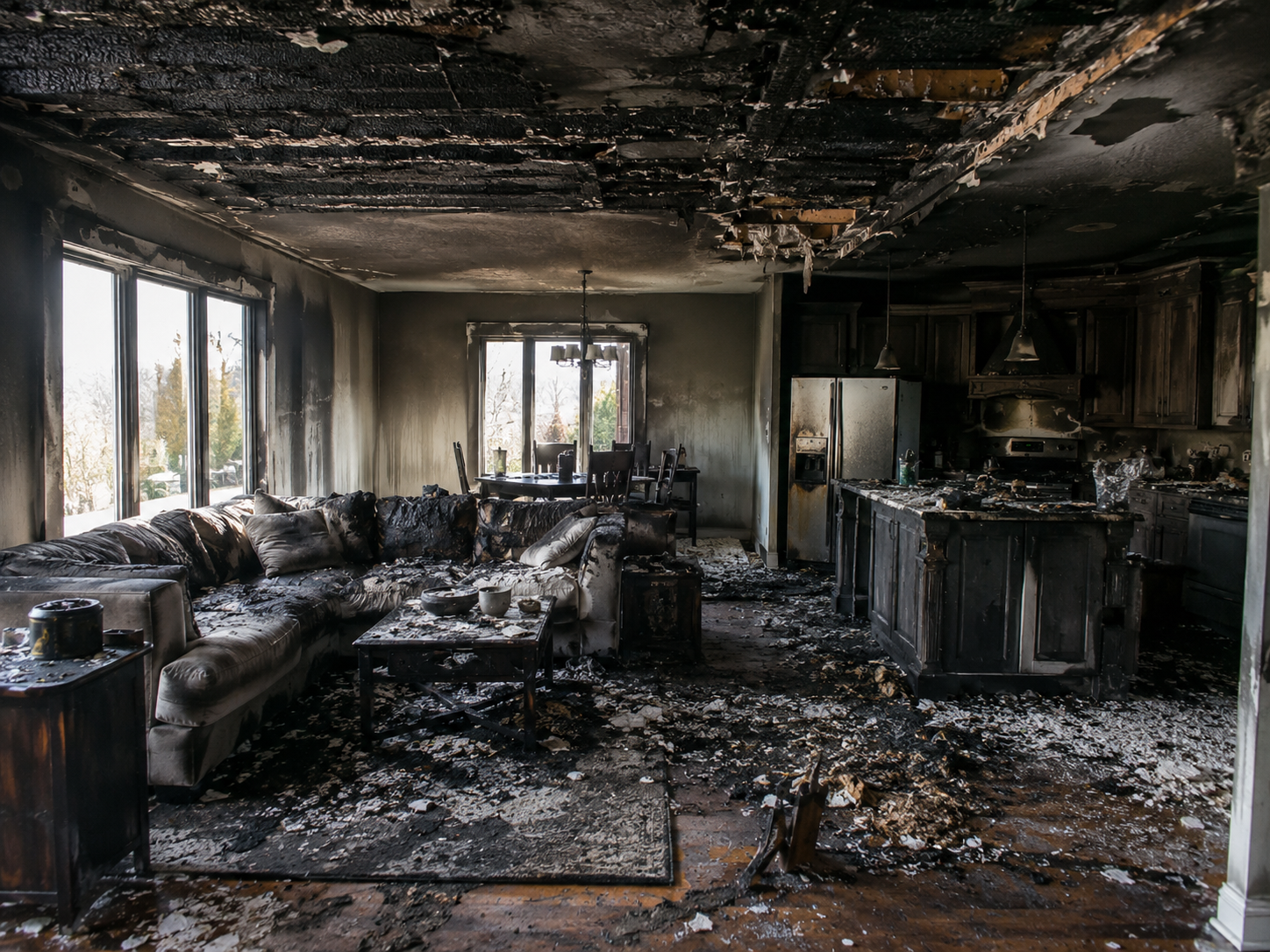
Elite Restoration New Hampshire lists Walpole among the New Hampshire communities it serves and provides mold removal and remediation, water damage restoration, fire and smoke restoration, odor control, and reconstruction.
The company also advertises free mold inspections, moisture inspections with thermal imaging, and IICRC-trained and certified restoration technicians.
If you notice visible mold, unexplained stains, persistent musty odors, or signs of an unresolved moisture problem, professional evaluation can help determine what needs to be addressed.
Need Mold Removal in Walpole?
Mold removal should not focus only on making a stain disappear.
A complete remediation process should determine where the moisture came from, identify the affected materials, properly address the contamination, dry the area, and help reduce the chance that the problem returns.
For professional mold removal in Walpole, NH, contact Elite Restoration New Hampshire for mold inspection, remediation, moisture control, cleanup, and restoration.
Frequently Asked Questions
What are common signs of mold?
Visible discoloration, persistent musty odors, previous water damage, damp surfaces, and recurring moisture problems can indicate that further investigation is needed.
Can mold grow behind drywall?
Yes. Mold can develop in concealed areas when water or moisture is present behind finished surfaces.
Does Elite Restoration New Hampshire provide mold removal in Walpole?
Yes. Walpole is listed among the company's New Hampshire mold remediation service areas.